 The air we breathe indoors profoundly affects our daily health and well-being, yet most people don’t realize that indoor air can be 2-5 times more polluted than the air outside. Dust mites, mold spores, volatile organic compounds (VOCs), and particulate matter quietly accumulate in our homes, creating an invisible threat to respiratory health. The good news? Transforming your indoor environment doesn’t demand expensive renovations or complex systems. Simple steps like maintaining balanced humidity with tools such as a humidifier can prevent mold growth while working alongside other air quality improvements to create a comprehensive approach to cleaner indoor air.
For more on this topic, check out the full Family Home collection
Why Indoor Air Quality Matters
When indoor air quality suffers, our health pays the price. Poor air can trigger everything from respiratory problems and stubborn allergies to chronic fatigue and persistent headaches. Environmental health organizations have consistently documented the connection between contaminated indoor air and both immediate discomfort and serious long-term health complications—with children, elderly individuals, and those with pre-existing conditions bearing the greatest risk.
The culprits lurking in our homes are surprisingly common: dust mites that flourish in bedding and upholstery, pet dander that travels through HVAC systems, VOCs seeping from household products and furniture, mold spores thriving in damp corners, and fine particles generated by cooking and cleaning. Take the Johnson family, whose children’s allergy symptoms dramatically improved after they implemented straightforward air quality improvements—regular vacuuming with HEPA filters and maintaining steady humidity levels. Their experience demonstrates how targeted changes can deliver real, measurable health benefits.
Source Control: Eliminate Pollutants at Their Origin
The smartest approach to better indoor air quality begins with cutting off pollution at its source. When shopping for paints, cleaning products, and furnishings, seek out low-VOC or zero-VOC options. These alternatives significantly reduce chemical emissions that can linger in your home for months after use or installation.
Maintain a strict no-smoking policy indoors, and think twice before lighting candles, incense, or wood-burning fireplaces—all release harmful particles and chemicals into your air. Swap conventional cleaning products for natural alternatives like white vinegar, baking soda, and castile soap. These options clean just as effectively without flooding your home with toxic fumes.
According to the EPA, source control stands as the most cost-effective first step in managing indoor air quality. Watch out for these high-VOC offenders:
- Aerosol sprays and air fresheners
- Scented plug-in devices
- Furniture polish containing petroleum distillates
- Carpet cleaners with synthetic fragrances

Improve Ventilation for Fresher Airflow
Sometimes the simplest solutions work best. Natural ventilation remains one of the most straightforward ways to dilute indoor pollutants. When outdoor air quality allows, open windows for 10-15 minutes daily to create cross-ventilation that sweeps stale air from your living spaces.
Make exhaust fans your allies in kitchens and bathrooms. Use them consistently to remove moisture, odors, and cooking-related pollutants right at their source. These targeted ventilation systems stop humidity buildup that can foster mold growth and bacterial proliferation.
Your HVAC system deserves regular attention too. Change filters routinely—choose MERV-13 or HEPA-rated options that capture smaller particles far more effectively than standard filters. Professional duct cleaning every 3-5 years removes accumulated debris that can harbor allergens and drag down system efficiency.
Key Takeaway: Just 10-15 minutes of daily ventilation can dilute indoor pollutants and naturally refresh your living environment.
Control Humidity to Prevent Mold and Discomfort
The sweet spot for indoor humidity falls between 40-60% relative humidity. This range creates an environment where mold struggles to grow, dust mites can’t reproduce effectively, and bacteria find it hard to proliferate—all while preventing the discomfort that comes with overly dry conditions.
Deploy dehumidifiers in naturally damp spaces like basements and bathrooms, and keep tabs on humidity levels with digital hygrometers placed throughout your home. When humidity climbs above 60%, mold and allergens thrive; drop below 30%, and you’ll face dry skin, irritated airways, and annoying static electricity.
Homeowners in humid climates often discover they can eliminate persistent musty odors simply by monitoring humidity consistently and running dehumidifiers during peak moisture seasons. This single intervention can completely transform indoor comfort.
Incorporate Cleaning and Filtration Routines
Regular cleaning with HEPA-filtered vacuum cleaners captures allergens, pet dander, and fine particles that settle on surfaces and work their way deep into carpeting. Vacuum high-traffic areas twice weekly, and reach for microfiber cloths when dusting—they trap particles much more effectively than traditional materials.
Air purifiers equipped with HEPA and activated carbon filters offer around-the-clock particle removal and odor control. HEPA filters capture an impressive 99.97% of particles 0.3 microns or larger, including pollen, dust mites, and some bacteria. Meanwhile, activated carbon absorbs gaseous pollutants and unwanted odors.
Stay on top of filter replacements according to manufacturer guidelines—typically every 3-6 months for air purifiers and monthly for HVAC systems. This maintenance keeps performance at peak levels and prevents efficiency from declining.
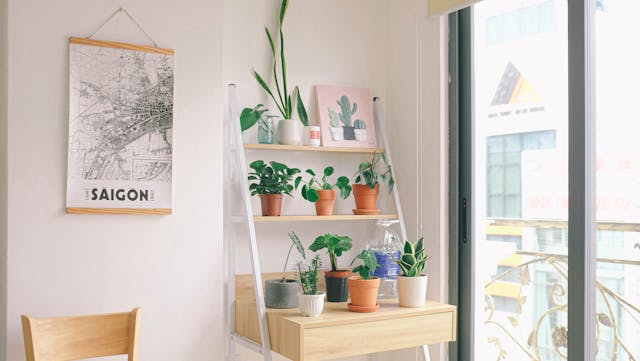
Leverage Nature’s Helpers: Indoor Plants and More
Certain houseplants naturally absorb common indoor toxins while bringing life and beauty to your living spaces. Snake plants, peace lilies, spider plants, and pothos have demonstrated measurable VOC reduction capabilities in controlled studies. While they work best as supplements to mechanical air cleaning methods rather than replacements, their contribution is meaningful.
Begin with 2-3 low-maintenance plants per room, choosing varieties that will thrive in your specific lighting conditions. Though plants provide modest air purification benefits, their greatest value lies in creating a more pleasant, naturally balanced indoor environment that simply feels better.
Monitor and Test for Ongoing Assurance
Indoor air quality monitors deliver real-time data on particle levels, VOCs, carbon dioxide, and humidity, empowering you to make informed decisions about when to boost ventilation or fire up air purifiers. For hidden risks that standard monitors can’t detect—like radon and mold—consider specialized testing kits.
Smoke and carbon monoxide detectors aren’t optional safety measures. Install them, test batteries monthly, and replace units according to manufacturer specifications.
|
Monitor Type |
Key Features |
Ideal Use Case
|
|
Basic Hygrometer |
Humidity/CO2 tracking |
Everyday home monitoring |
|
Advanced IAQ Device |
VOCs, particulates, app integration |
Families with allergies or sensitivities |
Creating Your Clean Air Strategy
These interconnected strategies work together to build a robust defense against indoor air pollution. Consistent small changes add up to lasting health benefits. Source control tackles problems at their origin, proper ventilation dilutes remaining pollutants, humidity control prevents biological growth, regular cleaning removes accumulated particles, and monitoring ensures everything stays on track.
Take a moment to assess your space today—which strategy will you tackle first for cleaner air tomorrow? Track your progress through reduced symptoms, improved air quality readings, or simply by noticing how your indoor environment feels and smells. These personal observations will guide your future air quality decisions and help you create a healthier home environment.
For more on this topic, check out the full Family Home collection