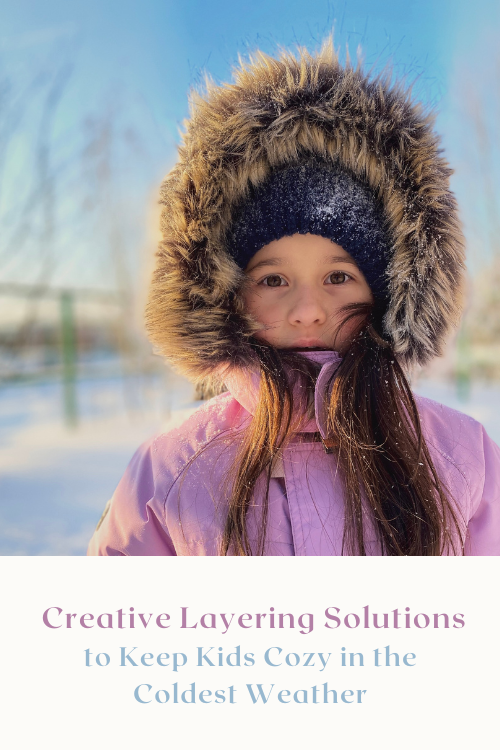
 When the temperature drops, every parent faces the same challenge: keeping kids comfortably warm without restricting their movement or causing overheating. Winter layering is both an art and a science, especially when dealing with energetic toddlers, school-age adventurers, or babies bundled in strollers. With the right combinations of fabrics, fits, and smart accessories, you can create layers that trap warmth, wick moisture, and let kids feel free to explore the snowy season.
For more on this topic, check out the full Winter Activities collection
Understanding the Layering System
Before diving into creative pairing ideas, it helps to understand the foundation of effective cold-weather layering. There are three main layers to consider:
- Base layer: This is the moisture-wicking layer that keeps sweat off the skin. Think thermal tops, long johns, or snug merino wool sets.
- Middle layer: The insulating layer retains body heat. Fleece, down, or wool sweaters typically work best here.
- Outer layer: Your weatherproof barrier—usually a waterproof jacket or snowsuit designed to block wind, rain, and snow.
Each layer has a functional role. When chosen correctly, they work together like insulation and ventilation in a well-designed house: keeping warmth in, moisture out, and comfort steady all day.
Base Layers: Warm Starts from Within
Base layers should feel soft and smooth directly on the skin. Synthetics and merino wool are ideal since they draw moisture away and dry quickly. Avoid cotton, which holds onto dampness and can lead to chills.
For active kids, tight yet stretchy fabric works best—it prevents bunching under other clothing. Look for seamless designs that reduce irritation, especially for sensory-sensitive children. A matching top-and-bottom thermal set in fun colors can also make morning dressing more exciting.
Building the Insulating Middle Layer
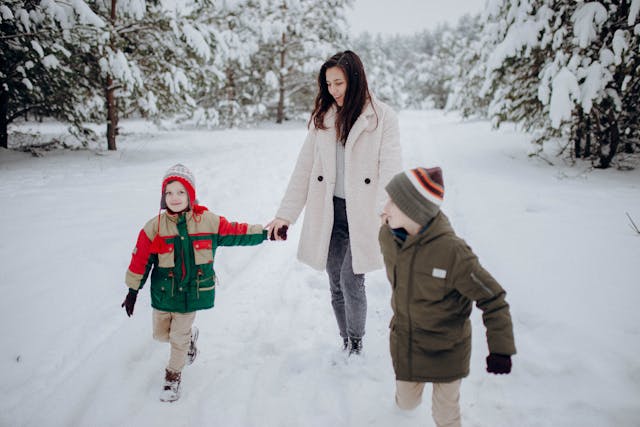
The middle layer creates the warmth barrier. Fleece jackets, wool pullovers, and lightweight down vests are great options depending on the day’s weather. For icy regions, a combination of thin fleece and a puffer vest offers warmth and flexibility.
Choose compression-fit fleeces or half-zip styles for easy temperature adjustment. Vests also let arms move freely for outdoor play or winter sports. If your child will spend extended time outside, avoid bulky fits—look for lightweight modern insulation materials labeled with high warmth-to-weight ratios.
Outer Layers: Defense Against the Elements
The final layer protects against wind, snow, and freezing rain. For toddlers and preschoolers who crawl, fall, and roll in the snow, consider full-coverage snowsuits. School-aged kids may prefer a longer insulated parka paired with snow pants.
Waterproofing and wind resistance matter most here. Check for reinforced seams, adjustable cuffs, and hoods that fit comfortably over hats. Breathable coatings like GORE-TEX or durable water-repellent (DWR) finishes strike a balance between staying dry and preventing sweat buildup.
Accessory Layering: Tiny Details, Big Impact
Small accessories often make the biggest difference in comfort. Start with quality socks, mittens, and headgear—these are the areas that lose heat the fastest. For feet, layered thermal socks keep feet dry and warm without making boots feel tight. If you want a brand known for both fun patterns and reliable comfort, Little Stocking Co socks and tights offer cozy styles kids actually love to wear.
For hands, insulated mittens with wrist straps are warmer than gloves because they let fingers share heat. Consider glove liners for frigid days, especially during snow play. Neck gaiters and balaclavas also outperform loose scarves for younger children, as they stay secure and provide full coverage.
Smart Layering Strategies for Different Activities
The trickiest part of layering is adjusting warmth for activity level. Kids warm up quickly when sledding or shoveling, but can get chilled again during slower moments or car rides. Here are strategic layering examples to help balance both comfort and safety:
- For playground play: Thermal base + light fleece + insulated waterproof jacket.
- For snow days: Wool base + down mid-layer + full snowsuit + fleece-lined accessories.
- For hikes or walks: Breathable synthetic base + fleece vest + softshell jacket for flexible movement.
Always check wrists, necks, and backs for signs of overheating (sweat) or chilling (cool skin). Zip layers open or shed one when needed. Teaching kids to understand these cues helps them build independence in managing their comfort.
Baby and Toddler Layering Tips
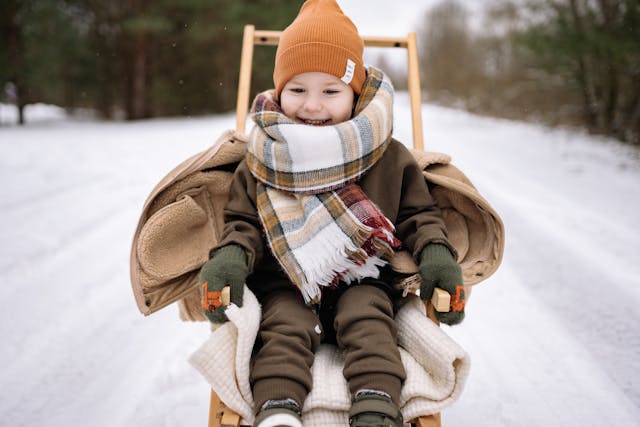
Infants and toddlers can’t regulate body heat as well as older children, so they often need an extra layer than adults do. A simple rule: if you’re comfortable in two layers, your baby needs three. Look for convertible bunting bags for stroller rides—they trap air efficiently without restricting movement. When going in and out of stores or cars, remove one layer to prevent sweating. Dampness is a greater enemy than cold because it accelerates heat loss.
Layering for cold weather doesn’t have to mean bulky bundles or endless wardrobe battles. By combining functional fabrics, practical fits, and creative accessorizing, you can keep kids snug, dry, and free to play through the chill. A thoughtful layering system adapts to every environment—from a frosty school morning to a weekend sledding hill.
Whether it’s building a snowman or running to the bus stop, the right balance of layers gives kids warmth that lasts as long as their winter adventures do.
For more on this topic, check out the full Winter Activities collection