 Road trips with kids bring fun, but unexpected vehicle troubles quickly ruin the mood. Flat tires, dead batteries, and engine stalls happen when least expected. Planning ahead keeps everyone safe and minimizes stress during long drives.
For more on this topic, check out the full Travel Tips collection
Packing The Right Survival Essentials
Packing a dedicated emergency kit serves as the first line of defense for family travel. Basic supplies like reflective triangles, flashlights, and high-visibility vests form the core of a safe setup. Storing one gallon of water per person for 24 hours protects passengers during long roadside waits. Parents want to pack extra snacks, blankets, and baby wipes to keep their children calm.
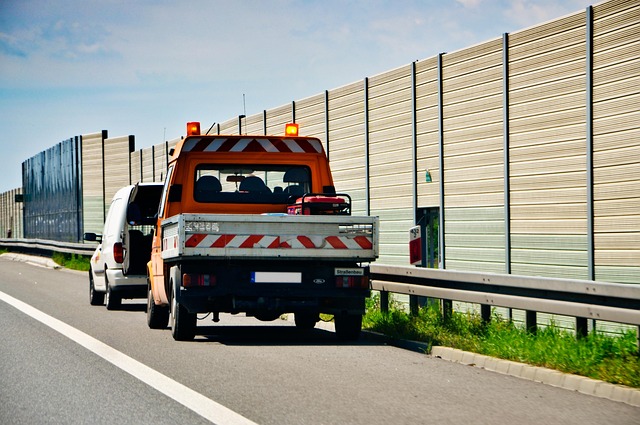
Long highway journeys through unfamiliar areas require reliable backup options. Smart drivers should book a tow truck in advance when planning long regional trips with full loads. Having contacts ready before setting off eliminates frantic searching during stressful moments.
Carrying basic tools helps drivers address minor mechanical issues. A sturdy tire iron, a functioning jack, and tire sealant belong in every trunk. Stash small tools in a compact tote bag so they remain easy to reach without digging under heavy luggage.
Staying Visible And Managing Breakdown Safety
Stopping on a busy road creates dangerous hazards for passing traffic. Safety guidelines suggest placing warning triangles 50 meters behind the vehicle on single carriageways and 100 meters on expressways. Remaining clearly visible prevents secondary accidents after sunset.
When breakdown symptoms appear on high-speed routes, drive off the main lanes. Pulling off at the nearest freeway exit minimizes exposure to fast cars. Turning on hazard lights immediately alerts drivers behind you to slow down.
Passengers should exit through the doors facing away from traffic whenever possible. Moving family members behind guardrails or up onto elevated embankments offers maximum safety during the wait for aid.
Maintaining Communication And Battery Health
Emergency calls, navigation tools, and weather updates require active cellular service. Keeping portable power banks in the glove box prevents dead phone batteries.
Regular vehicle checkups prevent common issues before setting off on vacation. Over 27 million assistance calls happened in a year, with 13 million for towing and 7 million for dead batteries. Testing equipment every 3 months keeps emergency items functional:
- Check flashlight batteries and recharge portable jump starters every quarter
- Inspect spare tire pressure alongside tire jack tools before long drives
- Replenish first aid supplies and expired medications in the glove compartment
Extreme weather conditions drain car batteries faster than normal driving. Cold morning starts and heavy air conditioning use put extra strain on electrical systems. Battery testing at a local auto shop before departure identifies weak units early.

Keeping Kids Comfortable During Delays
Stranded vehicles test the patience of young passengers. Packing simple entertainment options like coloring books, travel games, and audiobooks keeps kids occupied. Maintaining a calm environment helps drivers handle vehicle logistics.
Temperature control inside a stationary car becomes challenging quickly. Storing extra window shades and battery-powered fans guards against extreme heat. Cold weather demands thermal blankets and extra layers stored in the trunk.
Hunger and thirst quickly turn minor delays into stressful family meltdowns. Non-perishable items like granola bars, dried fruit, and crackers store well in car organizers. Keeping mess-free options readily available keeps young passengers content during extended waits.
Conclusion
Preparation transforms potentially scary breakdown situations into simple bumps in the road. Taking time to organize safety equipment and plan recovery options gives parents peace of mind. A little readiness lets families focus on enjoying the journey together.
For more on this topic, check out the full Travel Tips collection