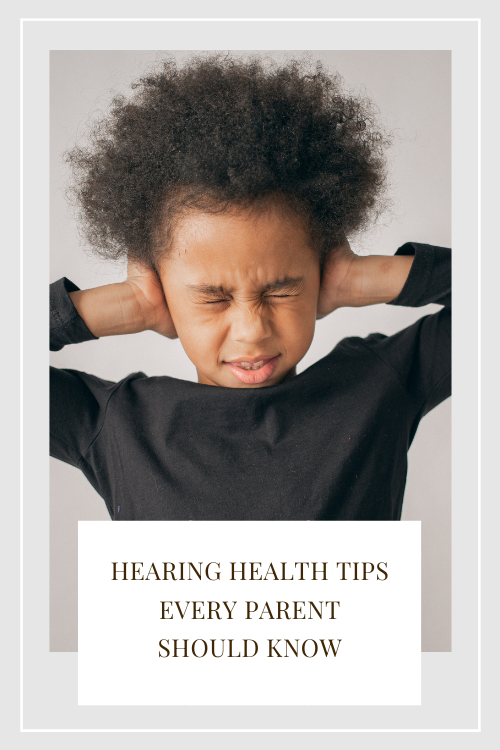
 Protecting a child’s health involves many steps, from scheduling vaccinations to packing nutritious lunches. One area that frequently slips under the radar is auditory wellness.
Developing ears are highly sensitive, and early habits shape how well a person hears for the rest of their life. Taking small, proactive steps today protects young ears from preventable long-term damage.
For more on this topic, check out the full Staying Healthy collection
The Reality Of Childhood Noise Exposure
Children encounter loud sounds daily, from noisy classrooms to modern electronic toys. A child’s hearing system is more vulnerable to damage than an adult’s system. Prolonged exposure to loud environments can trigger subtle changes in auditory clarity that persist for years.
Many families rely on professional advice to monitor early auditory milestones. Booking an appointment with Owl Hearing or another full-service hearing clinic allows parents to get a professional baseline assessment. Regular expert checks help catch hidden issues before they impact school performance or social growth.
Implementing Safe Listening Rules
Headphones are a staple for modern entertainment, remote learning, and long car rides. A South African health publication suggests the 60/60 rule or listening at no more than 60% of maximum volume for no longer than 60 minutes at a time. This basic guideline creates a healthy boundary for personal audio devices.
Parents can take practical steps to manage daily headphone usage. Implementing simple tech controls makes a significant difference.
- Set device volume limits to prevent accidental volume spikes.
- Encourage regular screen-free breaks to rest the auditory nerves.
- Use over-ear headphones instead of tight earbuds to distribute acoustic pressure.
- Monitor the surrounding room noise to control volume levels.

Recognizing The Hidden Early Signs Of Hearing Loss
Hearing issues do not always manifest as complete silence. Often, the signs are subtle and easily mistaken for standard behavioral phases or academic fatigue. Parents must stay observant during daily interactions to catch these shifts early.
Children might not realize they are missing out on sounds. They might simply compensate by turning up the television or leaning closer to the speakers. Tracking these small adjustments helps identify potential issues before they worsen.
Behavioral Clues During Daily Interactions
Parents should watch how their children respond to everyday household sounds. If a child regularly ignores spoken commands, it might not be simple defiance. The child might genuinely struggle to isolate speech from background noise.
Frequent requests for people to repeat themselves deserve a closer look. Children who frequently say words like “what” or “huh” require attention. Monitoring these conversations provides excellent insight into their auditory health.
Classroom Difficulties And Academic Impact
Teachers often notice auditory issues before parents notice them at home. A child who struggles to hear the teacher might act out, withdraw from group activities, or show a sudden drop in grades. Misbehavior in class is sometimes just frustration from missing instructions.
Academic success depends heavily on clear communication. When a student misses key details during lessons, learning gaps form quickly. Addressing these issues early prevents long-term educational setbacks.
Managing Ear Infections Correctly
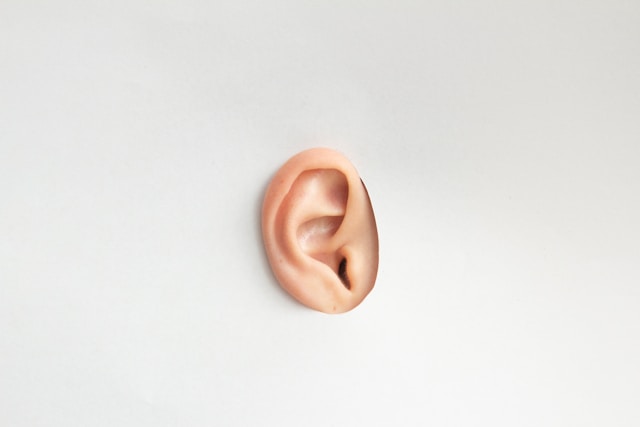
Ear infections are common during early childhood development. Frequent fluid buildup behind the eardrum can lead to complications if left untreated. Protecting the delicate structures inside the ear requires prompt medical guidance.
Ignoring chronic earaches can cause lasting harm. Persistent fluid blocks sound waves and delays speech development in toddlers. Consistent medical checkups keep these common childhood ailments under control.
Simple Tips For Safe Ear Cleaning
It is natural to want to keep a child’s ears clean, but improper techniques do more harm than good. Cotton swabs can push wax deeper into the canal, causing painful blockages or eardrum punctures. The ear canal is entirely self-cleaning under normal circumstances.
Stick to using a soft, damp washcloth to clean the outer edge of the ear. If wax buildup seems excessive or causes discomfort, consult a pediatrician instead of using home extraction tools. Professional removal is always the safest option.
The Importance Of Routine Auditory Assessments
Many parents assume that a newborn hearing screening is the only test a child needs. As children grow and face new environmental factors, regular checkups remain valuable. An online ear health guide notes that routine ear health check-ups are ideal for monitoring your child’s hearing development and detecting potential issues early.
Regular testing provides peace of mind for growing families. Preparing for these appointments can be simple and stress-free.
- Schedule checks before the start of each school year.
- Discuss any family history of hearing loss with the specialist.
- Track behavioral changes to share during the consultation.
- Ask the audiologist for customized protection recommendations.
Conclusion
Prioritizing auditory wellness gives children a strong foundation for learning, communicating, and connecting with the world. Simple adjustments to daily habits prevent unnecessary strain on developing ears. Keeping a close eye on behavioral changes handles small issues quickly. Consistent protection today builds a lifetime of clear, healthy hearing.
For more on this topic, check out the full Staying Healthy collection