 Toddlers move constantly. They crawl under furniture, run across playgrounds, spill lunch on themselves, and somehow cycle through three outfits before noon. Building a comfortable everyday wardrobe for a toddler is about choosing clothes that keep up with how toddlers actually move and live. Get the wardrobe right, and mornings become less of a battle. Get it wrong, and you’ll spend your days peeling off stiff jeans from a child who refuses to sit down.
For more on this topic, check out the full All About Toddlers collection
Why Fabric Is the First Decision You Should Make
Before you even think about color palettes or matching sets, fabric choice shapes everything else. A toddler’s skin is far more sensitive than an adult’s, which means the wrong material can cause irritation, rashes, or ongoing discomfort that a child can’t always put into words, just into meltdowns. Parents who watch for skin reactions tend to reach for organic cotton clothes for kids at Treehouse because these garments skip the chemical finishes and synthetic blends that often trigger skin sensitivities. Organic cotton breathes well, gets softer with every wash, and doesn’t trap heat the way polyester does. Linen blends work for the same reasons in warmer months. What you want to avoid at the base layer are fabrics that pill fast, hold sweat, or use dyes that bleed onto skin. Check the label before buying, and look for certifications like GOTS (Global Organic Textile Standard) or OEKO-TEX, which confirm the textile was actually tested for harmful substances. It takes a few extra seconds. It saves a lot of irritated skin later.
The Problem With Synthetic Blends on Sensitive Skin
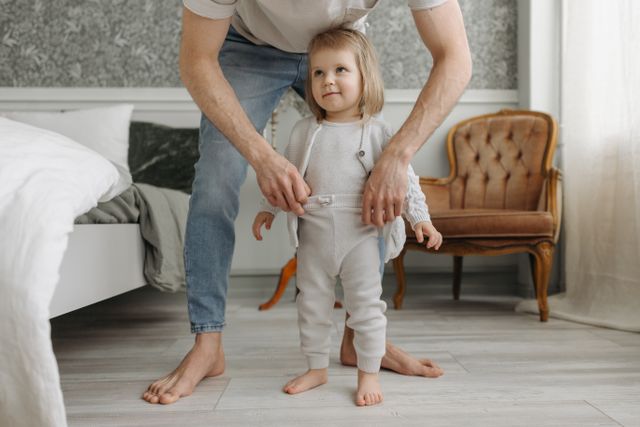
Synthetic fabrics – polyester, nylon, acrylic, and rayon – often feel soft in the store but behave very differently once a toddler starts sweating in them. Polyester doesn’t absorb moisture, so it sits against skin during active play and holds body heat in. Some blended fabrics also get treated with chemical softeners during manufacturing to mimic the feel of natural fibers, and those finishes can wear off fast or cause contact reactions in children with eczema or other sensitivities. Cotton-polyester blends are everywhere on the market and aren’t automatically a problem, but they perform best as outer layers rather than anything worn right against skin. For everyday use, 100% organic cotton or certified linen gives the most predictable, comfortable result. And the durability argument for synthetics doesn’t hold up as well as brands suggest, well-made organic cotton survives dozens of washes without pilling, fading unevenly, or losing its shape. The price is usually a bit higher, but cost-per-wear on quality natural fiber clothing typically beats fast-fashion synthetics across a toddler’s full growth stage.
How to Read a Garment Label Without Getting Lost
Garment labels are small, and the text is dense, but three things matter most when you’re buying toddler clothing. First, fiber content: look for 100% organic cotton, 100% linen, or at minimum a blend where the natural fiber appears first and makes up 60% or more of the total. Second, care instructions: machine washable on a warm or cool cycle keeps laundry manageable; anything dry-clean only is simply impractical for everyday kids’ clothes. Third, certification marks: GOTS, OEKO-TEX Standard 100, and Fair Trade certifications each confirm something different but overlapping: that the material was grown and processed without toxic chemicals, that the finished product was tested for harmful residues, or that workers in the supply chain were paid and treated fairly. You don’t need every certification on every piece, but one credible mark beats any amount of marketing language on a hang tag. Words like “eco-friendly” or “natural” carry no regulated definition and mean nothing without a third-party certification behind them.
How to Choose Pieces That Actually Work Every Day
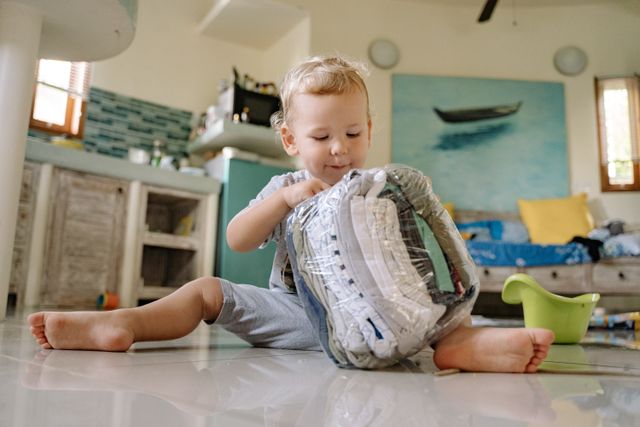
A toddler wardrobe works best when it’s built on pieces that mix, layer, and hold up to repeated wear without much fuss. The goal isn’t a large wardrobe – it’s a functional one. Parents often overbuy in the early toddler years because growth feels unpredictable, but a smaller, well-chosen set of pieces outperforms a crowded drawer every time. Think about what a toddler actually does each day: they play indoors, go outside, eat messy meals, nap, and occasionally get dressed up for something special. Most of those activities call for the same kind of garment – soft waistband, no scratchy internal tags, room to move. Building with that in mind means buying fewer items and using each one more often, which is better for your budget and better for the environment.
The Pieces Worth Investing In
A practical everyday wardrobe for a toddler doesn’t need to be complicated. Focus on these categories:
- Soft-waistband pants or leggings (4 to 6 pairs): elastic or drawstring waists without stiff denim bands make it easier for toddlers to use the bathroom independently, which matters a lot during potty training.
- Simple tops or tees (6 to 8): solid colors or simple patterns give you the most mixing flexibility; avoid tops with large decorative buttons or elements that sit behind a car seat strap.
- A lightweight zip hoodie or pullover (2): layering is the fastest way to handle temperature changes between indoor and outdoor play.
- Overalls or a dress with built-in shorts (2 to 3): these work as complete outfits and don’t require coordination.
- Sleep-specific garments (4 to 5): keep sleepwear separate from daywear so daytime clothes stay in better condition longer.
Most toddlers need 6 to 8 full outfits in rotation at any given size, accounting for laundry cycles. More than that and pieces sit unused; fewer and you’ll find yourself doing laundry every two days.
Fit Features That Make a Real Difference
A few specific construction details separate genuinely comfortable toddler clothing from clothing that only looks comfortable on a hanger. Flat-felled seams – where the seam allowance is folded and stitched flat against the fabric – get rid of the raised ridge that ordinary seams create. That ridge presses against skin during crawling and sitting and can cause real irritation across a full day of wear. Tagless designs, whether printed labels or cut-out labels, remove another common complaint. Nickel-free hardware on snaps and zippers matters for children with metal sensitivities, which are more common in toddlers than most parents expect. Stretchy neck openings make it easier to pull tops over a toddler’s head without a fight, a small detail that cuts out a daily frustration. And adjustable waistbands on pants let one pair fit comfortably across two to three months of growth, getting more use out of each item. These aren’t luxury features. They’re practical ones that show up in the quality of daily life.
Conclusion
Building a comfortable everyday wardrobe for a toddler comes down to three decisions: choose fabric that’s gentle on sensitive skin, buy a focused set of versatile pieces that work across different daily situations, and pay attention to construction details that affect how a garment actually feels during wear. You don’t need a large collection or a strict color system. You need clothes that hold up, feel good, and stay out of the way so your toddler can do what toddlers do. Start with a small, thoughtful foundation, see what gets reached for most, and build from there.
For more on this topic, check out the full All About Toddlers collection