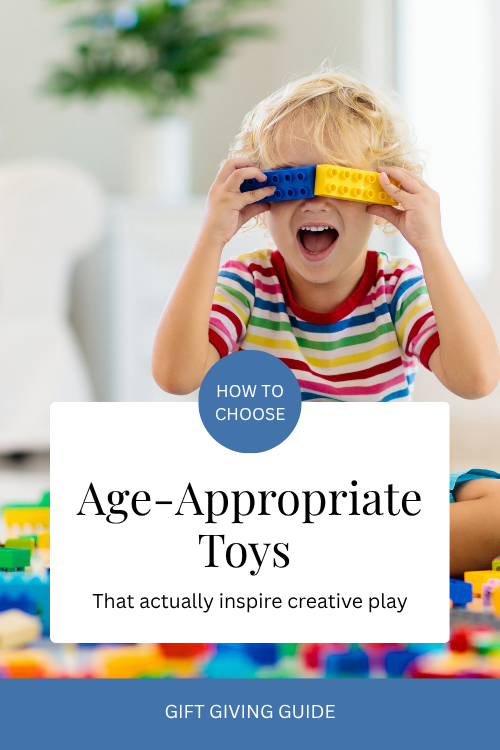
 Step into any toy store, and the sheer noise of it all hits you immediately: flashing lights, giant logos, and walls of colorful plastic promising everything. It’s easy to feel totally lost.
But clearing through that clutter isn’t as complicated as marketers make it out to be. You don’t need the loudest or most expensive gadget on the shelf. The moment you strip away the hype and focus on simple, open-ended pieces that match where your kid is developmentally, the right choices practically highlight themselves. Smart buying gets a whole lot easier when play comes first.
For more on this topic, check out the full Gift Giving collection
Matching Toys to Developmental Stages
Babies and Toddlers (0 to 2 Years)
Children learn through their senses at this age. The best toys are those that can be mouthed, squeezed, held, and touched. Look for simple stacking rings, textured balls, and gentle rattles. These objects promote sensory exploration and hand-eye coordination.
In very young infants, contrasting patterns and vivid colors also promote visual development. Toys that react to movement, like activity boards or push-along walkers, become more interesting as kids get closer to turning one.
Preschoolers (3 to 5 Years)
Pretend play explodes during the preschool years. Children begin to use their imagination in complex ways, creating stories and assigning roles to toys. Simple dress-up sets, toy kitchens, and figurines encourage this kind of symbolic thinking.
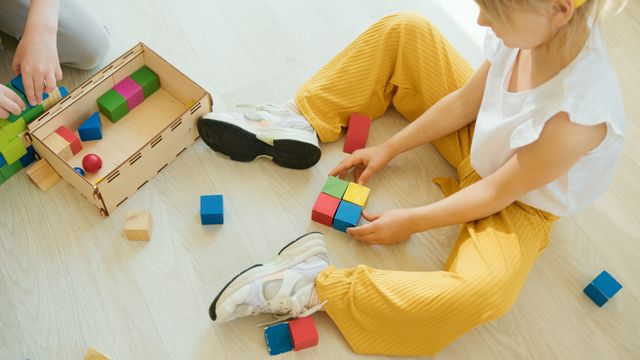
Building toys shine at this age too. Wooden blocks, magnetic tiles, and large construction sets invite children to create, knock down, and rebuild. These materials support spatial reasoning and early math concepts in a completely natural way. Retailers like Mr Toys stock a wide range of options across several developmental stages, making it easier for parents to find toys suited to where their child is right now.
School-Age Children (6 to 12 Years)
Toys with greater complexity and challenge are beneficial for older kids. This is a great place for science experiment sets, strategy games, craft kits, and detailed construction toys. These choices foster tenacity, originality, and self-reliance.
At this age, kids also like toys that let them share their experiences with friends. Along with being enjoyable, cooperative building projects and board games promote social skills and communication.
The Power of Open-Ended Toys
Toys with no predetermined outcome are called open-ended toys. There isn’t just one right way to use them. You can construct a city, a bridge, a castle, or a spaceship out of a set of wooden blocks. Play silks can be made into picnic blankets, rivers, or capes.
This kind of play carries real developmental value. The LEGO Foundation’s research on open-ended, child-directed play links it to creativity, resilience, and emotional control. Over time, children who work with open-ended materials typically become more adept at solving problems.
Look for toys with minimal or no instructions when you go shopping. It is probably a great investment if a child can use it in a variety of ways over several years.
What to Avoid When Choosing Toys
Not every toy slapped with an “educational” label actually lives up to the hype. To avoid buying glorified plastic clutter, here are three major red flags to watch for:
Over-complicated electronics: Toys packed with flashing lights, loud sound effects, and motorized features end up doing all the work. When a toy plays for your child, it leaves zero room for their imagination, leading to quick burnout.
Single-use gimmicks: If a toy has only one trick, kids will master it fast and move on. These tend to wind up forgotten in the back of a closet within days.
Mismatched complexity: Age recommendations are helpful baselines, but every child develops differently. A toy that’s too advanced breeds instant frustration, while one that’s too simple causes immediate boredom. Trust your child’s current focus over the box’s fine print.
Practical Tips for Smarter Toy Shopping
Start by observing what your child gravitates toward naturally. Do they love stacking towers, inventing stories, or getting messy with art? These daily habits are your best cheat code for finding toys that actually hold their attention.
Resist the urge to overbuy. A lean setup of versatile, high-quality pieces sparks far more creative play than a room overflowing with plastic clutter. Research from Zero to Three suggests that too many choices at once can shorten a child’s focus and disrupt deep play.
To keep things fresh, rotate toys every few weeks instead of constantly buying new ones. And when they’re old enough, let them have a say in choosing, it gives them a sense of ownership that makes play far more engaging.
Why Age-Appropriateness Matters More Than You Think
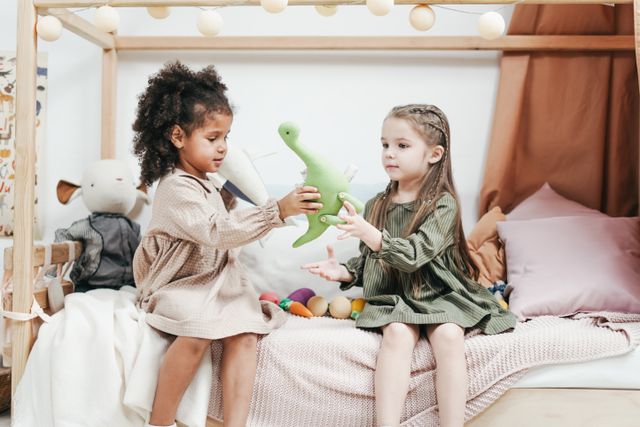
Age guidelines on toy boxes aren’t just legal disclaimer fluff. They reflect a child’s physical abilities, cognitive milestones, and fundamental safety needs at each stage of growth.
More importantly, landing on the right toy at the right moment sparks genuine growth. It sharpens fine motor skills, stretches problem-solving muscles, and gives their imagination room to run wild. In fact, the American Academy of Pediatrics emphasizes that play-based learning is directly tied to healthy brain development.
Getting that match right isn’t about following the box rules to a T, it’s about giving your child the exact right tools to build confidence, stay engaged, and learn at their own natural pace.
Pick Purpose Over Hype
Great play doesn’t require complex gimmicks or endless clutter. By choosing simple, open-ended tools that match where your child is right now, you aren’t just buying another toy, you’re handing them the keys to build confidence, solve problems, and lead their own imagination. Trust their pace, keep it simple, and let them do the heavy lifting.
For more on this topic, check out the full Gift Giving collection