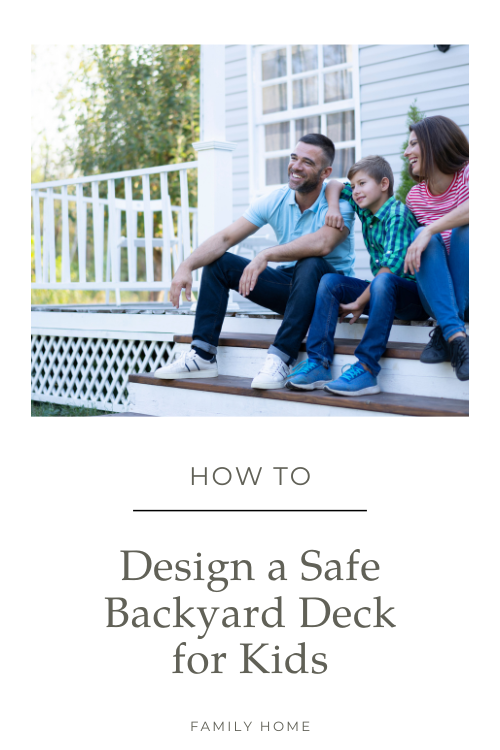
 Building a safe outdoor play space requires careful planning from the very beginning. Parents often focus on backyards, but the elevated surface of a platform requires extra attention. You can create a secure environment where children play freely without constant worry.
For more on this topic, check out the full Family Home collection
Setting Up Guardrails and Structural Barriers
Safety starts with proper containment around the edges of your elevated platform. Small children can easily slip through wider gaps or try to squeeze their heads between posts. Testing the spacing between your vertical posts helps eliminate these entrapment hazards completely. Experts recommend that the spaces between railings or handrails remain less than 4 inches wide.
Horizontal balusters can act like a ladder for curious toddlers who love to climb. Choosing vertical pickets prevents kids from gaining a foothold to scale the top rail. Homeowners frequently hire professional deck builders in Indianapolis or other qualified contractors in their region to build secure structures that comply with local safety requirements. Experienced teams can recommend materials and railing layouts suited to the area’s weather conditions.
If your current setup features horizontal designs, you can add temporary protection. Installing clear perspex sheeting along railing areas stops children from hooking their feet into the gaps. This solution maintains your view while blocking climbing attempts.
Choosing the Best Materials for Bare Feet
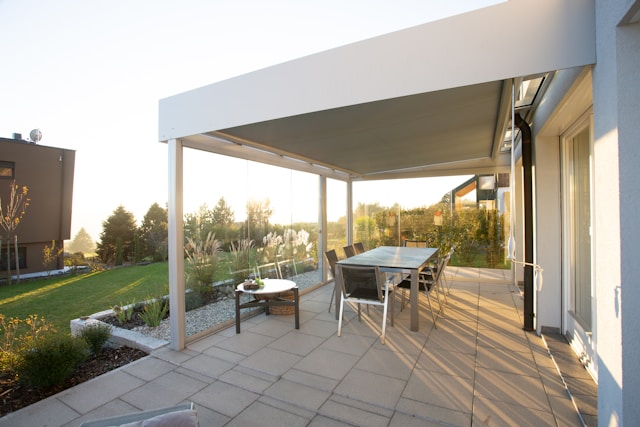
Traditional wood looks classic but presents certain maintenance challenges for family homes. Splinters can quickly ruin an afternoon of outdoor playtime. Natural wood structures require annual sealing or staining to prevent rot, splinters, and weather damage. Skipping this yearly upkeep leads to rough surfaces that cut tiny hands and feet.
Composite alternatives provide a smoother experience that requires far less scrubbing and staining. Many modern composite boards feature specialized textures that prevent slips when shoes are wet. Textured surfaces on composite decking or anti-slip coatings on wood reduce the risk of slips and falls on wet surfaces. This texture helps kids maintain their footing after a sudden rain shower.
Preventing Trips and Falls on Stairways
Stairs represent the highest risk area for bumps and bruises on any elevated platform. Standard steps can feel steep for toddlers who are just learning to balance. Deep steps with low risers make it much easier for short legs to navigate the change in height.
Lighting plays a major role in keeping walkways clear during evening family gatherings. Low-voltage LED lights mounted directly into the stair risers illuminate each step clearly. Riser lights prevent missteps after the sun goes down without blinding guests.
- Install a sturdy gate at the top of the stairs to block unsupervised access.
- Use temporary plastic or retractable gates that remove easily when kids grow up.
- Apply high-contrast grip tape to the edges of steps to improve visibility.
Selecting Smart Furniture Arrangements
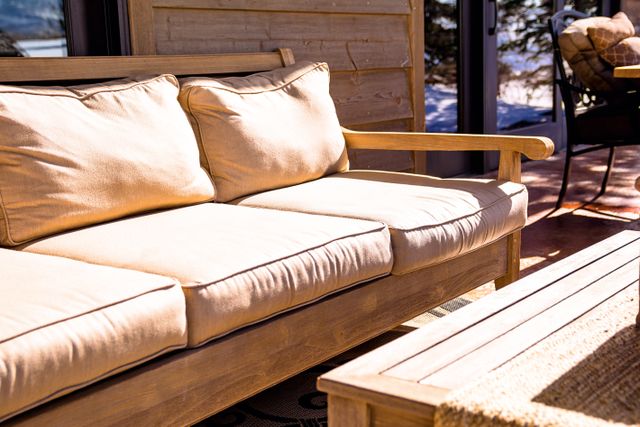
The way you arrange your outdoor tables and chairs affects how kids interact with the perimeter. Children love to push lightweight chairs around to explore new heights. Placing heavy furniture near the center of the platform keeps kids away from the edges.
Moving decorations and seating away from railings prevents children from climbing over the top. A flower pot or a patio chair can become a step stool in a matter of seconds. Keeping a clear buffer zone around the perimeter minimizes these dangerous climbing temptations.
Built-in benches provide safe, stable seating that stays in place and doubles as storage.
These heavy units cannot be pushed against the railings by adventurous toddlers. The added storage also gives you a quick place to tuck away toys at the end of the day. Keeping toys off the floor reduces the chances of someone tripping during a game of tag.
Managing Water Risks and Drainage
Water features add a relaxing element to outdoor areas but require constant supervision. Small pools, ponds, or even deep trays can become hazardous for unsupervised toddlers. Even shallow water features like birdbaths pose drowning risks for young toddlers.
Proper slope and drainage prevent puddles from forming on the walking surface. Stagnant water creates slippery algae patches that cause sudden falls. Slanting the boards slightly allows rainwater to shed toward the yard naturally.
Maintaining a Safe Perimeter and Yard Connection
The zone surrounding your platform needs just as much attention as the structure itself. Falling off a low platform hurts less if the ground below is soft and forgiving. Planting soft grass or spreading thick mulch around the base cushions accidental tumbles.
Avoid placing large rocks, brick borders, or sharp garden tools near the edge of the structure. A child who trips off the lowest step should land on a clear surface. Keeping the immediate perimeter open creates a gentle landing pad.
Conclusion
Designing a secure outdoor space gives your family a place to relax and enjoy the fresh air together. Focusing on stable railings, smooth materials, and smart furniture layouts eliminates the most common backyard hazards. With the right foundation, your children can explore their outdoor world safely while you look on with total peace of mind.
For more on this topic, check out the full Family Home collection