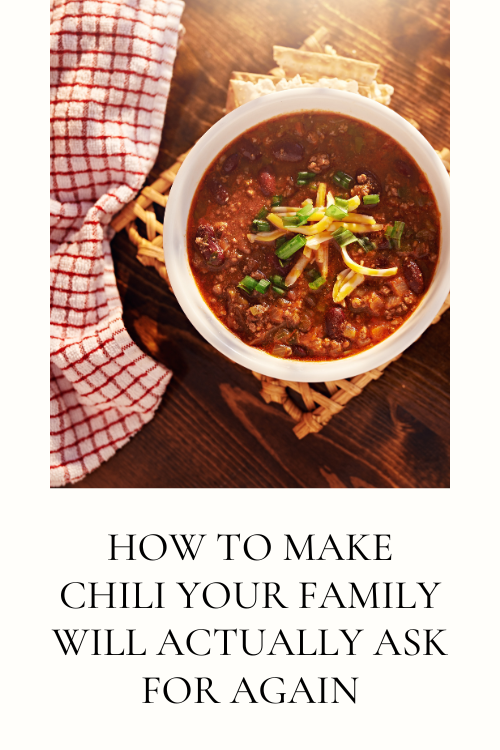
 You probably already know chili can be a lifesaver on a busy weeknight in Texas. It’s filling, flexible, and usually tastes even better the next day. For families juggling school, work, and everything in between, chili also solves the eternal dinner problem without looking like a lazy shortcut. A good pot can stretch across multiple meals, please picky eaters, and still leave room for your own spin on flavor.
For more on this topic, check out the full Recipes collection
Start With the Kind of Chili You Actually Want to Eat
Not all chili is trying to do the same job. Some versions are thick and meaty. Others lean brothy, bean-heavy, or loaded with vegetables. Before you toss ingredients into a pot and hope for the best, decide what kind of bowl you want at the end.
If you like deep, rich flavor with a no-nonsense attitude, a Texas red chili recipe can give you a useful reference point. Texas-style chili usually focuses on beef and dried chiles rather than beans and excess filler. That approach creates a bolder, more concentrated flavor.
You don’t need to become a chili purist. You just need a direction. A pot with a clear identity almost always tastes better than one built on random pantry optimism.
Build Flavor Before the Simmer Even Starts
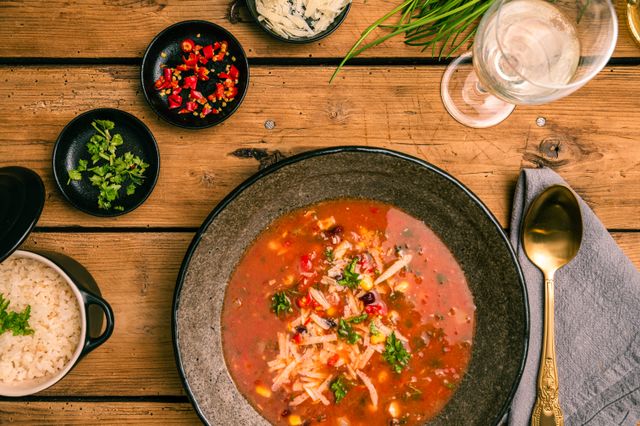
Great chili doesn’t begin when you add the tomatoes or broth. It starts with how you handle the base ingredients. Browning meat properly matters. If you crowd the pan, the beef steams instead of searing, and your chili loses a layer of savory depth before it even gets going.
You’ll also get better results if you cook your onions long enough to soften and sweeten a little. Garlic should go in briefly so it turns fragrant, not bitter. Spices need a short toast in oil or fat to wake up. That step sounds small, but it changes the whole pot.
A few practical upgrades help a lot:
- Brown meat in batches
- Cook onions until translucent and lightly golden
- Bloom chili powder, cumin, and paprika for 30 seconds
- Scrape the browned bits from the pan into the pot
That fond at the bottom is flavor, not kitchen debris wearing a disguise.
Choose Ingredients That Do Real Work
Chili rewards ingredient choices with purpose. Ground beef is convenient, but stew beef or chuck often brings a heartier texture. Crushed tomatoes offer body, while diced tomatoes keep things chunkier. Beans can add fiber and stretch the meal, though some chili fans act like beans are a felony.
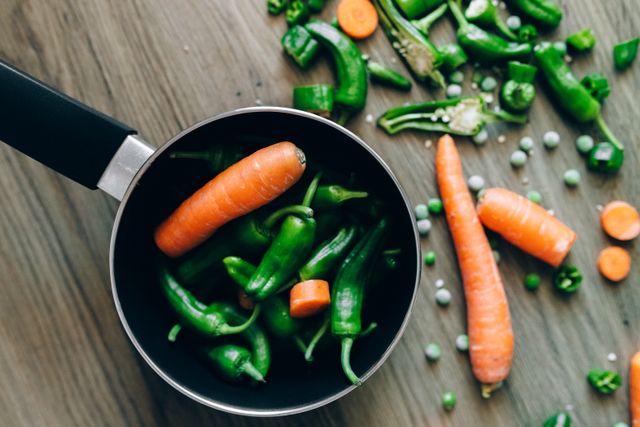
You should also think about heat in layers rather than one dramatic blast. Jalapeños, chipotle, ancho powder, cayenne, and smoked paprika all contribute different things. One adds fresh heat, another adds smoke, another adds slow-building intensity.
Useful ingredients to keep in mind include:
- Beef chuck, ground beef, or turkey
- Onion, garlic, and tomato paste
- Chili powder, cumin, oregano, paprika
- Crushed tomatoes or tomato sauce
- Beans if your family likes them
- Stock, beer, or water for liquid balance
Every ingredient should earn its spot. Chili gets muddy fast when too many flavors compete for attention.
Get the Texture Right, Because Soupy Chili Is Just a Sad Detour
Texture can make a chili feel comforting or disappointing. If it’s too thin, it eats like spicy soup. If it’s too thick, it can taste heavy and flat. You want body, not cement.
The easiest fix is patience. Simmering uncovered helps liquid reduce and flavors concentrate. Stir occasionally so nothing catches at the bottom. If your chili still looks loose near the end, mash a small scoop of beans into the pot or let it cook a little longer.
If it gets too thick, add a splash of stock or water instead of dumping in a random cup of liquid all at once. Tiny adjustments matter.
Look for these signs of good chili texture:
- Meat is tender, not rubbery
- Liquid coats a spoon lightly
- Ingredients stay suspended instead of separating
- Each bite feels substantial without being pasty
A good chili should sit confidently in the bowl, not spread like a crisis.
Make It Work for Kids Without Turning It Bland
Family chili often fails because adults chase heat while kids chase familiarity. You can handle both without making two separate dinners. The trick is building flavor first, then adjusting spice level at the end.
Use aromatic ingredients, mild chili powder, cumin, and tomato for depth. Keep the extreme heat optional with hot sauce, sliced jalapeños, or red pepper flakes on the table. That way, everyone gets the same core meal, and older kids or adults can level it up.
You can also make chili more approachable with toppings. A bowl looks friendlier when people can customize it.
Try topping options like:
- Shredded cheddar
- Sour cream or Greek yogurt
- Crushed tortilla chips
- Diced avocado
- Green onions
- Cornbread on the side
When kids get some control over the final bowl, they’re often far more willing to eat something they claimed looked suspicious five minutes earlier.
Use Leftovers Like You Planned It That Way
One of chili’s best features is that it rarely peaks on day one. After a night in the fridge, the flavors settle in and get friendlier with each other. That means leftovers are not a compromise. They’re part of the strategy.
You can reheat chili for lunch, spoon it over baked potatoes, or turn it into nachos. It also works in taco shells, over rice, or on top of mac and cheese when you need comfort food with absolutely no interest in subtlety.
Smart leftover ideas include:
- Chili dogs for an easy weekend meal
- Chili-stuffed baked potatoes
- Taco salads with reheated chili
- Freezer portions for busy nights
- Quesadillas with chili and cheese
Store it in airtight containers and cool it promptly. Most chili keeps well in the fridge for several days and freezes beautifully, which gives future-you a rare kitchen win.
Avoid the Common Mistakes That Flatten the Flavor
A lot of disappointing chili comes down to a few repeat mistakes. Underseasoning is a big one. Chili needs enough salt to bring all the other ingredients into focus. Another issue is rushing the cook time. Even quick versions need enough simmering for the flavors to come together.
Too much sugar can also throw things off. If your tomatoes taste sharp, use balance carefully rather than trying to turn the pot into dessert with paprika. Acid matters too. A squeeze of lime or a little vinegar near the end can brighten a heavy batch.
Watch out for these common problems:
- Adding all the liquid too early
- Using old spices with weak flavor
- Skipping the browning step
- Overspicing before simmering develops
- Serving immediately without tasting and adjusting
The final tasting matters more than people think. One pinch of salt or splash of acid can rescue a decent chili and push it into repeat-request territory.
Make Chili a Reliable Part of Your Meal Rotation
Chili earns its keep because it fits real life. You can make it in a Dutch oven, slow cooker, or pressure cooker. You can stretch it for a crowd or scale it down for a quieter week. It handles substitutions better than many meals, which helps when your fridge looks a little chaotic.
Once you understand the basics, you stop relying on luck. You start recognizing how spice, texture, heat, and richness work together. That confidence makes homemade chili less of a project and more of a dependable go-to.
If you want one meal that can be cozy, practical, budget-aware, and still satisfying enough to serve guests, chili belongs high on your list. One solid pot can carry dinner, lunch, and your reputation with surprisingly little drama.
For more on this topic, check out the full Recipes collection