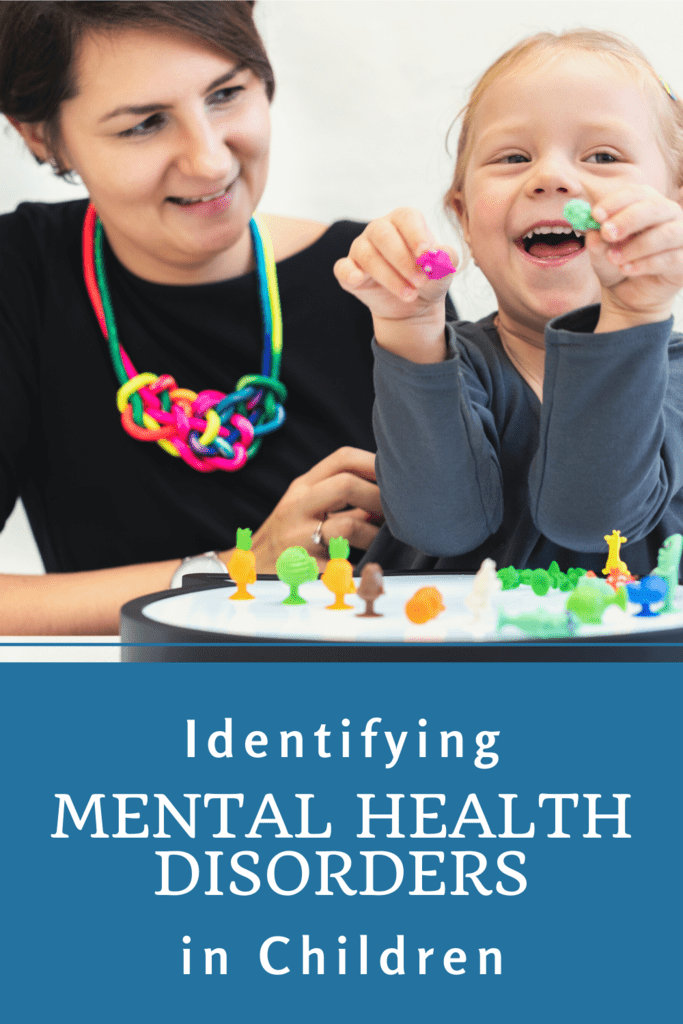
When I worked for a mental health non-profit, I loved working with the little kids. I often had the opportunity to work one-on-one with children as young as three years old who were displaying concerning symptoms. However, it was incredibly rewarding to watch their progress! When these very young children came to us, we were able to teach them coping skills starting at a very young age. These skills became a part of who they are, and their future became much brighter. Early intervention makes a world of difference in the world of mental health, but unfortunately it is not sought out often enough. Continue reading below to find out how to identify mental health disorders in children.
For more on this topic, check out the full Mental Health collection
Facts About Mental Health Disorders in Children
50% of adult mental disorders emerge by the age of 14.
13-20% of children in the U.S. experience a mental health disorder in a given year.
Only 1 in 5 of these children will receive treatment.
Why are Mental Health Disorders in Children Being Missed?
These very serious concerns are going undetected for two main reasons:
- Parents tend to downplay concerning behaviors and believe that their child will out grow them.
- Health care providers need to screen for mental health disorders more regularly.
Pay Closer Attention
The good news is that primary care doctors and teachers are paying closer attention to these issues today. But they need the parents to partner with them in uncovering what will be best for their child. According to this article there are a few key things that primary care providers can do to help identify mental health disorders in children:
- Observe a child over time so that new and abnormal behaviors and development can be recognized.
- Implement screenings and engage in parental education to recognize early potential threats to a child’s well-being.
- Develop ongoing relationships that will help families overcome any hesitancy to seeking out mental health care.
- Refer children to the right specialists to help with more complex mental health problems. Then follow up and coordinate care throughout the process.
What Parents Can Do To Help Their Child
As a parent, it is important to be very involved in this process as well. It is important to talk to your family care provider about concerns that you may be having about your child. You are the person who knows your child best, and you are the one that will be able to detect if something seems to be a little out of the ordinary.
While this can be stressful for the parents, and can create difficult parenting moments, remember this –
The earlier you tackle an issue, the easier it is to treat and move past it!
Signs To Look When Identifying Mental Health Disorders in Children
If you are not sure which behaviors are a normal part of development, and which ones are cause for concern, you can refer to this comprehensive resource: A Practical Guide to Child & Adolescent Mental Health Screening, Early Intervention, & Health Promotion.
This information will provide you with a good base of knowledge and understanding. But keep in mind that it is also critical to find a primary care provider that also values the importance of mental health. And seek out a provider who is willing to advocate for your child AND your family as a whole.
Look into options sooner rather than later, and your whole family will benefit from it!
The Importance of Early Intervention
Early intervention can make a world of difference for children. Catching potential concerns early and addressing them head on can mean a happier, healthier future for your child and the whole family.
For more on this topic, check out the full Mental Health collection