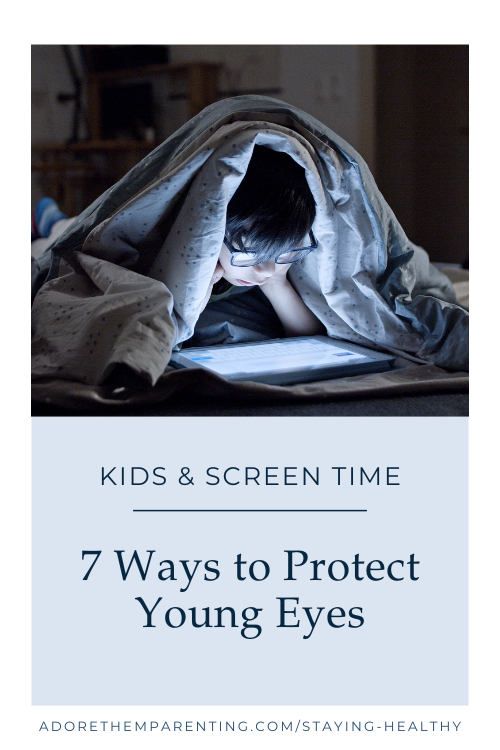
 Growing up in the digital age means screens are everywhere. Kids use tablets for school, smartphones to chat with friends, and TVs for weekend gaming sessions.
While these devices keep children connected, hours of daily viewing can take a heavy toll on developing eyes. Protecting your child’s vision does not mean banning technology entirely. It requires smart habits and simple boundaries to keep their eyes comfortable and healthy.
Implementing practical changes at home will safeguard their vision during screen time.
For more on this topic, check out the full Staying Healthy collection
Tracking Modern Daily Screen Use
Digital habits have shifted dramatically over the last few years. Recent data shows that children between the ages of 8 and 18 in the United States spend an average of 7.5 hours every day looking at screens. This massive amount of daily viewing exposes young eyes to high levels of artificial glare. Monitoring this time helps parents notice how deeply integrated digital media has become in everyday family routines.
Managing these hours is tricky because technology serves both educational and social purposes. A report from early 2026 revealed that the American Academy of Pediatrics updated its guidelines, retiring the old hour-based restrictions for a more flexible approach. This change highlights the need to focus on how children interact with devices rather than just counting the minutes.
Investing In Protective Eyewear
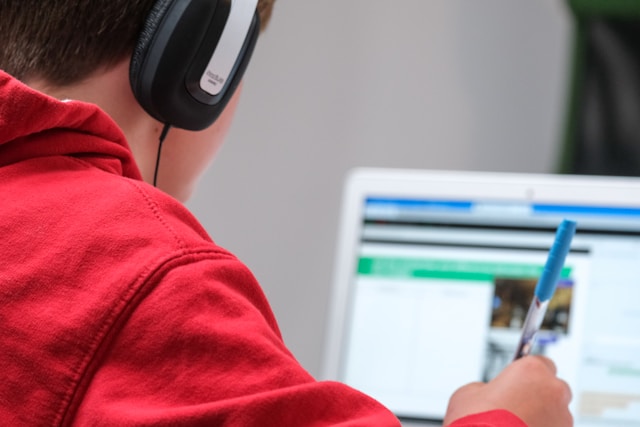
Specialized eyewear can offer an extra layer of defense against high-energy visible light. Parents often choose to shop the range of blue light glasses to help filter out harsh reflections during homework sessions. These lenses work by blocking specific wavelengths that contribute to digital fatigue and disrupted sleep cycles.
Using protective lenses is helpful when children must use computers for extended school projects. They act as a physical reminder to practice good posture and maintain a safe distance from the screen. Combining protective gear with screen limits gives kids the best chance at long-term visual health.
Implementing The 20-20-20 Rule
One of the simplest ways to reduce strain involves teaching kids a quick focusing habit. Experts recommend that children look away from their screen every 20 minutes to focus on an object 20 feet away for at least 20 seconds. This minor pause gives the internal eye muscles a chance to relax after staring at a fixed distance.
Parents can set fun timers or use desktop apps to remind younger users to take these necessary breaks. Regular pauses prevent the eyes from locking into a strained focus for hours at a time. It turns eye care into a routine game that kids can manage independently.
Spotting Hidden Symptoms Of Eye Strain
Children do not always recognize when their eyes are tired or overworked. Medical insights suggest that developing visual systems are still maturing, meaning kids might not notice or explain eye discomfort the way an adult would. Instead of complaining about blurry vision, they might rub their eyes, blink excessively, or become irritable.
Unaddressed discomfort often manifests as physical issues during after-school activities. A European survey from mid-2026 confirmed that 9 out of 10 adolescents report at least one negative symptom tied to device use, including tired eyes, headaches, and poor concentration. Watching for these subtle behavioral shifts allows parents to step in before minor fatigue becomes a chronic problem.
Prioritizing Natural Outdoor Light
Encouraging outdoor play is a powerful defense against childhood vision problems. Spending time outside exposes kids to bright natural light that supports healthy eye development. Research suggests that natural sunlight and looking at distant objects in large spaces help lower the risk of developing myopia.
Balancing digital entertainment with outdoor recreation gives the visual system a break from close-up demands. A simple afternoon walk or a game of catch helps reset their focus. Try establishing a rule where outdoor play matches or exceeds recreational device use each day.
Creating Media-Free Zones In The Home
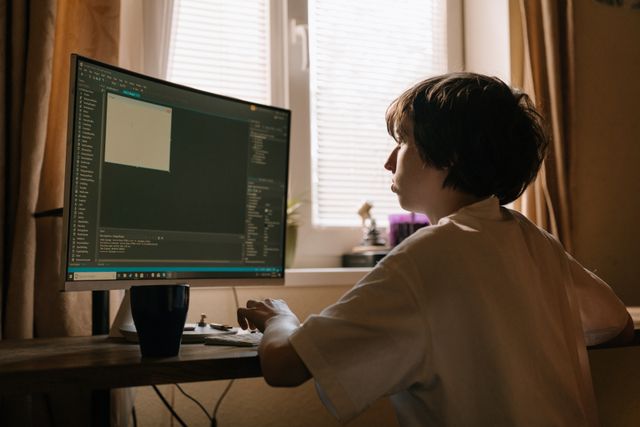
Setting physical boundaries around technology encourages healthier viewing habits naturally. Restricting devices in specific areas ensures that kids have built-in breaks from digital light. This practice is especially helpful for improving sleep quality and reducing evening eye irritation.
Consider applying these boundaries to daily routines:
- Keep all smartphones and tablets out of bedrooms during overnight hours.
- Ban devices from the dining table during breakfast, lunch, and dinner.
- Designate the living room as a space for reading paper books and playing board games.
Adjusting Device Settings And Displays
Modifying the settings on family electronics can significantly reduce the intensity of light hitting young eyes. Most modern tablets, computers, and smartphones feature built-in night modes or warmth sliders. Turning down display brightness to match the ambient room light prevents the screen from glowing like a flashlight in dark spaces.
Positioning displays correctly also minimizes physical discomfort. Screens should sit about an arm’s length away from the face, slightly below eye level. This angle reduces the strain on neck muscles and keeps the eyelids lower, which prevents moisture from evaporating too quickly.
Conclusion
Consistency is key when building healthy digital habits. Small adjustments to lighting, regular outdoor breaks, and the right protective tools will ensure your child enjoys the benefits of technology without sacrificing their vision. Start by implementing one or two changes this week, and watch how much more comfortable your child becomes during their daily screen routines.
For more on this topic, check out the full Staying Healthy collection