 Gift shopping can get weirdly stressful fast. You want something sweet and memorable, but not something that ends up in a junk drawer beside mystery batteries and one lonely birthday candle. A good souvenir-style gift can do a lot with a little. It can remind someone of a trip, a family story, or a moment you shared. The trick is picking something that feels personal instead of random. That’s where thoughtful keepsakes really shine.
For more on this topic, check out the full Gift Giving collection
Why small gifts matter
You don’t need a giant budget to give a gift that sticks in someone’s mind. Small keepsakes often work better because they feel easy to enjoy and easy to keep. They can sit on a shelf, tuck into a memory box, or come out during holidays and spark a story all over again.
If you’re drawn to travel-inspired treasures, delicate collectibles like Paris Limoges boxes can fit this kind of moment well because they connect beauty with place and memory. That’s the sweet spot for a meaningful gift.
A tiny present can also feel less awkward than an expensive one. That matters when you’re shopping for teachers, grandparents, neighbors, or family friends. You’re not trying to impress anyone like a game show host. You’re trying to say, “I thought of you.” When a gift does that clearly, size stops mattering.
Match the person first
Before you buy anything, pause and think about the person, not the product. This saves you from picking a cute gift that makes no sense for the actual human receiving it. Your stylish aunt, your soccer-loving nephew, and your kid’s favorite teacher are not shopping from the same mental catalog.
Ask yourself a few simple questions:
- Do they like to display things?
- Are they sentimental?
- Do they love travel, family history, or tiny details?
- Will they enjoy something decorative, practical, or playful?
Grandparents often love gifts that connect to family memories. Teachers may prefer something small but special that doesn’t add clutter to their desk. Kids usually enjoy keepsakes more when there’s a story attached. A friend who loves Paris, antiques, or elegant décor may appreciate a collectible much more than a generic candle. Pretty sure candles are multiplying on their own anyway.
When you start with personality, your gift choices get better fast.
Pick memories over clutter
A meaningful gift should earn its place in someone’s home. That doesn’t mean it has to be useful in a practical, scrub-the-counter kind of way. It just needs a reason to stay. Emotional value counts. A lot.
One easy test is to ask whether the gift has at least one of these qualities:
- It reminds them of a place or person
- It fits their home without taking over
- It feels well made
- It has a story behind it
- It suits their taste instead of yours
You’re trying to avoid the “thanks, where do I put this?” reaction. Oversized décor can be tricky. Very trendy items can age badly. Super personalized gifts can also miss the mark if they’re too specific or hard to display.
Smaller keepsakes usually do better because they don’t ask for much space. They can still feel rich in meaning. That balance matters for busy families and full homes, where every shelf is already negotiating with books, framed photos, and one suspiciously permanent school craft.
Think about the story
People remember stories more than objects. The gift becomes stronger when it carries a little history with it. Maybe it reflects a city someone loves, a honeymoon memory, a family heritage, or a tradition of collecting small treasures from different places.
That story doesn’t need to be dramatic. It can be as simple as, “This reminded me of your trip to France,” or, “I know you love little pieces that start conversations.” Suddenly the gift has personality.
This is especially helpful for parents shopping with kids. A child may not understand craftsmanship right away, but they do understand meaning. If you tell them, “We picked this because Grandma loves Paris and keeps special things on her dresser,” they learn what thoughtful giving looks like.
Gifts with a story also tend to last longer in the heart. They get brought out, talked about, and remembered. That’s a lot more satisfying than buying something flashy that gets forgotten by next Tuesday.
Choose timeless styles
If you want a keepsake to last, go for styles that don’t depend on trends. Think classic colors, elegant shapes, and details that feel charming instead of loud. You’re aiming for “that’s lovely” rather than “what year was this from?”
Timeless gifts often have a few things in common. They’re carefully made, easy to display, and attractive in different kinds of homes. Soft neutrals, gold accents, floral touches, and city-inspired designs tend to age well. They can work with traditional décor, cozy family spaces, and even more modern rooms.
This matters because many souvenir gifts are decorative. If the style is too bold or gimmicky, the person may admire it once and then quietly retire it to a drawer. Not exactly a hero’s ending.
Try to choose something that feels special without shouting. A keepsake should have charm, not chaos. When in doubt, go simpler. A small, beautiful object with a clear theme usually has more staying power than something oversized or overloaded with details.
Wrap it with heart
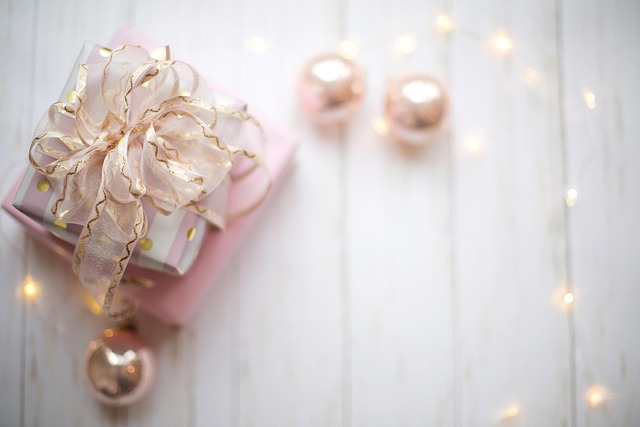
Presentation changes how a gift feels. You can make a modest keepsake feel thoughtful just by slowing down for the final step. No need for fancy wrapping worthy of a holiday movie montage.
A few simple ideas go a long way:
- Add a short handwritten note
- Use a sturdy gift box instead of a bag
- Tuck in tissue paper in a soft color
- Mention why you chose the gift
- Include the occasion or memory behind it
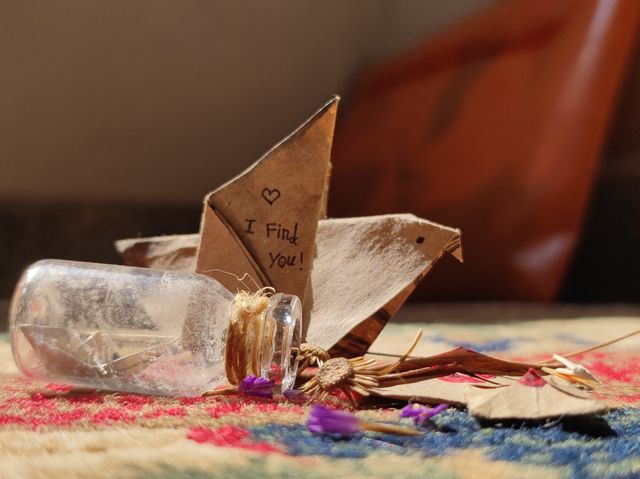
That note is often the magic part. Even two sentences can give the gift more meaning. You might write, “This made me think of your love for beautiful little treasures,” or, “I wanted you to have something that feels like a memory you can keep.”
When you wrap a gift with care, you show that thought went into the whole experience, not just the purchase. That’s what people remember. A meaningful keepsake doesn’t need to be big, trendy, or expensive. It just needs to feel true to the person receiving it. That’s the kind of gift people keep.
For more on this topic, check out the full Gift Giving collection