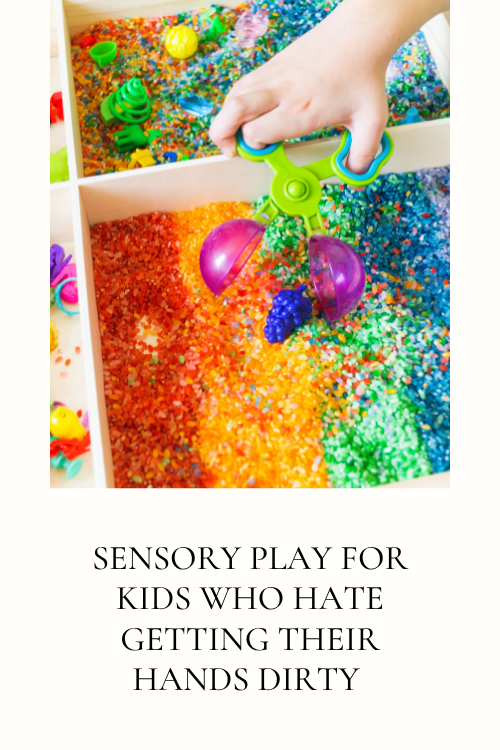
 If your child recoils at the sight of finger paint or refuses to touch anything sticky, slimy, or squishy, you’re not alone — and you’re not doing anything wrong. Plenty of kids are what occupational therapists call “tactile sensitive,” meaning certain textures feel genuinely overwhelming to them. The good news? Sensory play doesn’t require messy hands. With a few smart adjustments, texture-averse kids can get all the developmental benefits of sensory exploration while staying completely comfortable.
For more on this topic, check out the full Kid Activities collection
Why Some Kids Avoid Messy Play
Tactile sensitivity is a normal variation in how children process sensory input. For some kids, the feeling of wet sand, glue, or shaving cream registers as unpleasant or even distressing rather than fun. Forcing the issue usually backfires — it teaches kids to dread sensory play. Instead, the goal is to meet your child where they are. Sensory play is about engaging the senses — touch, sight, sound, smell, and movement — not about maximizing mess. A child who explores textures through a barrier or with a tool is still building fine motor skills, language, focus, and body awareness.
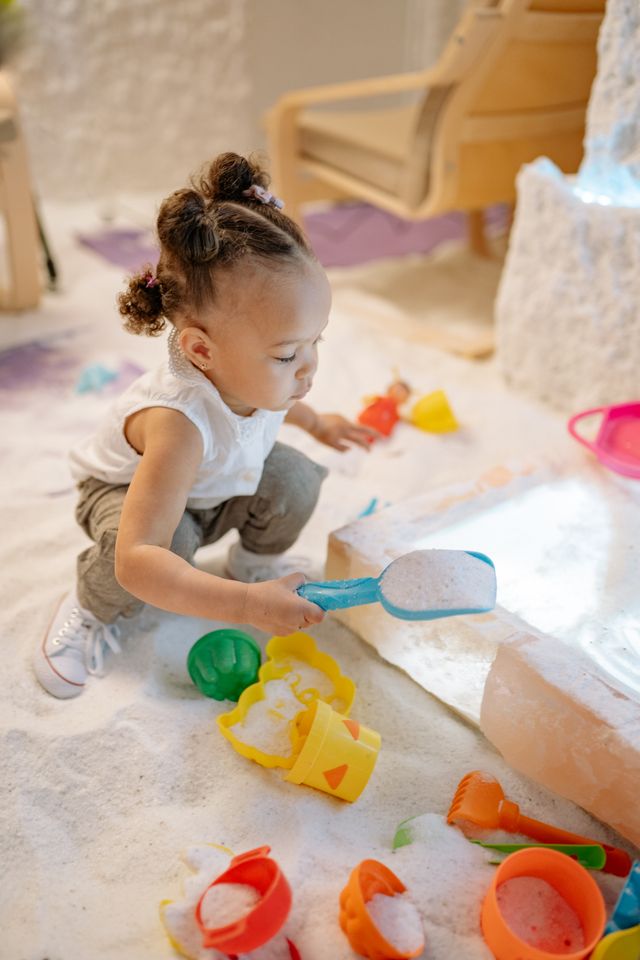
Mess-Free Sensory Play Ideas That Actually Work
-
Sensory Bags Instead of Sensory Bins
Fill a heavy-duty freezer bag with hair gel, water beads, or paint, seal it with strong tape, and let your child squish, poke, and trace shapes through the plastic. They get the visual and pressure feedback without ever touching the material. Tape the bag to a window or table for a hands-on activity that stays completely contained.
-
Dry Textures First
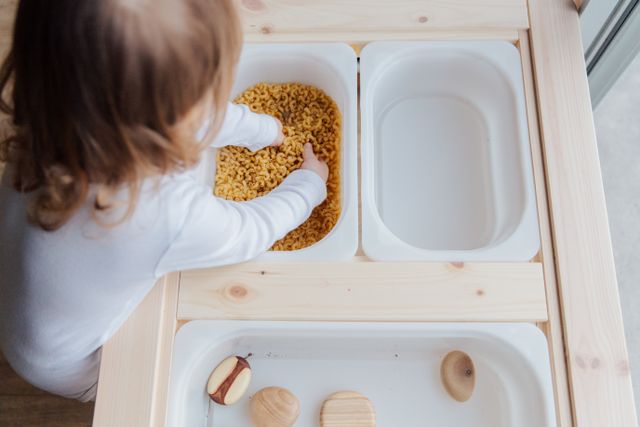
Not all textures are created equal. Most texture-averse kids tolerate dry materials — dried pasta, pom-poms, buttons, smooth river stones, or kinetic sand — far better than wet or sticky ones. Start with dry fillers and let your child scoop, pour, and sort. Over time, many kids naturally work their way toward more adventurous textures at their own pace.
-
Tools Are Your Best Friend
Tongs, scoops, spoons, funnels, tweezers, and small rakes let kids interact with materials without direct skin contact. Bonus: Using tools builds the same hand strength and coordination that kids need for writing and self-care. A simple setup with rice, a few cups, and tongs can hold a preschooler’s attention for a surprisingly long time.
-
Water Play With Boundaries
Water is one of the most tolerated sensory materials because it rinses away instantly. Try a shallow tray with cups for pouring, a basin for “washing” toy cars, or an eyedropper and ice cube tray for color mixing. Kids who hate feeling residue on their skin often love water precisely because it leaves nothing behind.
-
Sound and Sight-Based Sensory Play
Sensory play isn’t only tactile. Rain sticks, sensory bottles filled with glitter and oil, light tables, and shadow play all engage the senses with zero mess. For kids who avoid touch-based activities, these alternatives keep sensory development on track while building positive associations.
-
Rotate Themes Throughout the Year
One of the easiest ways to keep low-mess sensory activities fresh is to build seasonal sensory bins — dried corn and mini pumpkins in fall, cotton balls and silver bells in winter, artificial flowers and craft grass in spring. Rotating materials by season keeps novelty high, which matters for kids who need extra motivation to engage. Stick with dry, tool-friendly fillers, and your hesitant child gets variety without the ick factor.
How to Gently Expand Your Child’s Comfort Zone
Respecting your child’s limits doesn’t mean staying stuck forever. Try these gradual steps:
- Let them watch first. Kids often need to observe an activity several times before joining
- Offer an immediate cleanup option. A damp towel within arm’s reach gives kids the confidence to try something new, knowing relief is seconds away.
- Model the play yourself. Narrate what you feel: “Ooh, this is bumpy!” Kids learn that textures are safe by watching you.
- Never force contact. Pressure creates aversion. An invitation creates curiosity.
- Celebrate tiny wins. One fingertip in the kinetic sand is progress worth acknowledging.
When to Seek Extra Support
Occasional texture avoidance is completely typical. But if sensitivity significantly interferes with daily life — such as refusing entire food groups, experiencing distress during bathing or dressing, or avoiding play altogether — a pediatric occupational therapist can help. Early support makes a real difference, and many kids respond quickly to gentle, structured exposure.
Kids who hate getting their hands dirty aren’t missing out on sensory play — they need it served differently. Sensory bags, dry fillers, tools, water, and sound-based activities deliver the same developmental benefits without the distress. Follow your child’s lead, keep options low-pressure, and you may be surprised how far their curiosity takes them once comfort comes first.
For more on this topic, check out the full Kid Activities collection