 If you live in Ohio, siding is not just about curb appeal. It deals with humid summers, freezing winters, wind, rain, and the occasional weather mood swing that can test any exterior. If you are thinking about a DIY siding project, it helps to know where your effort can save money and where a mistake can get expensive fast. A smart plan starts with understanding what siding can realistically ask of you, your tools, and your patience.
For more on this topic, check out the full Family Home collection
What siding actually does for your home
Siding has a bigger job than many homeowners assume. It gives your house its visible outer layer, but it also helps block moisture, wind, pests, and temperature extremes.
When siding starts to fail, the problem rarely stays cosmetic. A loose panel can let water sneak behind the surface. Cracked caulk around trim can lead to rot. One warped section can hint at deeper moisture issues inside the wall assembly.
That matters even more in family homes, where maintenance often gets squeezed between school schedules, grocery runs, and the eternal mystery of where all the batteries went.
Before you grab a pry bar, take a close look at the type of siding you have. Vinyl, engineered wood, fiber cement, and aluminum all behave differently. Repair methods, fasteners, and safety considerations vary quite a bit.
Your first goal is not to become a contractor overnight. It is to figure out whether the project is cosmetic, structural, or moisture-related. That distinction can save you time, money, and a deeply annoying weekend.
When it makes sense to call a professional
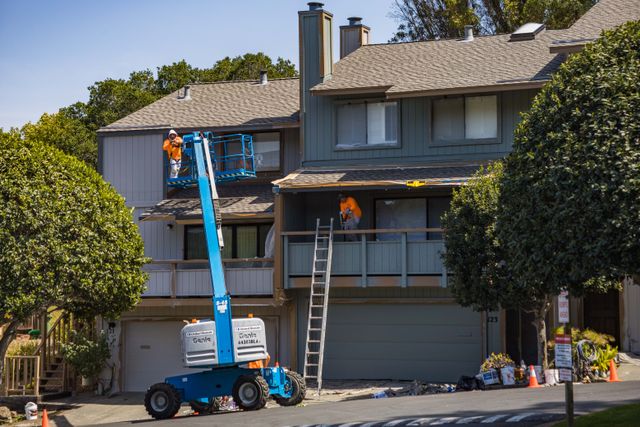
Professional help is worth considering when the repair affects a large section, involves moisture intrusion, or requires precise installation to preserve warranties and weather resistance.
You also want expert input if the home has repeated siding failures. One patch after another can turn into a money pit if the root cause never gets addressed.
For homeowners dealing with regional weather stress, a siding specialist in Ohio can evaluate more than the visible damage. That includes flashing details, ventilation concerns, fastener placement, and how the material is holding up in local conditions.
A qualified professional can also spot installation shortcuts that are easy to miss. Vinyl hung too tightly can buckle. Improper overlap can invite water. Missing house wrap details can create long-term moisture headaches.
This is especially relevant if you are trying to balance cost with durability. The cheapest fix on Saturday can become the most expensive one by next spring.
DIY siding tasks you can usually manage
Some siding work fits well into the DIY category, especially if the damage is small and easy to reach. You do not need a full renovation crew to handle every minor issue.
Projects many homeowners can tackle include:
- Washing dirt, mildew, and pollen off siding with the correct cleaner
- Replacing a single cracked vinyl panel if you have matching material
- Reapplying exterior caulk around trim, windows, and joints
- Painting or sealing certain siding types when surface prep is straightforward
- Tightening or replacing loose trim pieces
- Inspecting for visible gaps, insect activity, or water staining
These jobs reward patience more than brute force. A siding zip tool, a stable ladder, work gloves, and weather-appropriate sealant often go a long way.
If you are patching vinyl, color match matters. A repair that technically works but sticks out visually can make the whole wall look off. Save leftover materials after any exterior project. Future you will be grateful.
Always check the weather before starting. Caulk, paint, and adhesives do not love damp surfaces or surprise temperature drops.
Signs the project is bigger than it looks
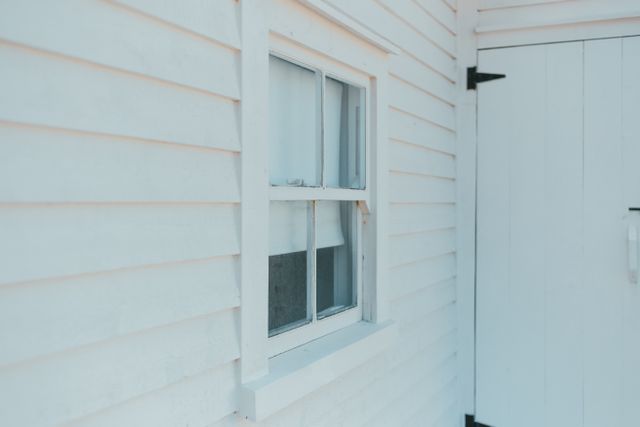
Siding problems have a talent for hiding the real issue underneath. A little bubbling, staining, or movement on the surface can point to trapped moisture or improper installation.
That is where many DIY plans hit a wall, sometimes literally. If you remove one section and discover soft sheathing, mold, or damaged insulation, you are no longer doing a basic patch.
Watch for these red flags:
- Multiple panels are loose, warped, or missing
- There is visible rot around doors, windows, or corners
- Interior walls show water spots near exterior sections
- The siding feels brittle, swollen, or uneven across a large area
- You suspect storm damage or hidden structural movement
- The repair area is high off the ground or near electrical lines
If your home has older materials, there may also be code, disposal, or hazard concerns. That can include lead paint on older surfaces or underlayment issues that need careful handling.
At that stage, you are not just fixing a panel. You are diagnosing the building envelope, and that requires a more technical eye.
How to decide between repair and replacement
This decision usually comes down to extent, age, and consistency. If one section took a hit from lawn equipment or a storm, a targeted repair may be enough. If problems appear in several areas, replacement starts to make more sense.
Ask yourself a few practical questions:
- Is the damage isolated or repeated across multiple walls?
- Can you still find matching materials?
- Has the siding reached the end of its expected lifespan?
- Are your energy bills climbing along with exterior maintenance needs?
- Do you see signs of moisture behind the siding?
Repairs make sense when they preserve a siding system that is otherwise in decent shape. Replacement becomes the smarter move when the material is aging out, failing broadly, or no longer protecting the home well.
Think of it like a backpack with one broken zipper versus one with torn straps, a split seam, and mystery crumbs from 2019. At some point, patching stops being efficient.
A pro assessment can help you avoid replacing too much, while also avoiding the trap of repairing too little.
Smart prep tips before you start any siding work
Even a small project goes better when you prepare like someone who enjoys not making extra trips to the hardware store.
Start with a clear inspection during daylight. Take photos, check nearby trim, and look for staining below the damaged area. Water often travels before it shows itself.
Then set yourself up with the basics:
- Confirm your siding type and manufacturer if possible
- Read the installation instructions for the material you are touching
- Use a secure ladder on level ground
- Wear gloves, eye protection, and non-slip shoes
- Avoid pressure washing at angles that can force water behind panels
- Stop immediately if you uncover rot, mold, or insect damage
If you are a parent fitting projects into family life, it helps to break the job into phases: inspect, gather materials, repair, and recheck after the next heavy rain.
That last step matters. A repair is not done when it looks fine from the driveway. It is done when it holds up through real weather.
Final thoughts on doing it yourself without overdoing it
DIY siding work can be satisfying, practical, and budget-friendly when the scope is clear. Cleaning, caulking, and minor panel replacement are realistic projects for many homeowners with the right tools and a careful approach.
The trouble starts when surface damage hides deeper water or structural problems. That is where experience matters more than enthusiasm. No one wants a small repair to turn into an accidental demolition series.
If you stay honest about your skill level and pay attention to warning signs, you can handle the jobs that make sense and get help for the ones that do not. That balance protects your home, your budget, and your weekend.
For more on this topic, check out the full Family Home collection