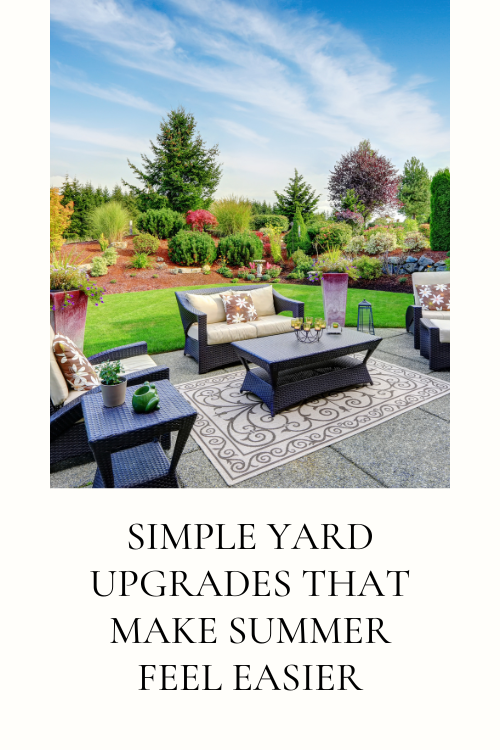
 Summer should feel relaxing, not like your yard has become another job. Yet many homeowners step outside and see dry grass, weeds, tangled hoses, and patios too hot to enjoy. The good news is that a more manageable yard does not require a full renovation. A few practical upgrades can save time, reduce stress, and make outdoor spaces more comfortable all season.
The goal is not a picture-perfect backyard. It is a yard that works well for everyday life. When outdoor areas are easy to maintain and pleasant to use, people naturally spend more time there, whether that means eating dinner outside, letting kids play longer, or inviting friends over without a rush to clean up first.
For more on this topic, check out the full Family Home collection
Why Outdoor Ease Matters
A yard should be a place to rest, gather, and enjoy warm weather. When it becomes high-maintenance, though, it can feel demanding instead. Constant upkeep, clutter, and awkward layouts make it harder to appreciate the space.
Convenience plays a major role in how often people actually use their yards. If sitting outside means dragging furniture into the shade, moving sprinklers, or cleaning a messy patio every time, the space starts to feel like more trouble than it is worth. Easy-to-use yards get used more often because they support daily life instead of interrupting it.
That is why even small improvements matter. You do not need to redo the whole landscape in one season. Thoughtful changes can reduce effort and make your yard more enjoyable throughout summer.
Start With Watering
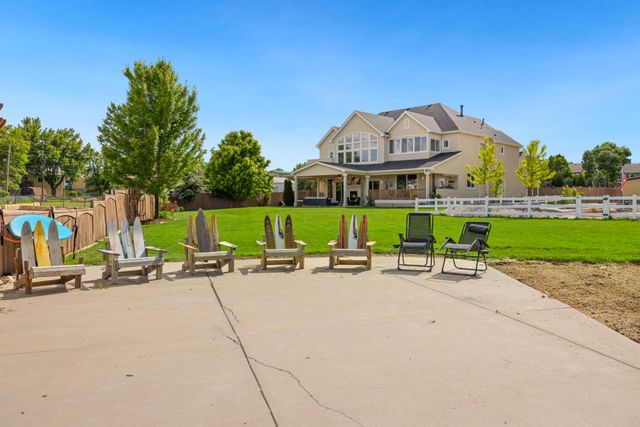
Watering is one of the most repetitive summer chores. In hot weather, skipping even a few days can leave grass brown, flowers wilted, and the whole yard looking tired.
For many homeowners, improving how water is delivered is one of the easiest ways to reduce work. Planning for sprinkler installation can make lawn care more dependable by replacing guesswork with a routine schedule. Instead of dragging hoses across the lawn or repositioning sprinklers throughout the day, you can rely on a system that keeps the landscape watered with much less daily effort.
Even without a full irrigation system, better watering habits can help. Watering early in the morning reduces evaporation, allowing more moisture to reach plant roots. Grouping plants with similar water needs is another smart move. That helps prevent drought-tolerant plants from being overwatered while thirstier plants struggle.
A more organized watering routine saves time, protects your landscaping investment, and helps the yard stay greener during the hottest months.
Choose Lower-Maintenance Plants
One of the simplest ways to cut summer yard work is to choose plants that suit your local climate. Some plants may look great at the garden center but need constant watering, trimming, and attention after they are planted. If you want a yard that feels easier, focus on plants that thrive with less intervention.
Native plants are often a strong choice because they are already adapted to local conditions. They usually handle weather swings better and often need less water than nonnative options. Hardy shrubs, drought-tolerant grasses, and dependable perennials can all make landscaping easier over time.
It also helps to pay attention to sun and shade before planting. A full-sun plant may struggle in a shady corner, while a shade-loving plant can suffer in intense afternoon heat. Plant tags usually list these needs clearly, and a little planning upfront can prevent wasted money and frustration later.
When plants match the conditions in your yard, you spend less time replacing them and more time enjoying a landscape that largely takes care of itself.
Create Shady Hangouts
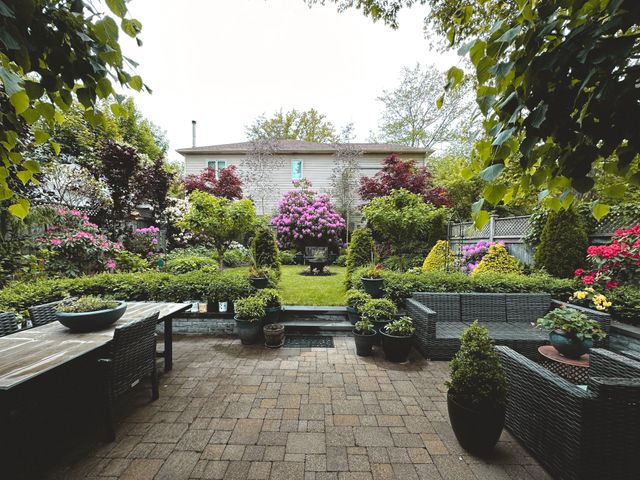
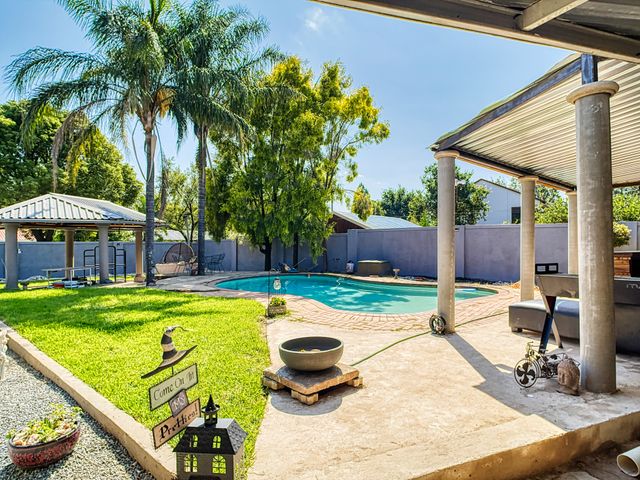
A yard becomes much more inviting when it offers relief from direct summer sun. Shade can turn an uncomfortable area into a usable one, especially during the hottest part of the day.
There are several practical ways to add it. Patio umbrellas are affordable, flexible, and easy to move. Pergolas create a more defined outdoor space and can make even a simple patio feel intentional. For a longer-term investment, planting a shade tree can eventually provide natural cooling, though it will take time to mature.
Furniture placement matters too. Seating that sits in direct afternoon sun often goes unused, no matter how attractive it looks. A bench under an existing tree, near taller shrubs, or beside a fence may be much more practical. Small additions such as outdoor cushions or a side table can make the area feel more welcoming.
When your yard includes a cool place to sit, people naturally stay outside longer. Shade improves comfort, extends usability, and makes the entire yard feel more livable.
Rethink Your Weekend Chores
Many yard frustrations do not come from one huge task. They come from small chores repeated over and over, like mowing around awkward edges, pulling weeds, hauling tools, sweeping paths, and untangling hoses.
A smarter layout can reduce a lot of that work. Widening garden beds, for example, can remove narrow strips of grass that are annoying to mow. Adding mulch around plants helps the soil hold moisture and suppresses weeds, which means less watering and less weeding. Keeping tools stored closer to the yard also saves time and cuts down on extra trips back to the garage.
It also helps not to wait until everything feels out of control. A short routine is usually easier than a major weekend cleanup. Spending ten to fifteen minutes once or twice a week on small tasks can keep the yard manageable and prevent chores from piling up.
The goal is not perfection. It is keeping maintenance light enough that it does not take over your free time.
Add Small Comfort Touches
Some of the best yard upgrades are also the simplest. Small comfort features may not transform the whole space visually, but they can improve how it feels every time you step outside.
Outdoor lighting is a good example. Solar path lights or string lights can make evenings more inviting while also improving visibility and safety. Storage benches are another useful option because they provide seating and a place to store cushions, toys, or gardening supplies.
Paths can also make a yard easier to navigate, especially after rain when grass becomes muddy. Even a basic stepping-stone path can reduce mess and make the space feel more organized. Container gardens are another flexible choice. They add color without major digging and allow you to move flowers or herbs closer to patios and entryways where they will be enjoyed most.
These small details help an outdoor space feel more functional, polished, and welcoming without requiring a large budget.
For more on this topic, check out the full Family Home collection