 There is a particular kind of misery in troubleshooting an air conditioner while the house bakes around you. Cooling trouble tends to strike at the least convenient hour, and the handy homeowner faces a genuine question in that moment: is this something to fix, or something to hand off? Drawing that line correctly is the difference between a quick win and an expensive lesson.
For more on this topic, check out the full Family Home collection
What Belongs to You and What Does Not
A fair amount of cooling upkeep sits comfortably in a homeowner’s hands. Filters, debris around the outdoor unit, a breaker that popped, a thermostat set wrong, all of it is fair game and worth learning. The trouble starts when the fault reaches the electrical guts, the refrigerant, or the sealed components, where a unit hums without starting or drips at the coil, and pushing further only makes it worse.
The stakes climb quickly once a repair moves past the basics, since one wrong move on a live system can turn a small fault into a ruined compressor. The safest move at that point is to hire an expert air conditioning repair company that handles the diagnosis for you. A good team responds fast and gets the system running right the first time.
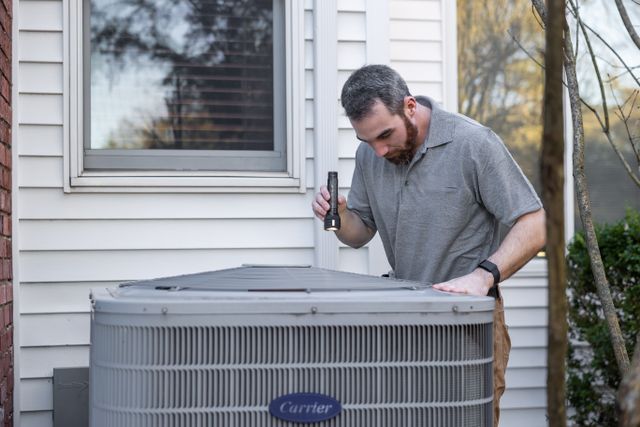
The Signals Worth Taking Seriously
Systems rarely die without a warning. They hint first, and the hints are easy to catch once you know the shape of them. Air that never turns cold, rooms that cool unevenly, and a thermostat reading nowhere near how the room actually feels all say the same thing.
A few patterns show up again and again:
- Warm air where cold should be
- A burning or musty smell
- Grinding, buzzing, or hissing from the unit
- Rapid on-off cycling
- A power bill that jumps for no clear reason
- Water collecting near the indoor cabinet
These tend to surface in the middle of an ordinary busy evening, when the house is full, and nobody has time for it. That is also the worst moment to ignore them, since a strained unit fails faster under heavy use. A system that runs but acts strange is asking for attention, not patience.
The Checks You Can Safely Run First
Before booking anyone, a short round of basic checks clears out the simple causes. Start at the thermostat: cool mode on, target below room temperature, batteries alive if the model needs them. It is a common culprit and the easiest one to rule out.
The filter comes next, and a clogged one causes more trouble than its size suggests, strangling airflow and freezing coils. If it looks gray and matted, swap it. Then step outside and clear the condenser of leaves, weeds, and anything crowding it, and glance at the panel for a tripped breaker while you are there.
Keep the DIY list to genuinely safe tasks:
- Replace the air filter
- Confirm thermostat settings and batteries
- Reset a tripped breaker once
- Clear debris around the outdoor unit
- Open any blocked supply vents
Anything that means opening a sealed part, touching wiring, or handling refrigerant lines is off the list. That work is trained territory for good reason.
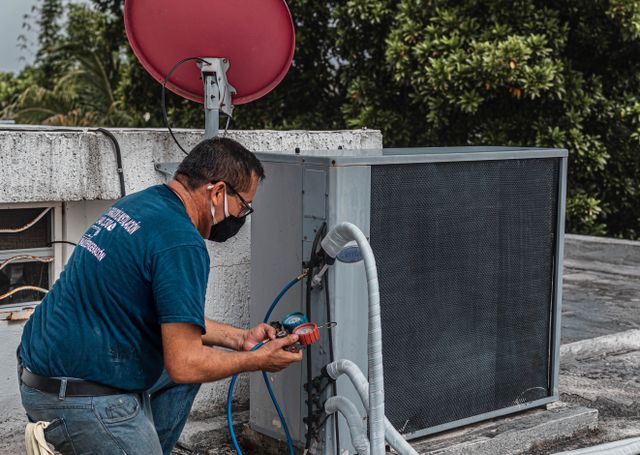
Why This Machine Is Not Like Your Other Projects
A confident weekend can cover a lot of ground around a house. Paint, shelves, drywall, even a small build come together with patience and a video or two. Cooling systems refuse to play along, because they fold electricity, moving parts, pressurized refrigerant, drainage, and airflow into a single machine that punishes guesswork.
The stakes climb with the complexity. A crooked shelf is a shrug. A botched cooling repair can kill a compressor, create a fire hazard, or leave the house hotter than the driveway. On top of that, the obvious symptom often hides the real cause: warm air might be low refrigerant, or a dirty coil, a dying capacitor, leaking ducts, or a bad thermostat. Swapping parts blindly just spends money on a guess.
Knowing the Moment to Hand It Off
One line keeps the decision simple. If a fix involves real risk, special tools, or the inside of the system, it belongs to a professional. The same goes for any fault that keeps returning after you have tried the basics. Repeated trips, frozen coils, leaks, and harsh startup noises are not problems to sit on.
Calling early tends to pay off, giving you options and heading off the bigger failure that arrives on the hottest afternoon of the year. When you do reach out, a clear description speeds everything up:
- What the unit is actually doing
- When it started
- Any sounds or smells you noticed
- Whether it happens constantly or at set times
- What you already tried
That detail turns a vague complaint into a fast diagnosis and spares you from narrating a mystery.
Keeping It Healthy Between Visits
Even a clean repair fades if the system gets ignored afterward. A little steady maintenance keeps a unit efficient and cuts the odds of an emergency, and none of it is complicated. Filters on a schedule, vents kept clear of furniture and curtains, and a tidy space around the outdoor unit cover most of it.
Booking a professional tune-up before the summer peak rounds it out. Regular care improves efficiency and stretches the life of the equipment, which matters when a replacement lands as hard on the budget as it does. Comfort at home never required mastering every machine in it. It only asks you to know your limits, handle the safe basics, and call early when the unit starts waving red flags.
For more on this topic, check out the full Family Home collection