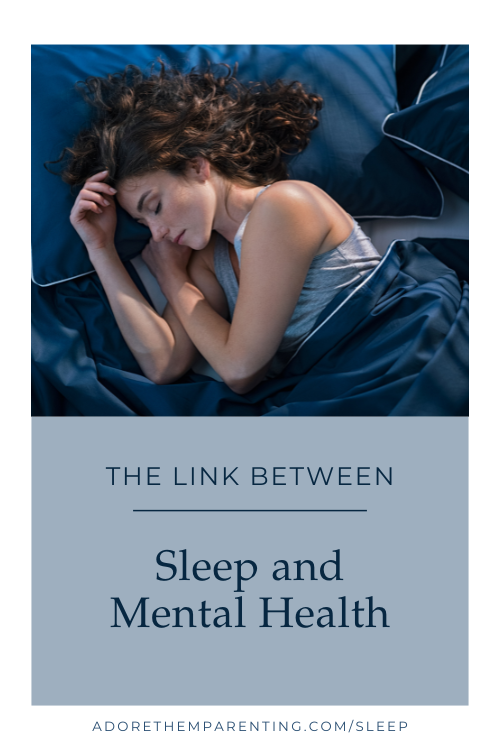
 Every living person needs adequate sleep to feel physically refreshed and energized to take on the day ahead. But did you know that sleep and our mental health also have a direct relationship?
Indeed, there’s a well-studied relationship between sleep and our mental health. If you are falling behind on sleep, then you may suffer detrimental effects on your mood and cognitive function.
Conversely, getting enough high-quality sleep can give your brain a much-needed boost, enabling you to power through the day and alleviating mental cognition with greater ease and confidence.
That being said, if your knowledge of the two is still somewhat hazy, then it can understandably be hard to figure out what needs to be done to ensure that you’re optimizing both your sleep habits and mental health.
And if you find yourself in that predicament, then you’re in the right place. This article will give you some valuable insights into the link between sleep and mental health.
Let’s jump right into it.
For more on this topic, check out the full Sleep collection
How Are Sleep and Mental Health Connected?
The link between sleep and mental health, as previously mentioned, is quite heavily studied.
When you get enough sleep, your brain will enjoy various benefits, including ones that touch upon mental health. Let’s take a look at these benefits in greater detail.

Emotional Regulation
Getting enough sleep helps keep your emotions in check. It’s not uncommon for sleep-deprived individuals to be irritable, anxious, and easily frustrated, and that can often be linked back to poor sleep habits.
Furthermore, when you get enough sleep, particularly REM sleep—a stage of sleep wherein brain activity spikes for about 90 minutes and is characterized by darting eye movements and vivid dreams—your brain would be better able to process emotional experiences and regulate your responses to stressful situations.
This allows you to cope with daily challenges more effectively and recover from negative experiences without becoming easily overwhelmed. Over time, consistently getting quality sleep can improve emotional resilience, which can keep you in a good mental state throughout your waking life.
Stress Management
When we don’t get enough sleep, our bodies may retain excess cortisol accumulated throughout the day. This is not a good state to find oneself in, as it keeps our fight-or-flight response activated well beyond the usual timeframe.
Cortisol, or the stress hormone, is naturally released in response to physical or emotional stress. While this hormone plays an important role in helping the body respond to challenges, persistently high cortisol levels can negatively affect both physical and mental health.
Excess cortisol can be particularly vicious in influencing our mental state, as it can increase anxiety, irritability, and blood pressure if left unchecked. Furthermore, chronic stress can also get in the way of your entering a restful state, making it consistently hard for you to sleep the following nights, even if your body already lacks it.
On the flip side, getting enough sleep allows the body to naturally restore hormonal balance, reducing the heightened cortisol levels in your body as a result.
As this is the case, getting ample sleep can result in you waking up feeling more refreshed and more equipped to handle what the day has in store for you.
Improves Cognitive Resilience
Another way sleep and mental health directly affect one another is the way getting enough sleep helps improve our brain’s ability to process different emotions and feedback.
When we get enough sleep, our brains enter a state in which they can form neural connections and consolidate memories more easily. Our brains also remove metabolic wastes that have accumulated when we are awake, making it easier for us to take in new input after a good night’s rest.
Conversely, if we lack sleep, metabolic wastes can accumulate and interfere with our brain’s ability to consolidate memories and gather and store information for the long haul. This hinders our creativity and executive function, making it harder for us to think critically and stay mentally sharp.

Helps Manage Existing Mental Health Conditions
Getting a good amount of sleep each night also helps you keep preexisting mental health disorders like anxiety and depression in check.
If you’ve spent multiple nights sleeping fewer hours than you should, this could cause mental health conditions to worsen. This may result in relapses in some form, such as heightened emotional distress or anxiety attacks.
Getting enough sleep can alleviate these symptoms, but it should be noted that this is not enough to cure these conditions. Oftentimes, it takes a combination of good lifestyle habits and medical treatment to help patients overcome their bout of mental illness. So while sleep helps, it’s not something you should solely rely on to boost your mental health.
In any case, you can be much more resilient if you get enough sleep, so it’s much better to have ample amounts of sleep time than to miss out on it outright.
How to Improve Sleep Habits
If you find it difficult to fall asleep, there are several habits you can employ to make the task feel easier. Here are some ways to get yourself in a more restful state.
Use High-Quality Sleeping Equipment
Your sleep environment plays a significant role in determining how quickly and soundly you fall asleep.
Be sure to invest in the right items to make it easier for you to fall asleep, such as mattresses for mental health settings and pillows that best suit your preference.
You should also invest in items that promote a cool, dry, and dark environment in your sleeping quarters, such as a blackout curtain and a working A/C unit.
Create a Sleep Schedule
Maintaining a consistent sleep schedule helps regulate your body’s internal clock, also known as your circadian rhythm.
When you sleep at specific hours each night, or follow a strict regimen that concludes with lying down in bed, your body will naturally adjust to this schedule. In turn, this consistency can make it easier for you to fall asleep.

Limit Screen Time Before Bed
Gadgets like your phone or laptop emit blue light, which can trick the body into thinking it’s still daytime. This can make it harder for you to wind down before bed naturally.
To prevent that from happening, limit screen time use at least an hour before bedtime. If you must use your gadget, then consider putting on a blue light filter to make it easier for your eyes not to get so hyperactive.
Avoid Caffeine Later in the Day
Drinking coffee in the morning is fine, but indulging in caffeinated drinks in the mid-afternoon and later can make it difficult for you to wind down before bed easily.
As this is the case, try to make it a habit to avoid drinking coffee late in the day. This way, you won’t encounter problems in getting your body to fall asleep or enter a restful state when it’s time to go to bed.
Develop a Relaxing Bedtime Routine
Lastly, consider creating and following through with a nighttime routine that you can strictly follow every night. This routine can include doing deep breathing exercises, reading a book, or taking a calming bath—whatever works best for you.
By having a routine, your body will have an easier time falling asleep. You’ll just have to stick with the habit early on as a start.
We hope that these tips will help you fall asleep faster to improve your mental health. All the best in getting your brain in good shape!
For more on this topic, check out the full Sleep collection