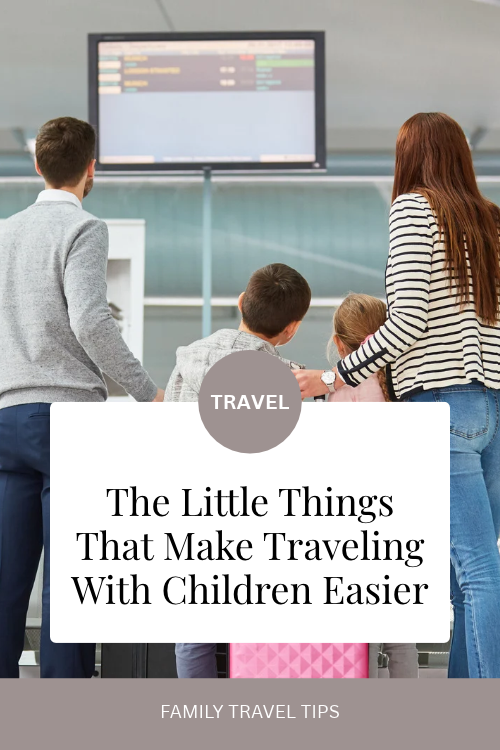
 Traveling with children rarely looks like the glossy pictures in brochures. There are snack crumbs, sudden bathroom stops, missing socks, and questions asked from the back seat every few minutes. Still, family trips can be joyful when parents focus on small, practical details instead of trying to control every moment. A little planning can turn stressful transitions into smoother routines, leaving more energy for adventure, connection, and fun.
For more on this topic, check out the full Travel Tips collection
Plan Your Transportation Before You Land
Getting from the airport to your hotel is often the hardest part of a trip with kids, so decide how you will do it before you leave home. The best choice depends on where you are going. In a compact city like Boston or Chicago, a train from the airport is often faster than sitting in traffic, and you will not need to carry a car seat through the station. In a spread-out destination like Orlando, many families find that car rentals at MCO airport are easier than juggling hotel shuttles and ride shares, since you can load the stroller, luggage, and snacks once and head straight to your hotel.
Pack for Easy Access
The most useful items are not always the biggest ones. Keep wipes, tissues, hand sanitizer, snacks, refillable water bottles, chargers, and a change of clothes where you can reach them quickly. A small backpack or tote that stays with you is often more valuable than a perfectly organized suitcase in the trunk. For younger children, include a favorite comfort item, but avoid packing every toy they own. A few familiar things can make new places feel less overwhelming.
Snacks Can Save the Day
Hungry children become cranky children quickly, especially when meals are delayed by traffic, long lines, or unexpected closures. Pack simple snacks that are not too messy, such as crackers, granola bars, fruit pouches, pretzels, or dry cereal. If your child has dietary restrictions, carry more than you think you will need. Having familiar food available can prevent stress when restaurant menus are limited or when a planned stop takes longer than expected.
Make Waiting More Manageable
Travel often involves waiting: at airports, in rental lines, at restaurants, and before attractions open. Instead of relying only on screens, bring a few lightweight distractions. Sticker books, coloring pages, magnetic games, story cards, or a small notebook can keep children busy without taking up much room. You can also play simple games like “I Spy,” alphabet searches, or guessing games.
Keep Routines Where You Can
Vacations naturally disrupt normal schedules, but keeping a few familiar routines can help children feel secure. Bedtime may be later, yet the steps can stay the same: pajamas, teeth, story, cuddle, lights out. Morning routines can also help, especially if kids know what to expect before leaving the hotel or rental home. When children feel anchored by familiar patterns, they are often more cooperative during unfamiliar experiences.
Choose Comfort Over Perfection
Comfortable clothing and shoes matter more than picture-perfect outfits. Children who are too hot, too cold, or dealing with blisters will not enjoy the day, no matter how exciting the destination is. Dress in layers, check the weather, and bring an extra shirt or light jacket when needed. If you want nice family photos, plan them early in the day before spills, sweat, and tiredness take over.
Give Children Small Choices
Kids often handle travel better when they feel included. Offer simple choices that do not derail the plan: “Do you want the blue shirt or the green one?” “Should we visit the playground before or after lunch?” “Do you want apples or crackers?” These little decisions give children a sense of control, which can reduce power struggles. Just be sure the options you offer are ones you can actually accept.
Expect Breaks, Not Constant Activity
It is tempting to pack every day with attractions, tours, and restaurant reservations. With children, less is often more. Build in downtime for naps, swimming, quiet play, or simply relaxing in the room. Breaks are not wasted vacation time; they are what make the next activity enjoyable. A rested child is more likely to appreciate the experience, and rested parents are more patient when plans change.
Celebrate the Small Wins
Family travel is not about flawless schedules or perfect behavior. It is about shared memories, even the messy ones. Celebrate the child who carried their own backpack, tried a new food, waited patiently, or recovered from a meltdown. The little things—extra snacks, flexible timing, comfortable shoes, and calm expectations—often make the biggest difference. When parents prepare for real life instead of an ideal version of travel, the whole journey becomes easier and more memorable.
For more on this topic, check out the full Travel Tips collection