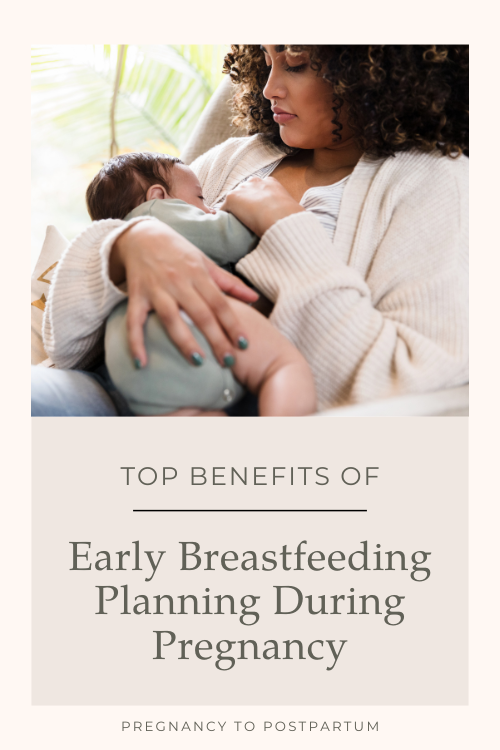
 Most pregnancy preparation focuses on the birth itself — the hospital bag, the birth plan, the pediatrician selection. What comes immediately after the birth tends to get less deliberate attention, even though the early postpartum weeks are where a significant portion of new parents feel least prepared. Breastfeeding sits squarely in that gap. It’s discussed widely as a goal but less often as something that benefits from specific, practical preparation before the baby arrives.
The research on early breastfeeding planning is fairly consistent. Mothers who go into the postpartum period with a clearer sense of what to expect, what resources are available, and what equipment they need tend to have longer breastfeeding journeys and describe the experience more positively than those who approach it without that foundation.
For more on this topic, check out the full Pregnancy Through Postpartum collection
Understanding What the Early Weeks Actually Look Like
The first two weeks of breastfeeding are where most challenges originate and where most early discontinuation happens. Latch difficulties, engorgement, uncertainty about supply, the exhaustion of feeding every two to three hours — none of this is unusual, but it can feel overwhelming to a new mother who wasn’t expecting it.
Antenatal education that addresses breastfeeding honestly — what’s common, what’s normal variation versus what warrants support, and what support looks like — gives mothers a more accurate frame of reference when they reach that period. The difference between a challenge that feels manageable because it was anticipated and one that feels like a signal to stop is partly about information and partly about having somewhere to turn when it’s needed.
Identifying a lactation consultant before the birth, rather than trying to find one after a problem has already developed, is a practical step that early planning makes straightforward. The same applies to knowing which local and online breastfeeding support resources exist and how to access them.

Getting Equipment Sorted Before the Due Date
Breastfeeding equipment — and particularly the breast pump — is something a surprising number of mothers end up scrambling to sort out after the baby has arrived, at a point when bandwidth for administrative tasks is essentially zero. Getting it handled before the birth removes a category of stress from an already demanding period.
Early planning creates time to research options properly. The Breast Pump Store, for example, is a resource that helps families navigate insurance coverage for pumps, understand which models might suit their situation, and get equipment ordered with enough lead time that it arrives before it’s needed rather than after. That kind of preparation — knowing what’s covered, what to order, and having it on hand — is the difference between having the right equipment available from the first day it’s needed and improvising during a period when improvising is the last thing a new mother has energy for.
Beyond the pump itself, storage bags, nursing bras, nipple cream, and a comfortable feeding setup at home are all easier to think through and acquire before the baby arrives than after. The postpartum period is not a good time for shopping decisions that require any research.
Building Knowledge About Nutrition and Supply
Milk supply is one of the most common concerns new breastfeeding mothers experience, and a significant portion of that concern stems from not knowing what normal supply looks like or what factors affect it. Early planning creates space to build that knowledge base before it’s urgently needed.
Understanding how supply works — that it operates on demand, that the early days involve colostrum rather than mature milk, that frequent feeding in the first weeks is both normal and important for establishing supply — gives mothers a context that reduces anxiety when things don’t immediately look the way they expected. It also helps distinguish situations where professional support is worth seeking from those that are normal variation resolving on their own.
Nutrition and hydration during breastfeeding also benefit from some advance thought. The additional caloric and fluid needs of lactation are real, and mothers who’ve already adjusted their habits slightly during pregnancy tend to find the transition smoother than those encountering the information for the first time while postpartum.

Involving a Partner or Support Person
Breastfeeding is a solo act in the literal sense, but the environment around it isn’t. A partner or support person who understands what the early weeks involve, what’s normal, and how to be genuinely helpful — rather than anxious or inadvertently discouraging — makes a measurable difference in how the experience goes.
Conversations about the postpartum division of responsibilities, what support actually looks like in practical terms, and what the breastfeeding goals are going into the process all benefit from happening before the birth rather than being worked out under the pressure of a newborn at home. Partners who’ve had those conversations tend to show up differently during the early weeks.
The Case for Starting Early
Breastfeeding preparation doesn’t require months of dedicated effort. It requires enough advance attention that the practical pieces are in place, the knowledge base is sufficient to navigate early challenges with some confidence, and the support network is identified before it’s urgently needed.
That foundation, built during pregnancy, is what makes the difference between a breastfeeding experience that gets a real chance to succeed and one that ends before it had time to find its footing.
For more on this topic, check out the full Pregnancy Through Postpartum collection