 Body contouring after kids is one of those decisions that tends to arrive quietly. It is not usually a sudden impulse. It builds over a couple of years, in fitting rooms and in photos you did not want taken, until one day you find yourself reading consultation pages instead of scrolling past them.
What surprises most parents is how little of the process is about the operation. The surgery is a few hours. Everything that decides whether you are happy afterward happens earlier: whether you were a good candidate, whether the timing was right, whether the plan was built around your anatomy, and whether your recovery had real support behind it.
So before you choose a date, it is worth sitting with the parts of the decision that do not photograph well. They are the ones that matter.
For more on this topic, check out the full Pregnancy Through Postpartum collection
The Candidacy Conversation Starts Before the Procedure Does
A good surgeon spends the first consultation deciding whether to operate at all, which can feel deflating when you arrived ready to book. They will want your weight stable for several months, your pregnancies behind you, nicotine out of the picture, and any thyroid, blood pressure or diabetes issues properly managed. Blood thinners, a history of clotting, untreated sleep apnea and significant anemia all change the conversation. None of this is bureaucracy. The World Health Organization has long pointed out that surgery carries real risk and that a large share of complications are preventable through systematic checks rather than luck. Screening you properly is the earliest of those checks.
Why the Calendar Matters More Than You Think
Most surgeons want you at least six months past delivery, and well past breastfeeding, before contouring the abdomen or breasts. Hormones are still settling, tissue is still retracting, and breast volume can swing considerably once feeding ends. Operate inside that window and you are shaping a moving target. The second timing question is the one about more children. A repaired abdominal wall will stretch again with another pregnancy, and while that is not dangerous, it does undo part of what you paid for. Many parents decide to wait, which is why the surgeons who handle mommy makeover Toronto cases will often suggest you wait rather than book.

No Two Plans Should Look Alike
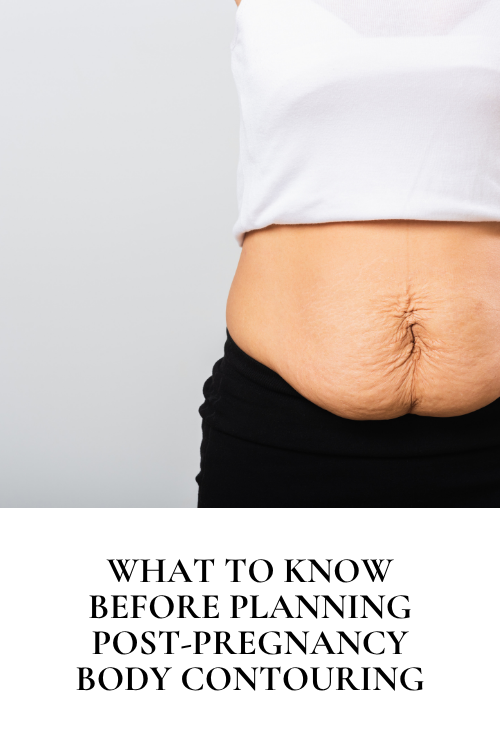
Post-pregnancy contouring is a category, not a procedure. One person needs muscle repair and skin removal with very little fat work. Another has good abdominal tone and wants volume restored up top. Someone else needs the flanks addressed before the front will look right at all. The honest version of the consultation involves an examination, a discussion of what your skin elasticity will allow, and a frank conversation about which pieces can be safely combined in one anesthetic. Longer operations carry more risk, so a surgeon who stages your work across two sessions is often being careful rather than greedy.
Getting Your Body Ready Before the Date
Preparation is the part you actually control, and it pays. Health services now talk about prehabilitation: going into an operation stronger so you come out of it faster. NHS inform puts it plainly, noting that activity, steady weight management and cutting tobacco and alcohol lower surgical risk and speed recovery. Add protein, iron, sleep where you can find it, and a core that has been gently reconditioned by a pelvic health physiotherapist. Parents who do this groundwork tend to describe an easier first week, and the difference is not small.
Recovery Runs on Someone Else’s Schedule
Here is where parenthood complicates everything. Lifting restrictions last weeks, drains may stay in for days, and you will be hunched and slow for a while. A newborn is manageable with help; a toddler who climbs you like furniture is not. Line up two weeks of genuine assistance before you book anything, and be specific about it, down to who does school pickup on day four. Then plan the quiet version of your household: simple meals, screens allowed, standards lowered. Recovery goes badly when a parent tries to be the parent they were the week before surgery.

What a Realistic Result Looks Like
Contouring removes skin and fat and repairs separated muscle. It does not make you twenty-four, and it does not deliver the body in the clinic’s best photograph, because that body belonged to someone with different proportions and a different starting point. Scars are permanent, and an abdominoplasty scar is long, low and real, even when it fades well. Swelling hides the outcome for months, and the final shape usually settles somewhere between six months and a year. Patients who understood all of that in advance are, almost without exception, the happiest ones at the one-year mark.
Going In With Clear Eyes
Take two consultations, maybe three. Ask what is not included, ask what could go wrong and how often it does, and ask what the surgeon would recommend against in your case. Pay attention to whoever answers the awkward questions without softening them.
Then look at the rest of your life for a minute. The logistics of leave, childcare and getting back to work deserve as much planning as the operation, and the advice parents share about heading back to work after maternity leave translates surprisingly well.
There is no deadline here. The procedure will be there in a year, and so will the surgeon, and the version of this decision made calmly tends to be the one people are glad about later.
For more on this topic, check out the full Pregnancy Through Postpartum collection