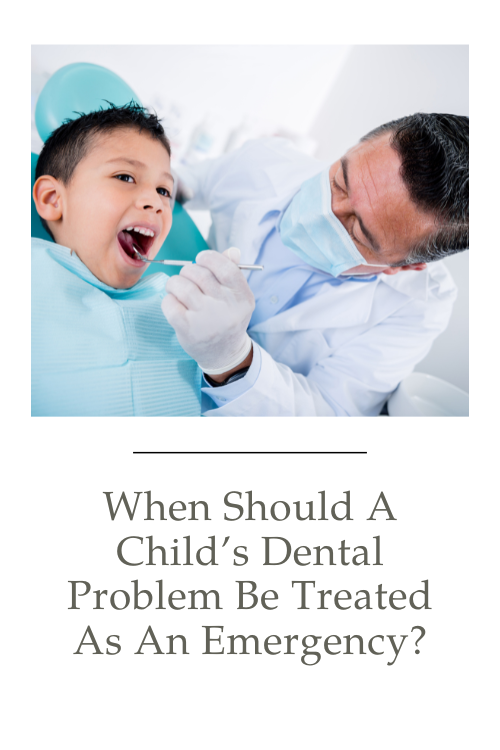
 Sudden dental pain or mouth injuries in kids can catch any parent off guard. Knowing when to act fast keeps small problems from becoming severe complications. Early intervention preserves natural teeth and protects physical wellness. Parents who recognize warning signs can prevent painful oral complications.
For more on this topic, check out the full Staying Healthy collection
Identifying Urgent Dental Scenarios
Mouth pain ranges from mild discomfort to severe distress. When a child is experiencing a dental emergency, swift action makes a huge difference in saving teeth. Immediate evaluation helps prevent long-term damage and stops infections from spreading.
Watch out for sudden, intense throbbing that keeps a young one awake at night. Swelling in the gums or face points to a severe underlying issue that requires professional intervention. Redness accompanied by body fever often indicates an infection requiring prescription antibiotic care.
Unresolved mouth pain impacts school attendance, eating habits, and sleep quality. Families should seek professional assessments whenever pain stops a youngster from eating regular meals. Prolonged discomfort indicates deep nerve damage.
Knocked Out Permanent Tooth Protocol
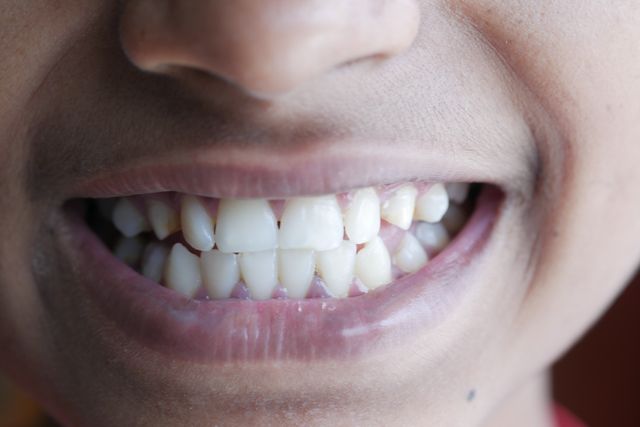
Permanent teeth knocked clear out of the socket need attention immediately. An emergency clinical guide highlighted that saving an avulsed adult tooth relies on how quickly it gets replanted. Parents must handle the tooth carefully by the top crown, avoiding the sensitive root area completely.
Rinse the tooth gently with milk or saline if dirt covers the surface. Never scrub the tooth root or wipe it with cloth towels. Scrubbing damages fragile tissue fibers that help the tooth reattach.
Store the tooth in a small container of cold milk during transport directly to the dental clinic. Reimplantation works best within a short 30 to 60 minute window. Quick action preserves the jawbone structure surrounding the root.
Managing Severe Soft Tissue Damage
Lacerations to the tongue, cheeks, or gums occur during playground falls and sports activities. Applying firm, constant pressure with clean gauze helps control local bleeding. Minor scrapes usually stop bleeding within a few minutes.
Bleeding that continues after 15 minutes of firm pressure requires urgent medical care. Large open cuts might need stitches to heal properly and prevent secondary infections. Deep wounds can collect food debris if left unstitched.
Keep the young patient sitting upright to prevent swallowing blood. Ice packs wrapped in cloth help decrease facial swelling and ease discomfort during transit. Cool compresses slow blood flow to injured oral tissue.
Head Trauma And Facial Injuries
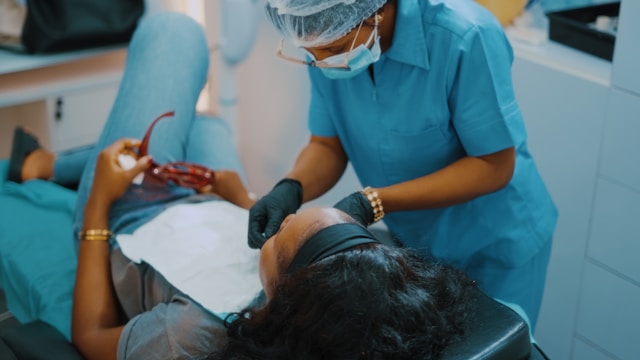
Accidents during sports or play frequently cause impact to the mouth and jaw area. A children’s health hospital resource pointed out that head injuries accompanying mouth trauma require direct emergency room visits. Medical doctors must evaluate potential concussions before dental repairs begin.
Dizziness, vomiting, or confusion alongside mouth injuries demand immediate emergency hospital treatment. Prioritize general physical stability before addressing minor tooth chips or alignment problems. Neurological safety always takes precedence over cosmetic tooth fixes.
Keep the child calm and still during transportation. Avoid giving food or liquids until medical personnel complete a full physical examination. Restricting food protects the stomach if emergency surgery becomes necessary.
Financial Pressures And Delayed Care
High treatment costs sometimes make families postpone routine office visits. A non-profit child advocacy report showed that families frequently skip preventive visits and end up waiting until a full crisis occurs. Regular checkups cost significantly less than urgent late-stage care.
Delaying treatment turns minor cavities into painful abscesses that require complex procedures. Establishing a dental home early reduces emergency visits. Preventive care keeps teeth strong and pain-free.
- Persistent toothaches that resist basic pain relievers
- Uncontrolled bleeding from the tongue, lips, or inner cheeks
- Visible cracks or fractures exposing internal pink tooth pulp
- Loose permanent teeth caused by sudden direct impact
Recognizing acute oral injuries protects young smiles for years to come. Staying prepared with local clinic numbers allows rapid action during critical moments. Quick responses give children the best chance for full recoveries.
For more on this topic, check out the full Staying Healthy collection