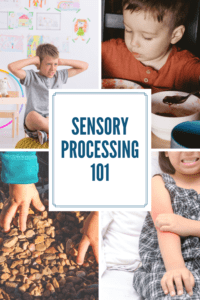
According to WebMD.com, “Sensory Processing Disorder is a condition in which the brain has trouble receiving and responding to information that comes in through the senses.” I have read studies that say anywhere from 1 in 20 kids, to as many as 1-6 kids, struggle with SPD. But no matter the correct number, it seems to be growing. Whether by diagnosis or by educating parents to have their children tested, it seems SPD affects a lot of people around us. Continue reading below for an in-depth look into the symptoms of SPD….
 My daughter B has a sensory processing disorder that impacts the way she experiences the world. B is not autistic, at least not by today’s standards. But many of her sensory and anxiety issues are typical of autism. Until recently, children presenting her behaviors remained unclassified and untreated because in so many ways, B is “normal”. She’s highly articulate, charming, and smart as a whip. She also couldn’t pull a shirt over her head until she was nearly five and only recently began walking on her heels. She will go from the happiest kid in the room to a sobbing mess in a nanosecond because of a loud noise or an open banana – apparently bananas are the foulest smelling things on the planet. Continue reading below to learn how to find balance as a special needs family….
 Kids are curious. Very curious. And we like that, we want that, we encourage that. Curiosity leads to interest, to learning, to an engaged child. But what if it leads to something else? Is that curiosity actually masking anxiety? Continue reading below to discover how you can identify anxiety in children through the questions that they ask.

 Featured Contributor: Dana Baker
 Rachael shared with us her personal and emotional story about her two daughters that have SPD (sensory processing disorder) and anxiety. You can read