 Sports participation plays an important role in the development of children. Sports can serve a variety of purposes for children. While there are some activity risks, there are many more benefits which include:
- Being physically active can help young athletes develop and maintain their coordination and mobility.
- Children who play on a team or for a club can also learn essential social skills that can be useful in their future life. For instance, teamwork, respect for each other, and effective communication are all skills that a child can develop when playing sports.
- Through sports, children also get a sense of self-discipline. They get to learn that the only way to improve their performance is through hard work.
- The attitude of a high achiever can be developed through sports too, even if it can be applied to other parts of their life later on.
- Playing sports is also a natural stress relief, which can boost children’s mental health.
According to researchers, children who participate in extracurricular activities such as sports are more likely to be more successful in their studies and as professional adults. Yet, sports participation is not without risks. Therefore, it is essential to help your child stay strong and healthy as a parent.
For more on this topic, check out the full Sports collection
Teach your child to describe and express pain
Children tend to be more active than adults. As a result, it’s not uncommon for them to collect bruises and cuts as they play. However, encouraging children to talk about the physical pain they experience is an important lesson. Indeed, injuries can often occur as a result of physical tiredness or straining. Therefore, trainers and parents must make it a priority to ask children how they feel. Little ones may not know how to express pain clearly. But, it is worth spending time asking leading questions with younger children who may not know how to tell they are feeling unwell or exhausted. Being the voice of reason for young children is crucial as they may not know when to stop. Introducing conversations where they can find ways of expressing their physical discomfort is important.
Keep an eye on the sports facilities and practices
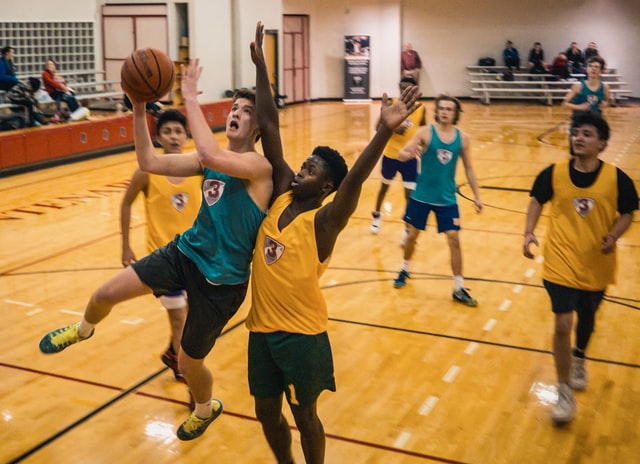
Children are not always aware of the risks around them. Young athletes are the first to notice when their gear gets uncomfortable or damaged. But, they may not know whether the basketball hoop in their local club is safe to use. It is the responsibility of adults, trainers and parents, to ensure that the facilities used meet safety standards. Indeed, parents are more likely to seek a personal injury lawyer for hire if a child gets hurt as a result of improper maintenance.
It can also be helpful to teach children how to identify safety issues so they can avoid injuries. This could include:
- Checking suspicious-looking or worn-out facilities
- Avoiding wet patches
- Recognizing signs of rust and other potential risks in sports facilities
- Informing adults such as a coach or parents about issues
Provide proper diet for their developing bodies
Unfortunately, when it comes to nutrition, there is no such thing as one size fits all. Children and teenagers who are still growing can benefit from a tailored nutritional plan to support their athletic activities. Meeting with a trained dietician such as a Certified Specialist in Sports Dietetics can provide insights into what your child requires. It is important to remember that children have different calories requirements than adults. While getting the right amount of protein is important for athletes of all ages, your child also needs plenty of nutrients to support their growth and development.
As the parent of a young athlete, these are important signs to look for in order to avoid nutrition mishaps:
- Extreme fatigue, which could indicate that your child’s calorie needs are not met properly
- Disruption of hormonal cycles for teenagers, such as a female athlete missing out on her period
- Digestive disorders which could indicate food intolerance or allergies
- Unhealthy swaps for high sugar or high fat foods
Mental health support is also indispensable for young athletes
Teenagers are more prone to unrealistic body expectations. As a result of hormonal transformations, your child may find it hard to make peace with their changing body. They may try to overtrain to reshape their body, or choose to reduce their food portions to regain control of their silhouette.
Eating disorders and body dysmorphic disorders are more likely to develop during adolescence. Teens can turn to sports as a way of coping with their new bodies. However, they may also use sports as a punitive behavior to turn back their body to how it used to look like when they were children. If you notice any abnormal behavior, it can be helpful to discuss the topic with your child and reassure them that changes are normal.
Young athletes can have a tumultuous relationship with sports, which is why it is essential for parents and trainers to guide them through their sports journey.
For more on this topic, check out the full Sports collection