Water safety for kids becomes a much bigger issue for those of us on the East Coast in the summer months – compared to those of you who may live in warmer weather year-round. This means that headed into pool season, it is always good to remind ourselves to be aware & prepared. Below is a list of common concerns when it comes to water safety partnered with some resources…
For more on this topic, check out the full Summer Safety & Activities collection
Throughout these posts, we are talking about all things Summer Safety. These posts contain information and resources that I have been able to compile as a fellow parent, but I am not a medical professional, and you should always seek professional help for any concerns. I also encourage you to use these resources as a starting point and do more research on any of your particular concerns as well. All of that being said… it’s summer, have fun!
Signs of Drowning in Kids
It is important to spread awareness that drowning does not necessarily look the way that it is presented in movies. People who are drowning are not able to call for help or wave their arms; the body is focusing on trying to get any gasps for air that they possibly can. When drowning, a person’s head will bob up & down trying to get the mouth above water before sinking again. It is also instinct for a person’s arms to go out to the side & try to press down on the surface of the water. When drowning, the body resorts to instinctive movements, & there are not conscious thought patterns or purposeful movements or speech. It is strictly survival mode, & people are not able to reach out for help.
“Sometimes the most common indication that someone is drowning is that they don’t look like they’re drowning. They may just look like they are treading water and looking up at the deck. One way to be sure? Ask them, “Are you all right?” If they can answer at all—they probably are. If they return a blank stare, you may have less than 30 seconds to get to them.” – Slate.com
Signs of Dry Drowning
Information about dry drowning (or secondary drowning) is thankfully making it’s way around the internet, raising awareness to this issue.
“With dry drowning, water never reaches the lungs. Instead, breathing in water causes your child’s vocal cords to spasm and close up after he’s already left the pool, ocean, or lake. That shuts off his airways, making it hard to breathe.” – WebMD.com
“Secondary drowning happens a little bit differently. Your child’s airways open up, letting water into his lungs, where it builds up, causing a condition called pulmonary edema. The result is the same: trouble breathing.” – WebMD.com
The scary thing about these issues is that they can have a delayed effect where you may not see symptoms until up to 24 hours later. Symptoms may include trouble breathing, chest pain, coughing, & feeling very tired. Of course, children who have been swimming all day may display signs of being very tired & irritable anyway so it is something to keep an eye on & check with a doctor if you have any concerns. These situations are very rare, but it is always good to be aware.
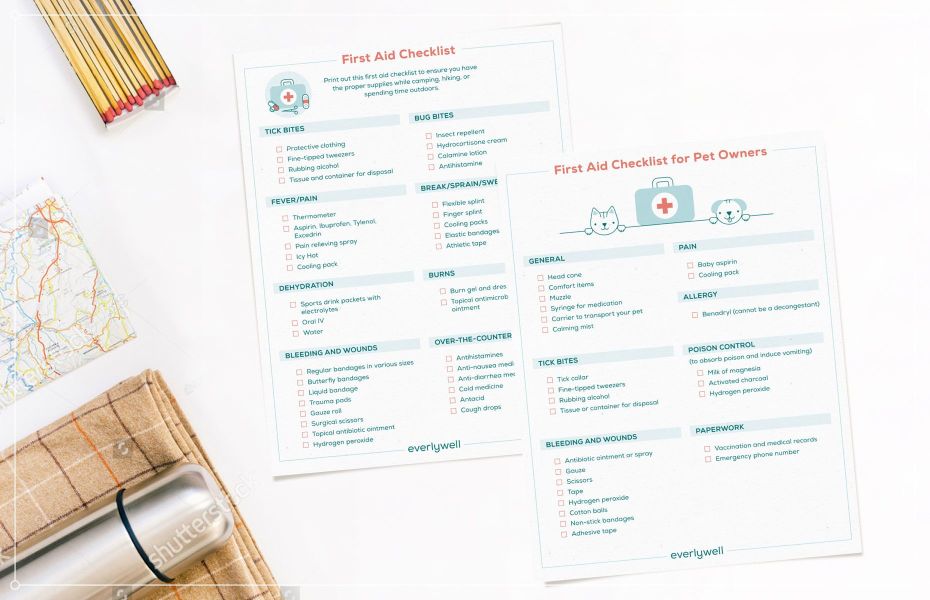
First Aid Checklist Printables for the Summer
Swimmer’s Ear in Kids
Swimmer’s Ear is common over the summer because water can stay in the outer ear canal & breed bacteria. The best treatment is to prevent the condition from occurring or getting worse. There are prescription ear drops available for later stages of swimmer’s ear, but you can also create an ear drop solution to be used regularly at home to prevent this condition.
Ear Drop Solution Recipe: Half white vinegar & half rubbing alcohol
Read more about symptoms & treatment here…
Life Jackets for Kids
Whether you are heading out on a boat or simply going to the neighborhood pool, proper life jackets are so important!
Life Jacket Safety Checks:
- U.S. Coast Guard approved life jacket
- Products packaging often states when a life jacket is Coast Guard approved
- Make sure the life jacket fits properly
- Have child lift their hands above their head. If the life jacket, hits the child’s chin or ears, it might be too big.
- Make sure that the straps are tightened well
- Check the weight minimums & maximums for your child’s particular life jacket
Our family’s top pick for life jackets are the puddle jumpers. The puddle jumper shown below is U.S. Coast Guard approved, & they are so comfortable for kids! My boys hated wearing life jackets until we found these. They help them swim more naturally & give them more control over their bodies. Some traditional life jackets tip your forward making it hard to keep your head above the water, & arm floaties by themselves can be very dangerous because they can fall off or deflate. These puddle jumpers combine the chest flotation with the arm floaties so that kids can get around & stay safe.
You can purchase a puddle jumper via our Amazon affiliate link…

Pool Floats can be dangerous
Rafts, inflatable boats, tubes, etc can be a lot of fun to play with in the water, but they can be dangerous! People can get stuck under rafts, lose their bearings, & have trouble resurfacing. Inflatables seem lightweight & easy to maneuver, but if you are underneath one of them, you can’t press it up off your head because you don’t have any leverage to press against (you just sink down instead of the inflatable going up).
If you are using these types of toys & rafts, be extra vigilant about watching your children. They can be a lot of fun, but as with anything else… caution is needed.
[ Read: How to Prepare for the Pool as a Family ]
Boating with Kids
Life jackets are crucial any time you are going boating, but it is also important to teach your kids general boat safety before heading out.
Boat Safety to Review:
- Don’t lean over too far (you could fall over or if you are in a kayak/canoe you could capsize it)
- Remember that there is a boat motor (you cannot jump off the back or dip a toe in off the back of the boat if there is a motor running)
- Ropes are not toys (there could be waterskiing rope, tow ropes, or dock ropes in the boat, & they can be dangerous to get tangled up in)
- Children must wear life jackets at all times
- Floating paddles/oars should be on the boat as back ups
- Do NOT swim under the boat
For more information, you can download the Coast Guard Foundation’s Boating Safety Guide here…
For more on this topic, check out the full Summer Safety & Activities collection