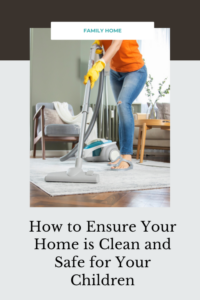
 Keeping a clean and safe home is essential, especially if you have children. Children are curious and adventurous, making them more vulnerable to accidents and illnesses caused by unclean household conditions. As parents, we are responsible for creating a healthy living environment for our children. This guide will discuss the importance of maintaining a clean and safe home for your children and provide some tips on achieving this.
For more on this topic, check out the full Family Home collection
Regularly Inspect Your Home for Pests
Pests can pose a significant health risk to your children, as they can spread disease and contaminate food sources. Regular inspections in all areas of your home, especially those less trafficked, like attics or basements, are essential in early detection. Look for signs of pests such as droppings, nests, or property damage.
If you identify any evidence of an infestation, it’s important to act promptly. According to the folks at a company that offers pest control in Greenwich CT, you might want the services of professionals to ensure the effective and safe removal of pests from your home. Utilizing environmentally safe methods to eradicate pests will ensure your children’s and pets’ safety. Educate your children about the importance of not touching insects or rodents and explain why pest management is necessary for maintaining a healthy home.
Another consideration is termites. Finding proper termite control services is key to making sure your home is fully protected.
Keep Your Home Clean and Tidy
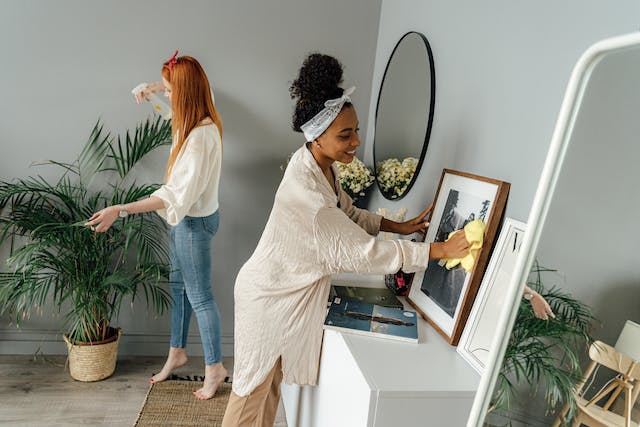
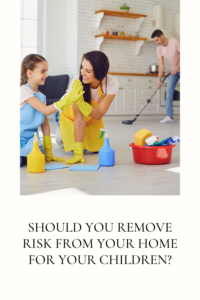
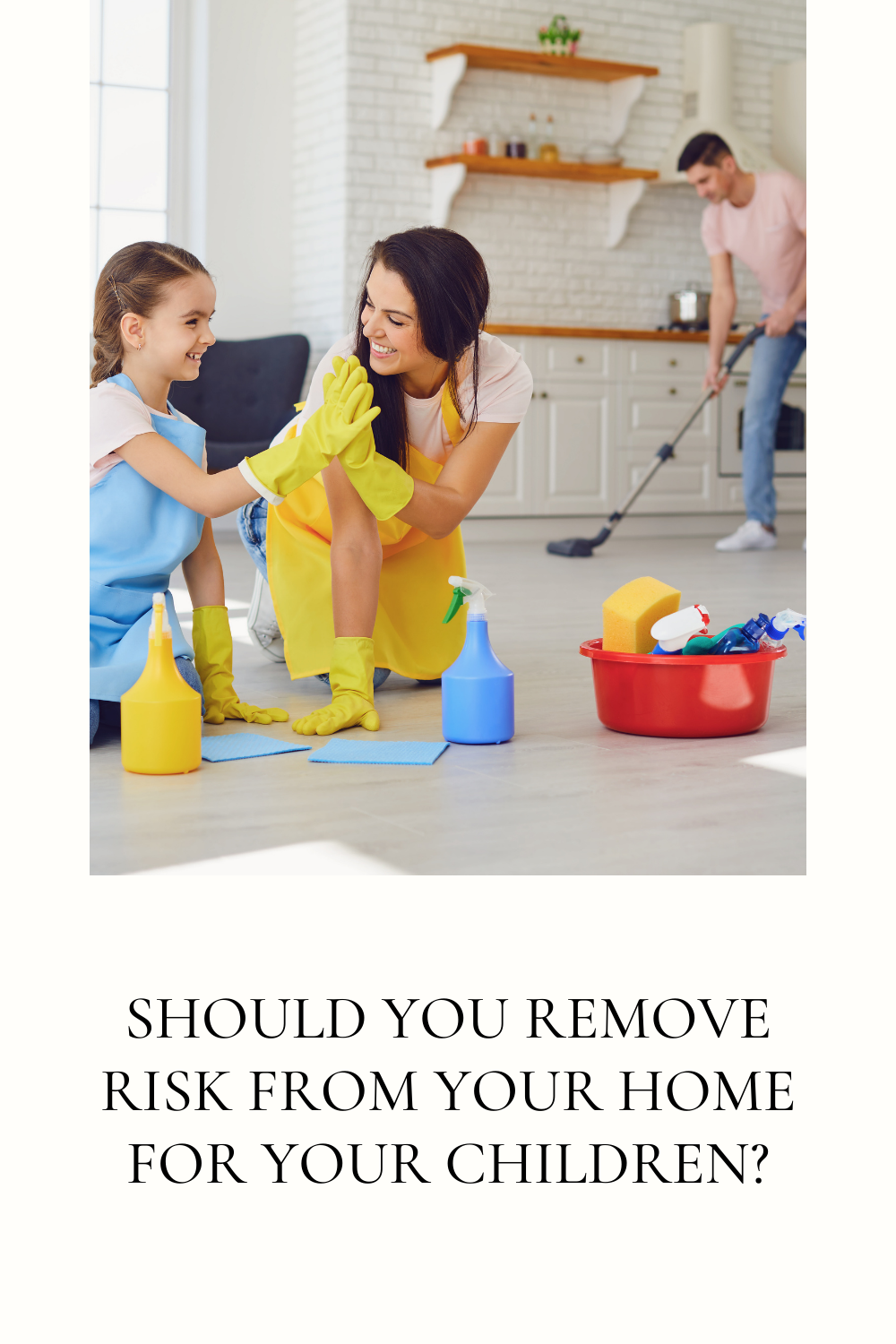
A clean and tidy home significantly decreases the likelihood of injuries and reduces the spread of germs. Implement a regular cleaning routine, including disinfecting surfaces, vacuuming carpets, and washing bedding to mitigate allergens and bacteria. Ensure that toys and play areas are routinely sanitized, as these are common germ transfer points for children.
Encourage your children to participate in age-appropriate cleaning tasks, instilling the value of tidiness and responsibility. Additionally, decluttering spaces promotes a sense of calm and prevents accidents by removing potential trip hazards. Maintaining cleanliness and order safeguards your children’s health while creating an inviting and harmonious living space.
Practice Proper Food Storage and Waste Disposal
Proper food storage and waste disposal are crucial in preventing children from coming into contact with harmful substances. Ensure that all food is stored correctly to avoid cross-contamination and spoilage. Teach your children the importance of not consuming expired or spoiled food to avoid potential food poisoning.
Additionally, establish a routine for garbage disposal, ensuring that all trash is properly secured and taken out regularly. This will prevent attracting pests and keep harmful bacteria from spreading within your home. Educate your children on the proper way to handle waste and instill in them the importance of keeping their surroundings clean.
Regularly Check for Safety Hazards
Children are constantly exploring, making it important to check your home regularly for potential safety hazards. This can include loose wires, sharp corners, or unstable furniture. Make necessary repairs and adjustments to ensure your children are not at risk of injury.
Ensure all cleaning products and chemicals are stored out of reach of children. Consider using childproof locks to secure cabinets and drawers containing these items. Regularly check for any damaged or expired products and dispose of them properly.
Clean and Safe Home Conclusion
Remember, a child-safe home is not just about restrictions and cleanliness. It’s about fostering an environment conducive to play, creativity, and learning. By employing these strategies and continuously adapting them as your children grow, you can provide a secure foundation for their development. A clean and safe home is a loving home. Now it’s time to roll up your sleeves and get to work, knowing every sweep, wipe, and declutter is an act of love for your little ones.
For more on this topic, check out the full Family Home collection
 It is always important to think about how you can look after your home, and make it stand out, and one of the best things you need to consider is how to make your home look smarter. There are so many things that you can do that are going to allow you to improve your property, and make the best possible changes that will allow you to work toward long-term success.

 You might have slept in a Murphy bed before. If so, you know they can be surprisingly comfortable. That’s assuming you buy the right one or visit somebody who has purchased a high-quality model.

 Embarking on a weight loss journey can be daunting, but it’s essential to a healthier and more vibrant life. Shedding excess pounds enhances your physical appearance and bolsters your overall health, reducing the risk of chronic diseases and increasing your energy levels. Although it requires commitment, perseverance, and a shift in lifestyle habits, the transformative results are worth the effort. This guide provides practical and actionable tips to ignite your weight loss journey, empowering you to make positive changes that lead to long-lasting results.


 Children are famously curious and inquisitive. As they learn about the world around them, they’ll constantly explore and experiment, experiences which help them grow and mature into adults.
 One of the most exciting aspects of

 Sensory issues are common among individuals, particularly those with conditions such as Autism Spectrum Disorder (ASD), Sensory Processing Disorder (SPD), and Attention Deficit Hyperactivity Disorder (ADHD). These issues occur when the brain has difficulty receiving and responding to information that comes in through the senses. Understanding these sensory challenges and exploring potential remedies can significantly improve the quality of life for affected individuals.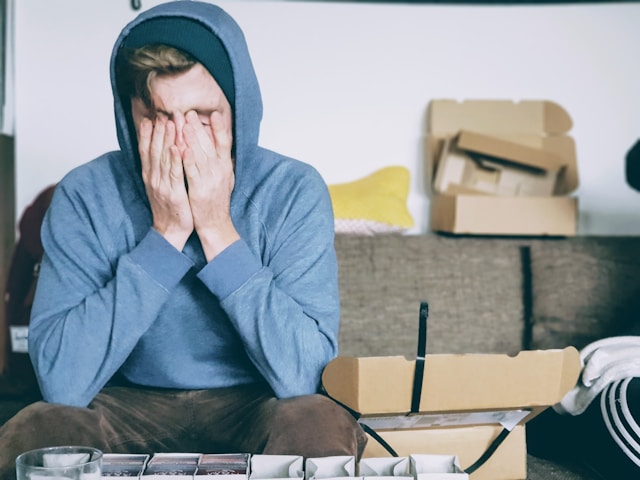

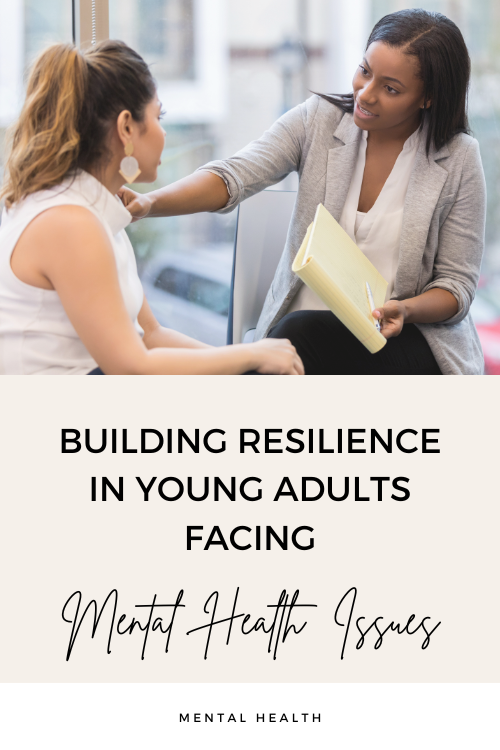
 Many young adults today are dealing with mental health problems. As they grow up and face life’s challenges, lots of them struggle with things like worry, sadness, and stress. But there’s good news. By becoming more resilient, young adults can better handle these tough times and even grow stronger.


 It is vital to keep the roof over your family home in Louisville in the best possible condition to protect your loved ones from the dangers of the outside world. Your roof is your barrier against the rain, snow, wind, hail, and harsh Kentucky UV rays, and as such, you need top-notch