 Dealing with trauma is complicated. On one hand, you have difficulty even understanding the trauma you’ve gone through. On the other hand, you feel like you understand it all too well and wish it never happened from the get-go. It can truly be one of the most difficult and frightening things anyone could ever deal with.
Realistically speaking, trauma is something that is best dealt with at the hands of a professional. Through the following types of therapy, one can get the right care they need to understand, accept, and handle past trauma.
For more on this topic, check out the full Tough Times collection
1. Eye Movement Desensitization and Reprocessing Therapy (EMDR)
Unlike your typical talk-based therapy, EMDR involves eye movements and/or tapping while focusing on a trauma-related image. The intent of this type of therapy is to assist the brain with processing and healing from trauma as naturally as possible without forcing emotions, thoughts, or behaviors to change.
2. Cognitive Behavioral Therapy (CBT)
A CBT treatment program is quite common and successful for those dealing with trauma or anxiety. The purpose of a program like this is to recognize one’s poor thought processes and find ways to change those modes of thinking.
As a result of cognitive changes made through CBT, the client can then work towards making positive behavioral changes and how they generally respond to traumatic thoughts or the symptoms their body experiences due to the trauma/anxiety.
3. Trauma-Focused Cognitive Behavioral Therapy (TF-CBT)
This form of cognitive behavioral therapy is focused on healing the trauma of children and teens specifically. Some of the key components of this type of therapy include cognitive coping, relaxation, and trauma narration. This type of therapy also generally includes the parents or families of the client to help with the healing process.

4. Cognitive Processing Therapy (CPT)
After dealing with a traumatic situation, one’s view of themselves, others, or the world around them can certainly shift for the worst. In Cognitive Processing Therapy, the goal is to help the client work through their negative or irrational thoughts and instead replace those with more rational, positive beliefs, thus, making handling the trauma easier and less debilitating.
5. Prolonged Exposure Therapy (PE)
Prolonged Exposure Therapy is a type of CBT. What makes this type of therapy unique is that it mainly focuses on changing behavioral aspects. The point is to get the client to become less sensitive to the trauma they’ve dealt with and become less fearful towards the symptoms they face as a result.
Some examples of things one might do in Prolonged Exposure Therapy include describing their traumatic event in detail, frequently coming in contact with aspects or people associated with the trauma they’ve experienced, and creating uncomfortable physical sensations related to the trauma that aren’t actually harmful to the body.
Conclusion
Healing from past trauma is no walk in the part. The good news is, therapy has been proven to be quite effective for those who struggle with trauma. With different forms of therapy options out there for those dealing with trauma, there are multiple options for professional help for them to turn to.
For more on this topic, check out the full Tough Times collection

 Expecting a baby soon but haven’t decided on a name yet? Want to start a family in the future but stuck on the process of coming up with names? Don’t worry–this is pretty common!

 It seems like a contradiction, doesn’t it? How can relaxing be key to being productive? Surely if you’re taking time out to relax, that’s time you could be using to get things done?


 Depression among teenagers is not simply a phase; it’s a serious mental health issue that deserves attention and intervention. As adults, it can sometimes be hard to understand the depth of despair that a teen might be going through. In this era, teens are more exposed to a variety of stressors that can lead to depression, including academic pressure, social anxiety, and cyberbullying. Recognizing the signs of depression in teenagers and knowing how to help can make a profound difference in their lives. This guide aims to provide useful insights and practical advice on how to support a teen struggling with depression.


 Looking to give your child’s room a makeover? Well, you’re in the right place! This blog post is packed with creative, fun, and inspiring decor ideas for kids’ bedrooms. It is going to guide you through some inventive ideas that will transform your kid’s space into a room they will love, fostering their imagination and creativity.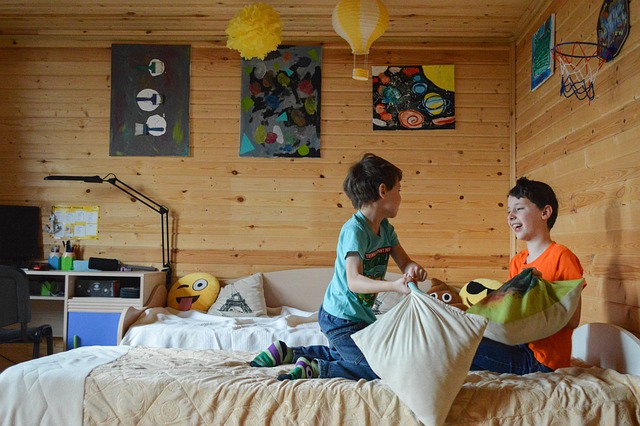


 Contrary to popular belief, children are not immune to the consequences of high cholesterol, and understanding the underlying causes is important in addressing this burgeoning health issue.

 In today’s society, mental health is a topic that nobody wants to talk about. Almost everyone has been touched by mental illness in some way through a friend, family member, or acquaintance. Unfortunately, the majority of people do not know how to handle themselves when dealing with their issues and taking care of their families. So here are some tips to help.

 Parent Self Care

 Nail care enthusiasts are often on the lookout for innovative ways to achieve a salon-quality manicure at home. Dip powder nail kits have risen in popularity due to their promise of a long-lasting and glossy finish. They have particularly caught the eye of beginners who are keen to replicate professional results without frequent salon visits. Dip powder nails are marketed as an accessible alternative to traditional nail polish or gel, claiming to offer increased durability and strength.