• Skip to main content

Adore Them Parenting

Practical Positive Parenting Advice and Resources

Practical Positive Parenting

Go here for our book!

  • About Us
  • Our Book
  • Parenting Advice
    • Raising Children
    • Family Life
    • Seasonal
    • View All Topics
  • Free Printables
  • In the Media
  • Shop

Karissa Tunis

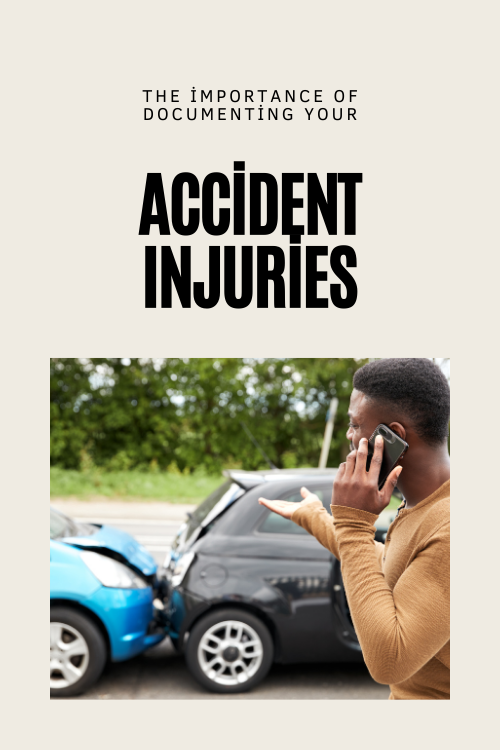
The Importance of Documenting Your Accident Injuries

car accidentIn the aftermath of an accident, the importance of documenting your injury cannot be overstated. Proper documentation is essential for building a strong personal injury claim, helping you secure the compensation you deserve for your injuries and losses.


For more on this topic, check out the full Travel Tips collection


Why Documentation Matters in Personal Injury Claims

Documentation plays a critical role in personal injury claims for several reasons:

1. Establishing Liability

One of the primary goals of a personal injury claim is proving another party is at fault for your injuries. Documentation helps establish liability by providing concrete evidence of the incident and its consequences. This can include photographs of the accident scene, witness statements, and police reports, all of which contribute to a clearer understanding of how the accident occurred.

2. Supporting Your Claims for Damages

In a personal injury case, you may be entitled to various forms of compensation, including medical expenses, lost wages, and pain and suffering. Thorough documentation is vital for substantiating these claims. Medical records, bills, and receipts provide evidence of your expenses, while documentation of missed work and other losses can help support your claim for lost income.

3. Strengthening Your Case Against Insurance Companies

Insurance companies often aim to minimize payouts by challenging the validity of claims. Having comprehensive documentation can counteract their efforts. When you can present clear, organized evidence of your injuries and related costs, you are in a stronger position to negotiate with insurers and advocate for a fair settlement.

4. Facilitating Legal Representation

If your case requires legal action, detailed documentation will aid your attorney in building a robust case. Lawyers rely on evidence to formulate legal arguments, and having well-organized documentation can streamline the process of preparing your case for court if necessary.

tree fell on car

How to Effectively Gather Evidence

Gathering evidence requires a proactive approach, especially immediately following an accident. Here are key steps to effectively collect and document evidence:

1. Seek Medical Attention Immediately

The first step after any injury should always be to seek medical attention. Not only is this vital for your health, but obtaining a medical evaluation ensures that there is an official record of your injuries. Be sure to follow all medical advice and keep all appointment records, as these documents will be crucial later in your claim.

2. Document the Scene of the Accident

If possible, take photographs of the accident scene as soon as it is safe to do so. Capture various angles and perspectives, including:

  • The location: Show the surroundings and any relevant signage, signals, or landmarks.
  • Vehicles or parties involved: Document all vehicles or individuals involved in the accident.
  • Conditions: Capture weather conditions, road conditions, or any hazards that may have contributed to the accident.

3. Collect Witness Information

If there are witnesses to the incident, gather their contact information and, if possible, ask them for a brief written statement about what they observed. Witness testimony can significantly bolster your claim by providing an independent account of the event.

4. Keep a Detailed Injury Journal

Maintaining a journal can be an invaluable tool in documenting your recovery process. In your journal, include:

  • Daily pain levels: Note any changes in your pain or symptoms.
  • Treatment details: Record information about medical treatments, therapies, and medications.
  • Impact on daily life: Document how your injuries affect your ability to perform daily activities, work, and engage in hobbies.

5. Gather Medical Records and Bills

Request copies of all medical records related to your injury. This includes:

  • Emergency room visits: Reports, treatment notes, and discharge instructions.
  • Doctor’s visits: Notes from follow-up appointments, diagnoses, and treatment plans.
  • Physical therapy records: Documentation of any rehabilitative care you receive.
  • Medical bills: Keep copies of all bills, including payments made, as this information will support your claim for medical expenses.

6. Collect Employment Records

If your injuries have affected your ability to work, gather relevant employment records. This may include:

  • Pay stubs: To demonstrate lost wages.
  • Attendance records: Documenting missed workdays due to your injuries.
  • Employer statements: If applicable, a letter from your employer outlining how your injury has impacted your job responsibilities.

7. Preserve Evidence from the Accident

If any physical evidence from the accident exists, ensure it is preserved. This could include damaged property, clothing with injuries, or any other items directly related to the incident. Maintaining this evidence can be pivotal in establishing the circumstances of the accident.

car accident

Organizing Your Documentation

Once you’ve gathered all necessary evidence, organization is key. Here’s how to keep your documentation clear and accessible:

1. Create a Claim File

Use a dedicated folder or binder to organize all documents related to your injury claim. Include sections for:

  • Medical records and bills
  • Accident scene documentation
  • Witness statements and contact information
  • Employment records

2. Use Digital Tools

Consider using digital tools or apps to store your documentation. Scanning physical documents and storing them securely online can help ensure you do not lose critical information. Always back up your files to avoid any risk of loss.

3. Regularly Update Your Documentation

Keep your documentation current by adding new medical records, bills, and journal entries as they occur. This ensures that you have a complete record of your journey from injury to recovery and will serve as your best ally in achieving a fair settlement and obtaining the compensation you deserve.


For more on this topic, check out the full Travel Tips collection

car accident

Filed Under: Travel Tips

Halloween Safety Checklist for Parents and Kids

kids trick or treating with pumpkin over facesHalloween is one of the most exciting nights of the year for children, filled with costumes, candy, and spooky fun. However, with all the excitement comes the need for extra caution. Streets are busier, and the combination of darkness and large crowds can lead to accidents or other safety concerns. To ensure everyone has a fun and safe Halloween avoiding personal injury accidents, it’s crucial for parents and kids to plan ahead.


For more on this topic, check out the full Fall Fun collection


Costume Safety: Choosing the Right Attire

A great costume is at the heart of Halloween fun, but safety should come first when selecting or creating a costume for your child.

  1. Opt for Fire-Resistant Materials:
    • Many decorations and costumes involve candles and other open flames. Choosing fire-resistant materials can prevent dangerous accidents.
  2. Ensure Visibility:
    • Dark costumes are harder to see, especially at night. Brightly colored costumes or adding reflective tape or glow sticks to the outfit can help drivers spot trick-or-treaters from a distance.
  3. Safe Masks and Face Paint:
    • Masks can obstruct vision, making it hard for kids to see obstacles or cross the street safely. If possible, opt for face paint instead of masks. If a mask is a must-have, ensure that it fits properly and has large eye holes.
  4. Check for Tripping Hazards:
    • Make sure costumes are the right length to avoid tripping. Shoes should also fit well and be comfortable for walking long distances.
  5. Use Non-Toxic Makeup:
    • If face paint or makeup is part of the costume, ensure it is labeled as non-toxic and suitable for children’s sensitive skin. Always test a small area on the skin before applying it fully.


Trick-or-Treating Safety: Planning Ahead

Whether you’re heading out with your kids or allowing them to go trick-or-treating on their own, planning is key to ensuring their safety.

  1. Create a Route Ahead of Time:
    • Stick to well-lit neighborhoods and avoid busy streets. Plan a route in advance so kids know where they are going and parents can keep track.
  2. Set a Trick-or-Treating Time:
    • Go out during early evening hours, preferably when it’s still light. If you’re out after dark, make sure everyone has a flashlight or glow sticks.
  3. Go in Groups:
    • There’s safety in numbers. If possible, have your child trick-or-treat with a group of friends, and ideally, an adult should accompany younger children.
  4. Use Sidewalks and Crosswalks:
    • Always walk on the sidewalk, and cross the street at marked crosswalks. Remind children to look both ways before crossing the street and never dart out between parked cars.
  5. Avoid Going Inside Homes:
    • Kids should never enter a home or accept invitations inside, even if someone appears friendly. Treat pickup should be done at the doorstep.
  6. Stay in Well-Lit Areas:
    • Stick to homes that are well-lit with their porch lights on. Avoid houses with no lights or any areas that seem deserted or unsafe.

child trick or treating as ghost

Candy Safety: Inspecting Treats

One of the most anticipated parts of Halloween is going through the candy haul. While it’s fun to dig into the sweets, parents should carefully inspect all treats before kids eat anything.

  1. Examine Wrappers:
    • Check each piece of candy for tears, punctures, or signs of tampering. Discard any homemade treats unless they come from a trusted neighbor or friend.
  2. Allergy Awareness:
    • If your child has food allergies, check ingredient labels on candy. Many common treats contain nuts, dairy, and other allergens, so it’s essential to be cautious.
  3. Watch for Choking Hazards:
    • Hard candies, gum, and small toys can be choking hazards, especially for younger children. Make sure to remove any potential risks from their candy stash.
  4. Limit Candy Consumption:
    • While it’s tempting to let kids dive into their candy bags right away, encourage them to enjoy treats in moderation. Too much candy at once can cause an upset stomach.


General Safety Tips for Parents and Kids

Halloween can be overwhelming with the number of people on the streets and the various distractions. Here are a few extra tips to ensure everyone stays safe throughout the night.

  1. Supervise Young Children:
    • Children under 12 should always be accompanied by an adult when trick-or-treating. If older kids are allowed to go alone, make sure they stay in groups and check in regularly.
  2. Teach Stranger Danger:
    • Remind your children about the dangers of talking to strangers or getting into cars with people they don’t know, even if offered a ride or more candy.
  3. Stay Hydrated:
    • Walking around the neighborhood can be tiring, so make sure everyone stays hydrated. Pack water bottles to carry along the route.
  4. Prepare for the Weather:
    • October weather can be unpredictable. Check the forecast and dress kids accordingly, layering under costumes if it’s chilly or having umbrellas handy in case of rain.
  5. Carry Identification:
    • Make sure kids carry some form of identification, such as a slip of paper with their name, address, and a parent’s phone number in case they get lost.
  6. Driver Awareness:
    • For those driving during Halloween, remember to slow down and stay alert for trick-or-treaters, especially in residential areas where children are crossing streets more frequently.


Post-Halloween Safety: The Morning After

Even after the night is over, there are a few safety considerations to keep in mind.

  1. Dispose of Pumpkin Carvings and Decorations:
    • Once Halloween is over, remove any pumpkins or decorations that could attract pests or pose a tripping hazard on your lawn or doorstep.
  2. Be Aware of Sugar Overload:
    • As tempting as it is to indulge in Halloween candy over the following days, it’s important to monitor sugar intake and encourage balanced eating to avoid sugar crashes and cavities.


Conclusion

Halloween is a magical night for kids to dress up and have fun, but safety should always be a priority. By following this Halloween safety checklist, parents can help ensure that their children have a spooky yet safe evening of trick-or-treating. With proper preparation and awareness, Halloween can be a night of joy and excitement for the whole family, free from unwanted accidents or scares.


For more on this topic, check out the full Fall Fun collection


kids trick or treating with pumpkin over faces

Filed Under: Fall Fun

Indecent Exposure During Halloween: How Costumes Can Lead to Legal Trouble

scary halloweenHalloween is a time for creative expression, costume parties, and a touch of the outrageous. It’s the one night of the year when adults and kids alike can dress up as their favorite characters or push the boundaries with daring costumes. However, this freedom of expression can sometimes lead to unintended legal consequences, particularly when it comes to indecent exposure.

With Halloween comes an increase in parties, public events, and gatherings where costumes can range from modest to risqué. In the spirit of fun, some may choose to don revealing outfits or engage in playful antics that might seem harmless in the moment. However, when those choices cross the line into indecent exposure, they can result in serious legal trouble, including fines, jail time, and even registration as a sex offender. Understanding how indecent exposure laws apply during Halloween can help you avoid these pitfalls and still have a great time celebrating.


For more on this topic, check out the full Fall Fun collection


What is Indecent Exposure?

Indecent exposure is generally defined as the intentional exposure of one’s genitals or other intimate body parts in public or in a place where others are likely to be offended or alarmed. The laws vary by state. But the general idea is that it’s a crime to expose yourself in a way that is meant to shock, offend, or arouse others in inappropriate settings. Some states also include acts such as public urination or sexual activity in public under indecent exposure laws.

During Halloween, when costumes can be more revealing than usual, it’s important to remember that certain outfits, or the way they’re worn, could be considered indecent exposure if they reveal too much in a public setting. The fact that it’s Halloween doesn’t exempt you from these laws. And dressing provocatively could have consequences if it crosses legal boundaries.

scary pumpkins at night glowing

Halloween Costumes and Legal Boundaries

The line between what’s acceptable and what’s considered indecent exposure can be blurry, especially during Halloween. For example, a costume that shows a lot of skin, such as a revealing nurse’s outfit, could be perfectly fine at a private Halloween party. But if that same costume is worn in a public space, like a city street, and reveals too much of the body, it could result in legal action. If it does, do not hesitate to call a Houston indecent exposure defense attorney for uptmost legal support.

Here are some scenarios in which Halloween costumes could lead to legal trouble:

  1. Excessive Nudity in Public Spaces

    Some Halloween costumes, particularly those that are barely-there or involve strategic body paint, can expose too much skin. Even in a festive atmosphere, wearing a costume that exposes genitals, buttocks, or women’s breasts (depending on local laws) could lead to an indecent exposure charge. Public events, bars, or outdoor festivals might be more lenient on how much skin is shown. But in general, it’s best to err on the side of caution. Keep in mind that different cities and states have different standards for what is considered indecent.

  2. Wardrobe Malfunctions

    Halloween costumes, especially homemade or DIY ones, don’t always hold up well throughout the night. A costume that starts the evening with adequate coverage may shift or malfunction as the night goes on. For instance, if a revealing costume breaks or rides up during a Halloween event, accidentally exposing more than intended, it could result in legal trouble if someone files a complaint. Wardrobe malfunctions may seem like minor accidents. However, if they lead to prolonged exposure in public, they could be seen as indecent exposure under the law.

  3. Adult Themes and Public Displays

    Halloween costumes often play on adult themes. Some go as far as incorporating sexual innuendos or risqué designs. While these may be fun and provocative in private, when worn in public spaces, they could lead to issues. Especially if the costume implies or involves inappropriate behavior. For instance, costumes that simulate sexual acts or expose intimate areas of the body may not be tolerated in public venues like streets, parks, or family-friendly events.

  4. Public Urination or Inappropriate Acts

    Halloween is often associated with heavy drinking and late-night revelry. This can lead to impaired judgment. Public urination or engaging in sexual acts in public places, even if it seems like a fun, wild moment, is often classified as indecent exposure. Regardless of the costume you’re wearing or the festive atmosphere, these acts are illegal in most states. And they can result in immediate arrest and charges of indecent exposure.

Consequences of Indecent Exposure Charges

The penalties for indecent exposure vary depending on the state and the circumstances surrounding the incident. However, the consequences are often more severe than people expect. Being charged with indecent exposure can lead to fines, community service, and even jail time. More seriously, in many states, being convicted of indecent exposure can result in being required to register as a sex offender. This is a lifelong label that carries significant social and professional consequences.

For example, a person convicted of indecent exposure could face restrictions on where they can live or work. They could even lose their job, or face challenges in gaining custody of their children. The ramifications of an indecent exposure conviction can extend far beyond Halloween night. Ultimately affect your life for years to come.


How to Stay Safe and Legal While Having Fun

To enjoy Halloween without risking legal trouble, it’s essential to be mindful of how your costume might be perceived in public and to understand local indecent exposure laws. Here are some tips to stay on the right side of the law:

  • Check your costume before going out: Make sure your outfit provides adequate coverage, especially in public settings. Even if you’re going for something provocative, ensure that your costume won’t result in accidental nudity.
  • Know your audience: What might be acceptable at an adult-only party could be problematic in a family-friendly environment. Be mindful of where you’re celebrating and adjust your costume accordingly.
  • Avoid risky behavior: Don’t let alcohol or peer pressure lead you into actions that could be considered indecent. Public urination, streaking, or lewd acts, even as part of a costume, can lead to serious charges.


Conclusion

Halloween is a time for fun, creativity, and a bit of spookiness. But it’s important to remember that the law still applies, even in the most festive environments. A revealing costume or a prank that involves nudity could quickly turn into a legal nightmare if it crosses the line into indecent exposure. By understanding the boundaries of what’s acceptable and taking precautions, you can enjoy Halloween without risking legal trouble.


For more on this topic, check out the full Fall Fun collection


scary halloween

Filed Under: Fall Fun

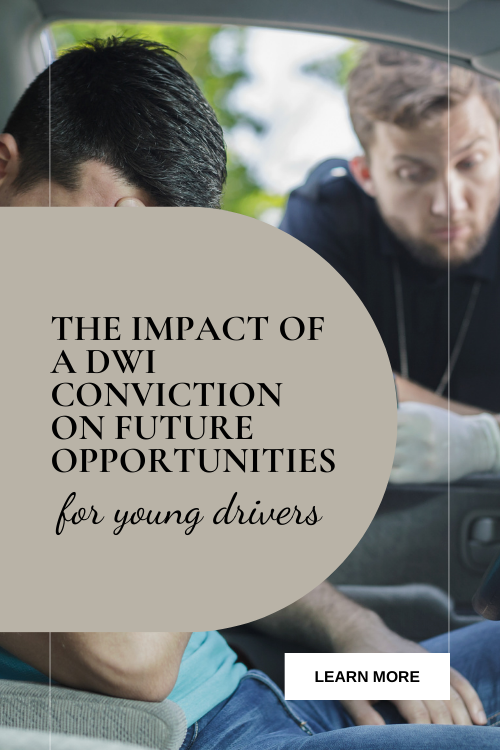
The Impact of a DWI Conviction on Future Opportunities for Young Drivers

teen boy pulled over in carA DWI (Driving While Intoxicated) conviction can be life-altering, especially for young drivers under the age of 21. As they are just starting to build their futures, a DWI on their record can have serious implications that extend well beyond the immediate penalties. From affecting higher education opportunities to impacting employment and even housing options, the consequences of a DWI can ripple through many aspects of a young person’s life.


For more on this topic, check out the full Travel Tips collection


Legal Consequences of a DWI Under 21

Underage drivers in most states face a zero-tolerance policy when it comes to drinking and driving. This means that any detectable amount of alcohol in their system can lead to a DWI charge. For drivers under 21, a DWI conviction often results in harsher penalties than it would for older drivers. These may include:

  • License Suspension: Most states impose a mandatory suspension of driving privileges for a certain period. This can range from several months to a year, making it difficult for young drivers to get to school, work, or other activities.
  • Fines and Court Fees: Young drivers will need to pay various fines and court fees. The financial strain can be especially challenging, as many under-21 individuals may be in school or working entry-level jobs.
  • Mandatory Alcohol Education Programs: These courses are designed to educate young drivers on the dangers of alcohol and driving. However, they require time and may incur additional costs.
  • Potential Jail Time: While this is less common for first offenses, it is a possibility depending on the jurisdiction and the circumstances of the offense.

Beyond these immediate penalties, the longer-term impacts of a DWI conviction can be just as severe, affecting various aspects of a young person’s life.


Higher Education: Admission and Financial Aid Challenges

One of the first places where a DWI conviction can impact a young driver is in higher education. While most colleges do not outright deny admission based solely on a DWI, some might take it into consideration, particularly for competitive programs or those with strict conduct policies. Furthermore, many universities have disciplinary boards that could impose additional penalties, including probation or denial of campus housing.

Additionally, a DWI conviction can affect eligibility for financial aid. While federal financial aid programs do not automatically deny aid due to a DWI conviction, individual scholarships and grants may have specific conduct requirements that could be compromised. This is especially true for scholarships funded by private organizations that set their own standards for recipients. As such, young drivers with a DWI may find their educational choices more limited and costly.

stadium seating

Employment: Background Checks and Job Prospects

A DWI conviction can also complicate job prospects for young drivers. Many employers conduct background checks, and a DWI can be a red flag, particularly for jobs that involve driving or require a high level of responsibility. Industries such as transportation, healthcare, and education often have stringent policies regarding criminal records, and a DWI can make it difficult to secure positions in these fields.

Even if the conviction does not directly affect employment eligibility, it can still hinder career progression. A young person with a DWI on their record might find it harder to obtain internships, secure job promotions, or pursue certain professional licenses. Additionally, the stigma associated with a DWI can be damaging to one’s professional reputation, as employers may view the conviction as indicative of poor judgment or reliability issues.


Insurance Rates and Driving Opportunities

For young drivers, a DWI conviction can also lead to skyrocketing insurance rates. Insurance companies view individuals with a DWI as high-risk, and as such, they often increase premiums substantially. This can make car insurance prohibitively expensive, adding a significant financial burden to a young person’s budget.

In some cases, young drivers may be required to obtain SR-22 insurance, a form of high-risk insurance that is often mandated for individuals with serious driving violations. The cost of SR-22 insurance can be much higher than standard insurance, and it is typically required for several years. Additionally, certain employment opportunities that involve driving, such as delivery or rideshare jobs, may be off-limits to individuals with a DWI on their record.


Housing: Renting Challenges with a Criminal Record

Another lesser-known impact of a DWI conviction is on housing. Many landlords conduct background checks, and a criminal record can be a deterrent for some rental applications. While a DWI is a misdemeanor in many cases, it still shows up on a criminal record and may influence a landlord’s decision. Young drivers may find themselves facing additional scrutiny or even denial when trying to secure housing, particularly in competitive rental markets.

In addition to rental challenges, young drivers who live on college campuses may face disciplinary actions from their institution’s housing department, which could limit their options for on-campus accommodations. Losing campus housing can increase living expenses and add stress to a young person’s college experience.


Mitigating the Long-Term Consequences of a DWI

While the impacts of a DWI conviction can be daunting, there are steps young drivers can take to mitigate the consequences:

  1. Seek Legal Representation: Working with a knowledgeable dwi defense for the underage attorney can potentially reduce the severity of the charges or penalties. In some cases, legal professionals may be able to negotiate alternative sentencing options, such as probation or community service.
  2. Consider Expungement: Depending on the jurisdiction, it may be possible to have a DWI conviction expunged from one’s record after a certain period. Expungement can help reduce the long-term impacts on employment, housing, and other areas.
  3. Engage in Alcohol Education Programs Voluntarily: Some young drivers may find it beneficial to complete alcohol education or rehabilitation programs, even if not mandated by the court. Doing so can demonstrate responsibility and a commitment to making positive changes.
  4. Be Honest and Proactive: For young drivers who face background checks, honesty is often the best policy. Explaining the circumstances surrounding the conviction and demonstrating efforts to improve can help offset negative perceptions.
  5. Maintain a Clean Record Moving Forward: A DWI conviction doesn’t have to define a young driver’s entire future. By avoiding further legal issues and making positive choices, young drivers can demonstrate personal growth and responsibility.

Conclusion

A DWI conviction can have serious ramifications for young drivers, affecting educational opportunities, employment prospects, insurance rates, and housing options. However, by understanding these impacts and taking proactive steps to address them, young drivers can work towards minimizing the long-term consequences. With time, responsibility, and the right approach, it’s possible to rebuild and move forward toward a successful future, even with a DWI on their record.


For more on this topic, check out the full Travel Tips collection


teen boy pulled over in car

Filed Under: Travel Tips

Why Uninsured Motorist Insurance Is Essential in High-Risk States

car accidentDriving is an everyday necessity for millions of people, but what happens when you’re involved in an accident with someone who doesn’t have insurance? In high-risk states where uninsured motorists are prevalent, the answer to this question can determine your financial well-being. Uninsured motorist (UM) insurance is a crucial safeguard that protects responsible drivers from the financial fallout of accidents with uninsured or underinsured motorists. In these high-risk areas, UM insurance isn’t just a recommendation; it’s essential.


For more on this topic, check out the full Travel Tips collection


The Growing Problem of Uninsured Drivers

Despite legal mandates in most states requiring car insurance, many drivers choose to operate vehicles without it. The Insurance Research Council (IRC) reports that about one in eight drivers in the U.S. is uninsured. This national average hides even higher rates in specific states, where economic challenges, insurance costs, and lax enforcement laws lead many drivers to take the risk of driving without coverage.

In states like Florida, Mississippi, New Mexico, and Michigan, the percentage of uninsured drivers is alarmingly high. For example, Florida has over 20% uninsured drivers, while Mississippi and New Mexico each hover around 30%. In these high-risk states, drivers who follow the law and maintain proper insurance are often left vulnerable when they’re involved in an accident with someone who isn’t insured.


The Financial Risks of Accidents with Uninsured Motorists

Being in a car accident is stressful enough without worrying about whether the other driver has insurance. But when the at-fault driver doesn’t have insurance, you could be left paying for your medical bills, vehicle repairs, and other damages out of pocket. Even if you have health insurance or collision coverage, you might still face significant out-of-pocket costs.

Let’s break down the potential costs. In a typical car accident, damages can range from minor vehicle repairs to severe bodily injuries requiring extensive medical care. According to the National Safety Council, the average cost of a non-fatal disabling injury in a car accident can exceed $90,000. If the other driver is uninsured, you would be forced to cover these expenses yourself unless you have UM insurance.


What Is Uninsured Motorist Insurance?

Uninsured motorist insurance is designed to protect you when the at-fault driver lacks insurance. This coverage typically applies to medical expenses, lost wages, pain and suffering, and in some cases, property damage. In addition to covering accidents involving Charleston, WV uninsured drivers, it can also protect you if the at-fault driver’s insurance is insufficient (underinsured motorist coverage) or in hit-and-run situations where the other driver is unknown.

white car

States Where Uninsured Motorist Insurance Is Essential

High-risk states with significant numbers of uninsured motorists make UM insurance especially important. Here are a few examples of states where this type of coverage is crucial:

  1. Florida

    Florida consistently ranks among the top states for uninsured drivers, with over 20% of motorists lacking insurance. This is particularly concerning because Florida’s minimum liability requirements are low, and the state does not require bodily injury liability coverage. In an accident, even insured drivers may lack enough coverage to fully compensate you, making UM insurance a must-have.

  2. Mississippi

    In Mississippi, roughly 30% of drivers are uninsured, making it one of the highest-risk states for accidents involving uninsured motorists. Without UM coverage, drivers in Mississippi are highly vulnerable to shouldering the financial burden of someone else’s negligence.

  3. New Mexico

    With over a quarter of drivers uninsured, New Mexico is another high-risk state. Drivers here face a higher likelihood of being involved in an accident with an uninsured motorist, and UM insurance offers essential protection against these risks.

  4. Michigan

    Michigan’s no-fault insurance system is designed to protect drivers by having their own insurance cover damages regardless of fault. However, due to the state’s high insurance costs, many drivers choose to go uninsured. UM insurance is crucial for drivers in Michigan, especially since the state’s auto insurance laws have undergone recent changes that may leave some drivers with reduced coverage.

  5. Tennessee

    In Tennessee, around 20% of drivers are uninsured, which is above the national average. Uninsured motorist coverage is essential to cover medical bills and other expenses when the at-fault driver cannot.

  6. California

    Though California mandates auto insurance, the state still has a significant uninsured motorist problem, with roughly 16-18% of drivers lacking coverage. UM insurance ensures that you are protected from potentially significant financial loss in a state with heavy traffic and frequent accidents.


Legal Recourse and Limitations Without UM Insurance

In many cases, filing a lawsuit against an uninsured driver is an option. However, this legal recourse often falls short in high-risk states. Uninsured drivers typically lack significant financial assets. This means that even if you win a lawsuit, collecting on a judgment may be impossible. This is why uninsured motorist insurance is a much more reliable way to secure compensation for your losses.

Additionally, many states have strict limitations on how much compensation can be sought from at-fault drivers without insurance. This means that even a successful lawsuit might not cover all your damages. UM insurance bypasses these legal complications and ensures prompt coverage.


Protecting Yourself: Why UM Insurance Is the Smart Choice

Uninsured motorist insurance is not required in all states. But it is a smart investment for any driver, especially in high-risk states. Even in states where auto insurance is mandatory, the significant number of drivers without insurance puts everyone on the road at risk. UM insurance offers peace of mind by ensuring that, regardless of the other driver’s coverage (or lack thereof), you won’t be left paying for someone else’s mistakes.

If you live in a state with a high percentage of uninsured drivers, it’s worth talking to your insurance agent about adding UM coverage to your policy. While it might increase your premium slightly, the cost is minimal compared to the potential financial hit you could face after an accident with an uninsured motorist.

In summary, uninsured motorist insurance is essential for drivers in high-risk states. With rising rates of uninsured drivers, being prepared for the worst-case scenario will protect you and your financial future.


For more on this topic, check out the full Travel Tips collection


car accident

Filed Under: Travel Tips

How To Make Sure Your Business Doesn’t Fail

When you run a business, you’ll want it to succeed. That’s the same for any entrepreneur. No matter what kind of business they run. There’s no point in starting a business, and going through all the trials and tribulations that come with that, if you’re not going to want success from it.



And although the reality is that there’s no way to one hundred percent guarantee that your business will succeed, there are still some things you can do to help make it as successful as possible. Failure might still happen. And perhaps there’s nothing you can do about it. But if you do what you can from the start to make failure as unlikely as possible, then you’ll be doing the right thing.

But just what can you do to stop your business from failing, or even just to reduce the possibility of failure? It might seem like an impossible task. But that’s not the case. There are things you can do, and even if the outcome isn’t certain, that’s better than doing nothing at all. So, with that in mind, here are some ideas to help you make sure your business doesn’t fail.


Know Your Competition

There’s an old phrase that comes from a movie called The Godfather Part II (although it may well be a lot older than that, potentially dating back to ancient China), and it goes like this: ‘Keep your friends close, and your enemies closer’.

This is a great mantra to keep in mind if you want your business to be successful. And even if it sounds a little over the top – do you really have enemies anyway? It’s still a useful idea to bear in mind.

You may well not have enemies in the strictest sense of the word. But you will have competitors. And when it comes to ensuring your business is as successful as possible, knowing how they are and keeping up with them is crucial. They’re not exactly enemies, but keeping them close is a wise idea. If you know what your competitors are planning, how they’re marketing their products and services, their pricing strategies, their customer base, and so on, you can counter-attack (or come up with your own strategies that build on what you know and take things to the next level, in other words).

The last thing you’ll want is to avoid coping your competitors. Especially since that looks obvious and won’t get you very far. At best, people won’t use your business because someone else is already doing what you’re claiming to be able to do. And at worst, you’ll gain a bad reputation (and potentially even get into legal trouble) for stealing your competitors’ ideas. In other words, use their marketing and other plans as a jumping-off point, but do your own unique thing with the information you have.

When you’re already a step ahead, knowing your competitors is a useful tactic to boost your success.

lite up open sign

Provide A Consistently Good Service

It’s a bad idea to discount how important good customer service is when you run a business. So don’t let that be a mistake you make. Consistently good service means consistently returning customers who consistently tell other people about your fantastic business, and the more that all happens, the more success you’ll see.

Conversely, consistently (or even intermittently) bad service will have the opposite effect. You won’t get returning customers, word of mouth will be negative if it happens at all, and in the end, that will lead to failure.


Which sounds like a better option?

The great thing about this idea when it comes to putting things in place that should help to keep your business from failing is that it’s something you should be doing anyway. When you start your business, you’re going to want to serve your customers well and do what you can to help them. After all, even if the main reason for starting your business is to make money for yourself. For example, the fact is that without your customers, that’s never going to happen. So you know you need to take care of them. And if you started your business from a more selfless standpoint, it’s sure to be on your mind all the time: how can you provide a consistently good service?

If you’re not sure what it is your customers want and need, just ask them. Not only will asking them outright, sending out surveys, or running polls on social media get you the answers you need in order to improve your business. But as a bonus, your customers will appreciate the fact that you’re asking and you’re interested in their responses. Especially if you act on the feedback you’re getting and let people know that you’ve taken their suggestions on board. This will make them even more loyal and more likely to spread the good word about your business.


Step Back

This is a tough one for many business owners to hear, let alone do. But it’s vital! If you want your business to be successful and reduce the chances of failure, you need to step back from it. In other words, you need to create a business that runs without you.

This should be a goal for every business owner. And even if you start off with just you at the helm and no other team members, it can still be a goal that you reach. Having employees who you train up to take over from you might be the most obvious way to have a business that works without you, and that’s certainly a good place to start.

You can ensure everyone knows what to do by offering regular training sessions and checking in on what’s happening throughout the business. You shouldn’t micromanage things, but you can use live cinematic multicam setups to ensure you can keep up with your team even if you’re not in the office. For example, and you can delegate tasks slowly over time, to ensure you’re happy with the results before you hand over the reins.


Put Systems in Order

Alternatively, you might feel that hiring employees isn’t right for you (and it’s not right for every business). If that’s the case, but you still feel you want a business that works without you, there are options. After all, you may want to sell it at some point, or you want to retire and leave it in capable hands. Then it’s your systems that need to be in good order.

Your systems are a set of processes and tasks that have to be done in a specific way to keep your business running. They’ll be for everything from ordering more stock, to locking up the office at night. The more you have, and the more detailed they are, the better. It might feel like a tedious thing to do at the time when you have to note down every single aspect of every single job, big or small, but it will pay off in the end when you have a full set of detailed systems you can hand over to the next owner or manager who can then seamlessly take things over and keep your business a success.

people working

Be In It For The Long Haul

It might seem as though there are plenty of businesses that become successful overnight. Giving their owners the life they always wanted without any hard work or effort involved. It might seem like this is the case, but it’s not. The truth is that behind the scenes of every ‘overnight success’ there are years and years of work. Just because you don’t know about it, doesn’t mean it doesn’t exist.

So if that’s the case for them, it could be the case for you as well. You might put in years and years of hard work and then become extremely successful. The thing is, you’ll never know if you don’t try. And that’s why, if you want your business to be successful, you need to be in it for the long haul. You need to be aware that becoming successful – really successful, at least – is going to take a lot of hard work, effort, and some sacrifices to get there.

One thing to consider as part of this journey is the external hiring advantages that could help you as your business grows. Bringing in experienced employees from outside your organization can provide new ideas and specialized skills that may be lacking internally. For instance, you might need experts in marketing or finance who can guide your business in areas you’re less familiar with. By combining your hard work with strategic decisions like external hiring, you’re setting up your business for long-term success. Be patient and work hard, and you’re much more likely to prevent failure. You are also more likely to become the successful business owner you planned to be right from the start.

Final Thoughts

There are all kinds of things that can cause a business to fail. And although some of them will be in your control, otherwise won’t. You might not even be able to properly plan for them. However, you have to try. And you have to do whatever you can to prevent failure. That’s a success in its own right.


For more on this topic, check out the full Work Life Balance collection


Filed Under: Career Success

Importance of Decluttering Your Home and How to Get Started

How to Get Started Decluttering Your Home


Looking after yourself is often associated with healthy eating, exercising, and spending more time in nature. But did you know the state of your home is just as important? The environment you spend a lot of time in is going to impact your mental and physical health. If it is clean and clear, you are more likely to live life with more clarity and create a welcoming home for your family. However, if your home is messy and full of clutter, it can negatively impact how you feel. It can also mean you spend more time trying to clean around the clutter, your home gets messy more easily, and it is hard to keep track of what you own. When you have too much stuff, it can make your home hard to relax in, and keep you feeling more stressed than usual.

While decluttering is important, it can often seem overwhelming to start with. Follow these top three tips to help you declutter your home with ease.


For more on this topic, check out the full Get Organized collection


Start with 5 minutes a week

You don’t have to go crazy when you choose to declutter your home. Instead, you can get started with a simple 5 minutes per week. Choose a day, perhaps the weekend, when you don’t have any other obligations. Spend a few minutes in a room and start to think about what you can get rid of. Starting with 5 minutes per week can help you ease into it and get used to the task, without overwhelming yourself. If you can stick to 5 minutes per week, you will build a new habit and you can increase the time when you feel more comfortable.

Give away items

When you give away items or sell your old items, you are attaching more purpose to the decluttering process. Not only can you reduce stress, but you can also help the community by giving to charity. And you can earn some money from your old items as well. Make sure you research where you can sell your items, for example, there are specific sites you can use to sell vintage toys. Go through all your items and think about what items and clothes you no longer use or want anymore. You don’t have to get rid of anything that you want to keep. Decluttering is all about removing unnecessary items from your home, and it’s even better when you can do so by giving to others and participate in responsible furniture disposal.


Create a checklist

It can be helpful in the decluttering process to create a checklist for you to follow. Take some time before you get rid of anything, to take an inventory of your home and the category of items you would like to get rid of, for example, vintage toys, clothes, Tupperware, etc. You can then slowly work your way through this list, getting rid of one thing at a time. Alternatively, you can write a list of rooms to help your process, for example, you may choose to tackle your bedroom and the garage first.

The great thing about decluttering is that there is no right way or deadline. Just the process of decluttering itself can be therapeutic.


For more on this topic, check out the full Get Organized collection


Filed Under: Get Organized

The Benefits of Before and After School Care Programs for Families 

teacher with two girls at schoolAre you a working parent struggling to find reliable childcare for your children before and after school? The demands of modern life can make it challenging to balance work and family responsibilities. Fortunately, there’s a solution that can alleviate your stress: before and after school care programs.


However, not all before and after school care programs are created equal. Choosing a program that aligns with your child’s needs and your family’s values is essential. That said, this article will explore the benefits of before and after school care programs for families.


For more on this topic, check out the full Back to School collection


What Are Before and After School Care Programs?

Before and after school child care programs offer essential support to families by providing a structured and safe environment for children when parents may be working or otherwise occupied. These programs bridge the gap between school hours and family schedules, ensuring that children are cared for meaningfully. For more information, see more here.

child playing a guitar at school

Benefits of Before and After School Care

Before and after school care programs are designed to provide a safe, structured environment where children can engage in activities that support their development while allowing parents peace of mind as they manage their work or other responsibilities. Here are some key benefits:

1. Extended Supervision and Safety

Before and after school care programs provide parents with peace of mind, knowing their children are in a safe and supervised environment. This is especially important for families where parents work long hours or have unpredictable schedules. These programs offer care during critical hours when children would otherwise be unsupervised, ensuring they are safe and well cared for until parents can be with them.

2. Structured Learning Environment

These programs often offer structured educational support, including homework support and tutoring, helping children stay on track academically. Children can reinforce what they learned during the school day by providing a focused space for completing schoolwork. Activities designed to foster learning in subjects like math, science, and reading, as well as social-emotional skills, add further value to the program.

3. Social Development

Children in before and after school care programs benefit from enhanced opportunities for social interaction. They learn to share, communicate effectively, and work as a team through collaboration and play. These programs create an environment that encourages children to build meaningful friendships and develop strong social skills in a safe and supportive setting.

4. Physical Activity and Play

Physical activity is a critical component of many after school programs, offering children a chance to engage in sports, games, and outdoor activities. These opportunities help children maintain physical health, develop motor skills, and build habits that encourage lifelong physical fitness. In addition, active play allows children to release energy in a structured and enjoyable way.

5. Reduced Stress for Parents

For working parents, before and after school care significantly reduces the stress of juggling work commitments and childcare. With reliable, consistent care, parents can focus on their professional responsibilities without worrying about finding last-minute childcare or managing complex pick-up and drop-off schedules. This support is invaluable for maintaining a better work-life balance.

kids playing at preschool

6. Enhanced Emotional and Behavioral Support

Trained staff in these programs often provide emotional and behavioral support to children, helping them manage conflicts and regulate their emotions. These environments offer a space where children can develop self-esteem, build resilience, and practice managing their emotions healthily. This support can have a lasting impact on a child’s emotional well-being and contribute to positive behavior at school and home.

7. Affordability and Accessibility

Another significant benefit of many before and after school programs is affordability. With sliding-scale fees and subsidies available for low-income families, these programs offer a practical childcare solution without placing a financial burden on parents. By making quality care accessible, they provide crucial support to working families who might otherwise struggle to afford it.

8. Development of New Skills and Interests

In addition to academic support, many before and after school care programs introduce children to new skills and hobbies. Whether through arts and crafts, music, or STEM-related activities, these programs encourage creativity and exploration. Exposing children to a wide range of activities helps them discover new interests and talents they can continue pursuing both in and out of school.

9. Consistency and Routine

Children thrive in environments that provide consistency and routine, and these programs offer just that. Having a regular schedule before and after school helps children feel secure and develop time-management skills. The predictable routine and homework support can be especially beneficial for children who need structure to stay focused and feel calm throughout their day.

By offering these benefits, before and after school care programs play a vital role in supporting both children’s development and the well-being of their families.

Conclusion

Before and after school care programs offers a valuable option for working families. These programs provide a safe, stimulating, and supportive environment for children, allowing parents to focus on their careers with peace of mind. Making an informed decision can provide your child with a positive and enriching experience that fosters their growth and development.

For more on this topic, check out the full Back to School collection


teacher with two girls at school

Filed Under: Back To School

4 Creative Ideas To Personalize Your Kids’ Clothes

There are several reasons why it’s essential for children’s clothing to be comfortable. Children can fully develop their unique personalities and exercise their freedom of movement in their comfy getups. When shopping for children’s clothing, parents should always consider their children’s personal tastes and preferences. Allowing them to choose what they like also teaches and boosts their confidence.



Customized clothing will excite children and adults alike, especially those made with printful custom embroidery. Together with your children, select and create designs that will make them feel proud of themselves. You can always create catchy designs that your child will surely love. Children are always peaked with lively colors and styles. Creating something uniquely interesting will always add fun to your child’s day.


For more on this topic, check out the full Saving Money collection


Surprising Ideas To Customize Your Kids’ Clothing

Below are some of the creative ideas to personalize your kids’ clothing, learn embroidery and more!


Patch and Match

Quilting is a time-honored craft that has stood the test of time and appealed to many generations. Children find it entertaining to put on articles of clothes that have cutouts in them. When old jeans are patched with colorful fabric cutouts, they take on a contemporary and on-trend appearance. Patches in opposing or complementary colors give vintage and new skirts a charming and dynamic appearance.

If you’re a working mom, it’s best to include making patterns and cutting materials to make patches as one of those activities for your kids. You can ask your kids to do the cutouts. It’ll keep them entertained while you work. Including them in your clothing projects will make them proud to have accomplished something.

Adding an appliqued design can give the impression that your children’s clothing is fresh and new. It’s a design where you can sew fabric patches into your little ones’ clothes. Some mothers are adept at hand-stitching, while others use sewing machines for a more professional stitch. Its raw edges are rolled under or covered with ornamental stitching to make the embellishments look natural. It’s widely used to personalize and adorn items of clothing, especially children’s clothes.

Style and Beguile

Why go the extra mile for your children’s clothes? Looking at happy kids with their exciting pretty faces will surely move your heart out. Attaching ruffles to the hem of your child’s dress or skirt will get your little girl to bounce around happily. Your little boys would love shearing designs on their pants like those worn by princes in fairy tales. Clothing styles of princes and princesses in bedtime stories are sold-out pieces for kids.

Some moms make a baby quilt, blanket, or Christmas stockings by cutting squares from a variety of items of clothing that have colors that are similar to one another. Make a headband by removing the elastic from the waistband of a pair of stretchy jeans, then affixing a bow or flower to the end of the material for a ‘big girl’ accessory. With the leftover fabric, you can sew stuffed animals or plush objects like alphabet letters for a wristband. These are unique items to draw little kids’ attention to their clothes. It’s also an attractive distraction to your children’s playmates.


Fluffy and Happy

Fluffy things make kids and adults feel soft and comfy. Cats, rabbits, and everything hairy with dewy eyes are designed quite famous among kids. Shirts with fluffy animal patterns and needlework can make plain shirts look more attractive. It’s also one way of customizing hand-me-downs from elder siblings.

It doesn’t matter whether it’s brand new or not. Happy kids wearing old shirts with new designs most of the time playfully display them to their friends. Afterward, their buddies would go to their mothers and beg for garments with more intricate designs so they could brag about them later.

Displaying and talking about their clothing designs makes kids interact happily. Some would even concoct stories about the designs and get to play with more friends because of it. While others heartily brag about how their mothers love them and make many amazing outfits for them. Indeed, making unique fluffy, soft, and comfy clothes for your kids will always be worth

Dye and Sway

Mixing old and new items will always be the easiest way to update your kids’ clothes. But one level higher would be dyeing them with many different colors to customize your kids’ clothing. Plain shirts will be trendier and prettier if matched with dyed old skirts or pants. Light-colored dyes on blouses and dresses look pretty on kids.

You’ll have your own customized color if you combine dyes and experiment with colors that’ll look good on your kids. There are many effective dyes for coloring different kinds of fabrics. Specialty shops can easily help you with how to dye fabrics or clothing materials. For example, fabrics made from cellulose or plant fibers like linen and hemp are best used with fiber-reactive dyes. You can also search online how they’re done properly to avoid costly trial and error.

It’s always entertaining to see little girls twirl and play around while wearing brightly colored and dyed outfits. On the other hand, parents can’t help but feel proud when they witness bright young boys and girls enjoying their leisure time in custom-dyed shorts and t-shirts.


To Sum It All Up

There are many creative ideas that you may use to create unique and customized designs and styles for your kids’ clothing. A few of them are listed in this section, including the links that may help you explore and inspire you to be more creative. You can always relate it to the personality and individuality of your kids.

Remember, the more artistic your creation is, the more interested and excited your kids will be. Your labors will never be in vain.


For more on this topic, check out the full Saving Money collection


Filed Under: Saving Money

Tips To Help You Take Care Of Senior Citizens

October 8, 2024

One of the hardest things to adjust to as we grow older is watching our parents lose their strength and vitality as they age. The people who once took care of use as we grew older eventually need to rely heavily on us instead.


However, even if you try your best, you might find it hard to provide senior citizens the care they deserve. They have several unique health needs that can be difficult to accommodate. Additionally, with a fast-paced life and several responsibilities of our own, it can become challenging to figure out how to best cater to their needs.

Fortunately, you can make this journey easier for you and the older people in your life in several ways. Keep reading below to learn more.


For more on this topic, check out the full Senior Care collection


Make sure they have supervision

As people get older, they start to develop several health conditions that can make taking care of them challenging. Even if you have the time for around-the-clock supervision, it can be hard to know what you must do to ensure your loved ones are always healthy. Some conditions can be harder to manage than others and require more specialized care.

Having someone around who knows how to handle geriatric patients can be helpful. Ensure someone with relevant knowledge and experience is available 24/7 or on call. Professional supervision helps reduce the risk of harm to senior patients, this is especially true in cases where someone has a cognitive disorder like dementia which causes them to be confused and feel lost sometimes. Though in cases like these it’s better to consider assisted living memory care rather than home based care, so that your loved one is properly taken care of and has the right environment around them to live happily and safely. 

Join the workforce

Becoming an allied healthcare worker is a more hands-on approach to providing care for senior citizens, and if you feel this is your calling, it’s a noble career to pick up. An advanced degree, such as a Master’s in Social Work, can help you realize your aspirations and start working in the senior care service industry. If you’re wondering what you can do with a MSW, this degree can help you work with organizations dedicated to looking after people as they age.

However, you may have to get a license to be able to practice as a social worker. Look into state requirements.

Make sure their emotional needs are met

Physical health is often the biggest consideration when caring for senior citizens. Of course, while older adults have specific physical health needs, their emotional needs are just as important. Neglecting their emotional needs can lead to several health drawbacks.

Mental health issues in older adults can lead to various complications, such as heart disease, reduced immunity against infectious diseases, trouble while sleeping, obesity, and much more. Thus, it’s important to ensure you can keep them emotionally stable.

For many older adults, much of the depression and anxiety in their lives can come from feeling lonely or not having anything to take up their time. They often have to watch their children and other family members move on with their lives while they remain stuck. Spending time with them, encouraging them to make friends in their age group, and helping them pick up hobbies can help them keep themselves occupied and less depressed and anxious.


Get them physical exercise

One of the biggest mistakes people make when dealing with older adults is assuming they don’t need to worry about physical exercise. Most people go so far as to assume that any form of exercise can be dangerous for older adults and that they should instead rest. However, this approach can lead to senior citizens losing much of their strength and independence.

A lack of exercise leads to muscle mass wasting away, which can burden the joints. This can also lead to a loss of mobility, which can make it difficult for senior citizens to move around and get things done.

Instead of letting senior citizens adopt a sedentary lifestyle, a better approach would be to connect them to a personal trainer who can help them get some form of exercise in a safer manner. A trainer will know how to protect senior citizens and can suggest safe exercises that help them stay active. These modified exercises can help senior citizens maintain their strength and agility.


Modify the home

One of the biggest reasons why senior citizens can suffer injuries is not because of over-exerting themselves but because they aren’t in a space that accommodates their needs. Often, the places we assume to be the safest, such as our homes, can be where we’re most at risk. A few handy modifications here and there can help secure the home for our elderly loved ones.

The stairs, in particular, can be a huge challenge, especially for seniors with mobility issues. Adding a guardrail is important to make it easy for them to move about with some support. Additionally, if your elderly loved ones have severely impaired mobility, ensure the space is wheelchair-friendly. This can include clearing stuff out of the way and adding ramps for easier accessibility. Doing so won’t just make it easier for them to get around, but it can also reduce your workload since you won’t have to provide much assistance to help them move. Additionally, adding non-slip mats, ensuring all cables and wires are tucked away, and that the place is well-lit can help prevent injuries caused by tripping.


Set reminders

When you’re caring for an older person, there can be a ton of things you need to consider throughout the day. Juggling all this, alongside doing your tasks, can become hectic, and if you don’t set reminders, you can forget a lot. Forgetting medicine schedules or doctor visits can become hazardous for senior citizens, and setting reminders is the best way to ensure nothing goes awry.


Conclusion

Taking care of senior citizens may seem like a lot, but if you follow these tips, you can have an easier time managing. Catering to their unique needs can be challenging, but in the end, it can help you bond better. Moreover, you can ensure that you make their twilight years as comfortable and happy as possible.


For more on this topic, check out the full Senior Care collection


Filed Under: Senior Care

  • « Go to Previous Page
  • Page 1
  • Interim pages omitted …
  • Page 12
  • Page 13
  • Page 14
  • Page 15
  • Page 16
  • Interim pages omitted …
  • Page 134
  • Go to Next Page »

Copyright© 2026 · Brunch Pro Theme by Shay Bocks

We use cookies on our website to give you the most relevant experience by remembering your preferences and repeat visits. By clicking “Accept”, you consent to the use of ALL the cookies.
Cookie settingsCLOSE and ACCEPT
Manage consent

Privacy Overview

This website uses cookies to improve your experience while you navigate through the website. Out of these, the cookies that are categorized as necessary are stored on your browser as they are essential for the working of basic functionalities of the website. We also use third-party cookies that help us analyze and understand how you use this website. These cookies will be stored in your browser only with your consent. You also have the option to opt-out of these cookies. But opting out of some of these cookies may affect your browsing experience.
Necessary
Always Enabled
Necessary cookies are absolutely essential for the website to function properly. This category only includes cookies that ensures basic functionalities and security features of the website. These cookies do not store any personal information.
Non-necessary
Any cookies that may not be particularly necessary for the website to function and is used specifically to collect user personal data via analytics, ads, other embedded contents are termed as non-necessary cookies. It is mandatory to procure user consent prior to running these cookies on your website.
SAVE & ACCEPT