 Children are famously curious and inquisitive. As they learn about the world around them, they’ll constantly explore and experiment, experiences which help them grow and mature into adults.
However, this passion for exploration can often be dangerous, and children can easily be exposed to risks, even in their own homes. As a parent, it’s your responsibility to ensure your children are safe at all times. Let’s take a look at some of the common hazards children can face in the home and discuss how parents can remove these risks.
For more helpful resources, check out the full Home Safety collection
The Floor
Children are notoriously destructive. Often, it’s not deliberate but rather a result of their limitless energy and playful natures. It’s important that the floor in your home is capable of withstanding the damage children can cause. Floors that can break or shatter can be incredibly dangerous and could lead to serious injury.
Wooden floors, such as the kind you can find at woodfloorwarehouse.co.uk, are extremely strong and durable. They’ll last for years and will be able to withstand anything your kids can throw at them (literally and figuratively).
In addition, wooden flooring is easy to clean. As any parent will tell you, this is a priceless attribute in a house full of messy children.
Electrical Risks
Electricity powers our homes and the devices we use every day. However, it can be dangerous and poses a particular threat to children who are unaware of the risks.
Electricity is one of the biggest threats children will face in the home, and it is imperative that all parents take steps to child-proof their homes and ensure there is no potential for electric shocks to occur.
Your first port of call should be the plug sockets. If children stick their fingers or other objects into these, they could receive an electric shock, so use plug socket covers to prevent this from happening.
Exposed wires and cables can also be dangerous. Ensure all wires are safely covered or hidden away to prevent children from accessing and tampering with them.
Windows
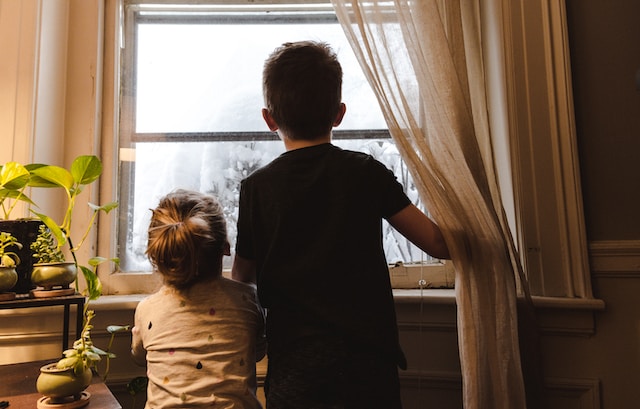
Windows can be dangerous in a home with young children, especially if you live in a high-rise flat or in a home with multiple stories.
Many children love to sit and stare out of windows, but this can end in disaster if the window is improperly locked or if it swings open easily.
Child-proof locks can be installed on windows to make them safer for children. These use two small attachments that are placed on the frame and on the window itself and are linked together by a strong chain. These prevent the window from opening too wide, ensuring nobody can fall out.
Knowing Burrowing Pests for Child Safety
When considering the safety of your home for your children, it’s essential to understand the difference between gophers and moles. Both are burrowing creatures, but they have distinct behaviors that can impact your property differently. Gophers are notorious for creating mounds and tunnels in your yard, posing tripping hazards, and damaging landscaping. Moles, on the other hand, primarily feed on insects, which can impact the health of your garden. As both of these can be a nuisance for your children, you should consider contacting a service like Aptive Pest Control to begin the process of getting the creatures removed.
By knowing the difference between gophers and moles, you can adopt appropriate measures to safeguard your yard and ensure a safe outdoor environment for your children. Whether installing barriers or seeking professional pest control, addressing these burrowing pests is vital to child safety at home.
If you live in the West Palm Beach area, West Palm Beach pest control services by Turner offer reliable pest control services that can help keep your home free from unwanted critters.
Hazardous Materials
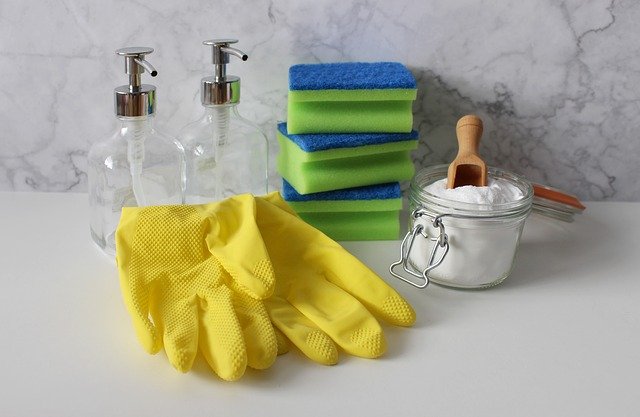
Some of the products and materials we keep in our homes can be toxic or poisonous. Cleaning products, in particular, can be dangerous, especially for children who have no knowledge of what these chemicals are or what they do.
Keeping these materials secure and out of the reach of your children is vital. They should be kept in a locked cupboard where your kids will be unable to access them.
If you don’t have any locking cupboards in your home, locks can be easily installed. It will certainly be worth the investment as you’ll be assured that your children cannot access potentially harmful chemicals and substances.
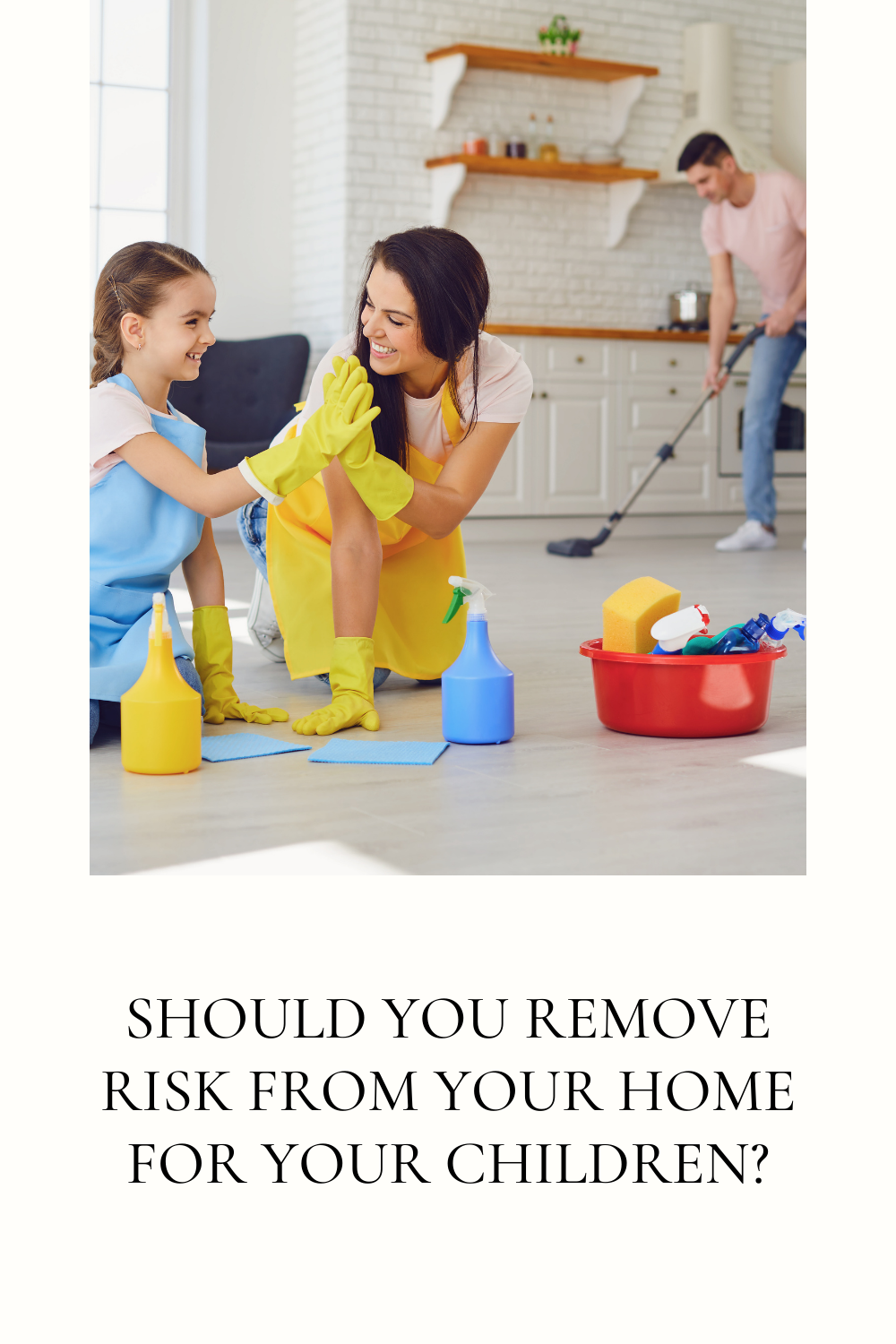
Despite our best efforts, children often have a habit of injuring themselves. However, it’s vital that parents ensure their children are never in any serious danger, and this practice should start at home. We generally consider our homes to be safe spaces, but they can in fact contain numerous hazards that pose a risk to children. Removing risk from your home is essential for your children.
For more helpful resources, check out the full Home Safety collection
 It is vital to keep the roof over your family home in Louisville in the best possible condition to protect your loved ones from the dangers of the outside world. Your roof is your barrier against the rain, snow, wind, hail, and harsh Kentucky UV rays, and as such, you need top-notch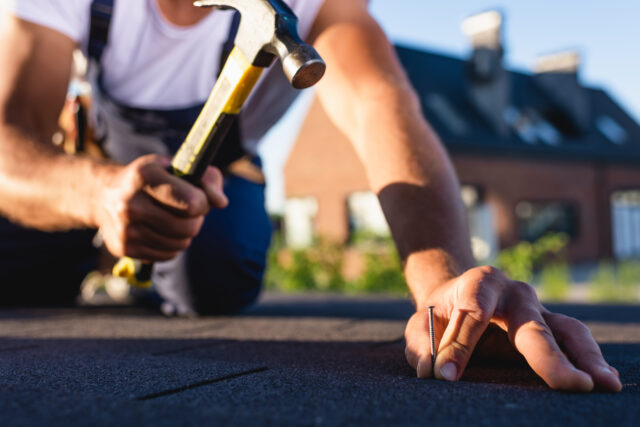

 Upgrading your roof is one of the most significant investments you can make in your home. It not only protects your property from the elements but also significantly enhances its aesthetic appeal and overall value. While the process might seem daunting, understanding a few essential tips can make roof upgrades simpler, more efficient, and cost-effective. By following these guidelines, you can ensure that your roofing project enhances both the durability and functionality of your home.
 Dash cams, or dashboard cameras, have become increasingly popular among drivers. These compact recording devices offer numerous advantages that enhance safety, provide critical evidence, and even offer peace of mind. Here’s an in-depth look at the benefits of having a dash cam in your vehicle.


 The safety of children’s products is paramount. With stringent regulations in place to uphold standards and protect our little ones. Despite these measures, defects or hazards can occasionally slip through, necessitating product recalls to mitigate risks. This article explores the intricacies of children’s item recalls. Emphasizing the significance of vigilance, consumer rights, and product liability in safeguarding children.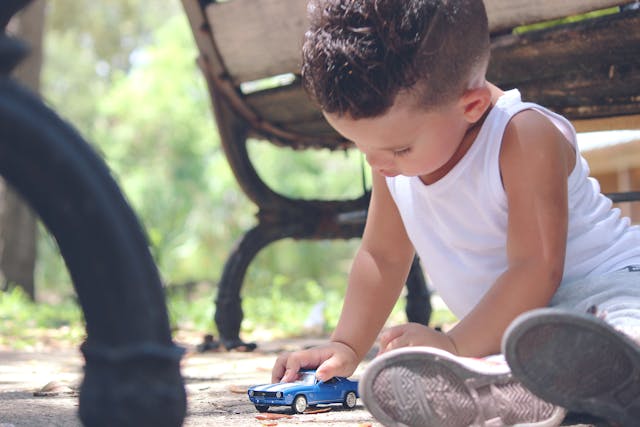




 Consider These 6 Things Before Installing A Fireplace


 What is Bitcoin? For many parents, the digital world can often seem like an enigma. From the latest social media trends to viral TikTok dances, keeping up with the younger generation’s tech-obsession can be a challenge. Amidst this digital whirlwind, one term in particular has been making waves – Bitcoin.


 The safety and security of our families is something we all prioritize in life. Whether you’re a homeowner or renter, when it comes to ensuring your family’s well-being, there are many different strategies you can implement to help protect your home against potential threats. As the everyday hazards continue to grow all around us, we must remain vigilant about protecting our homes. In this blog post, we’ll discuss seven strategies for family safety and provide insight on how to maintain a secure environment for your loved ones. Keep reading to learn more about these practical tips!