
• Skip to main content

Adore Them Parenting

Practical Positive Parenting Advice and Resources

Practical Positive Parenting

Go here for our book!

  • About Us
  • Our Book
  • Parenting Advice
    • Raising Children
    • Family Life
    • Seasonal
    • View All Topics
  • Free Printables
  • In the Media
  • Shop

Karissa Tunis

How To Explain The Importance of Nature to Children: The Unconventional Approach

Nature is one of the most important things in the world. It’s not just something we can take for granted, because it can have a profound effect on our lives and how we feel about ourselves.  It’s the trees, rivers, mountains, and oceans that fill us with awe and wonder. And it’s important for mental health to spend time away from city life. This article contains helpful advice about nature and how to explain its importance to children in a way they’ll remember for years to come.


For more on this topic, check out the full Helping Others collection


Keep The Nature Untouched

Nowadays, there is a growing need to build various facilities, which is increasingly destroying nature. It is very important that we and the children know how we must do everything in our power to preserve nature. One interesting way of doing this is the option of buying a piece of land, as seen at www.celtictitles.com, so the land will be owned by you. That way you can choose to do nothing and thus keep nature as it is. It is important that we preserve as much nature as we can as it is essential for the living world. Nature gives us air to breathe, food to eat, and water to drink. Without it, we would face a bleak future.

Don’t Pollute It

Another important thing we need to do is not destroy nature through pollution. This refers to throwing garbage everywhere, which leads to soil and water pollution. It is also important not to throw the garbage in the sea, where it kills fish and other wildlife. We need to educate children about how they can make a difference through recycling. You can do this by teaching them to separate their trash into three different categories: paper, plastic/glass/aluminum, and organic waste. Kids learn from examples. So it is important that we, as grown-ups, lead by example.


Respect Animals

The cycle of life is very important to understand, especially for children. We can explain that everything in nature is connected to each other. We should never harm any animals. Instead we should protect them from unnecessary deaths and injuries. That way we will help the animal kingdom by making a better place for them to live. Avoid pollution caused by throwing garbage everywhere, or harming them with plastic waste. This also applies to the things mentioned earlier in the text. Because if we destroy living habitats for animals, we endanger animals as well. The more we hurt the Earth’s equilibrium, the more pollution there is and the more the habitat is destroyed.


Importance Of The Bees

Your children should also know about the importance of bees and how we can help them with their work. Bees are essential for the living world because they pollinate food crops. In pollination, insects carry pollen from one plant to another. In doing so, they fertilize the plant. This allows it to produce fruits, vegetables, seeds, and more. If all bees die, it will disrupt the delicate balance of the Earth’s ecosystems. And this would affect the world’s food supply. We should all do our part in helping bees survive by planting more trees and flowers around our homes to provide them with a proper habitat.

Clean The Nature

Your kids should also do their part in protecting nature by cleaning up their own environment. They should gather any garbage they find around them and put it in one place. This will help the environment by keeping the place clean and reducing pollution. If they also make an effort to clean part of the land, meadow, or something else, they will understand the importance of throwing garbage in bins and recycling. This way, they can even influence their friends and point out to them the importance of throwing garbage in the place provided for that. Healthy habits are built from an early age.

As your children get older, they can join environmental organizations to help them with their cause. These kids will grow up to be great contributors to Earth’s well-being because of all you have taught them about protecting nature.

Eating Well

The composition of our diet also has a great influence on the preservation of nature. Our food choices should be made with caution. For example, if we eat a lot of meat, it will cause deforestation and habitat destruction because most of the animals will be on the farm. This way, the natural cycle of life is broken and there is not enough vegetation for all our needs. People have been eating meat from an early age because they were unaware of the damage it causes to the planet. We should all eat more vegetables and fruits to keep our bodies healthy without destroying the Earth’s natural habitats.


The Importance of Nature for Children

If you want to protect the world around us, start with your own children. Share this article with them and teach them how they can help keep our planet green by eating well, respecting animals, recycling, and taking care of bees so that we don’t lose their pollination services in order to grow food crops. These are just a few ways kids can do their part in protecting nature for future generations while also building healthy habits early on which will be good for both themselves and the environment!


For more on this topic, check out the full Helping Others collection


Filed Under: Helping Others

Want To Keep Your Child Healthy? Focus On These Areas

Every parent will worry about their child. There will be more than enough reasons why you would, though most of these will end up being relatively minor. However, some things will deserve a certain amount of attention and concern. One of the more notable is your child’s health.


Outside of the obvious, you might not know how to keep your child healthy. As there could be more involved in this than you might be aware of. But that doesn’t mean that it’ll be complicated. Chances are that it’ll be much simpler than you’d expect. So continue reading below for a few tips on how to keep your child healthy.


For more on this topic, check out the full Staying Healthy collection


Give Them A Balanced Diet

There’s a reason that a balanced diet and exercise are consistently recommended. Figuring out exactly what your child should have could be trickier than you’d first think. Typically, they’ll need three meals a day, along with between one and three snacks depending on their age and growth.

You should aim to keep these snacks as healthy as possible. You should also try to make sure that your child gets fresh and unprocessed foods. Some of the more notable of these include whole grains, dairy, fruits, and vegetables.


Take Them To Check-Ups

When it comes to keeping your child healthy, the importance of regular check-ups can’t be overstated. There are countless appointments that you might need to take your child to throughout their lives. Their medical professional will be one of the more notable.

That doesn’t mean that the doctor is the only qualified professional that you should take your child to. Instead, you might need advice on hearing health, oral care, eye care, and much more. If you are considering a holistic approach to your child’s health, you will still need to make sure that everything is covered.

Look After Their Mental Health

When it comes to keeping your child healthy, their mental health shouldn’t be overlooked. This can be just as vital as their physical health. There are a few tips and tricks for helping with your child’s mental health.

The more notable of these include:

  • Be open and start conversations early.
  • Stay on the lookout for behavioral changes.
  • Promote healthy habits.

With these, you shouldn’t have much of an issue maintaining your child’s mental health. Should they need help from a professional, then that’s worth doing as soon as possible. Don’t forget to look after your own mental health at the same time.


Keeping Your Child Healthy

Once you know exactly how to keep your child healthy, it can seem quite easy. Most of your focus will be on their daily habits and routines.

And as your child learns these life skills, they’ll be more capable of helping to keep themselves healthy as well. That could make each of the above tips mentioned much easier to keep up with than you’d initially think.


For more on this topic, check out the full Staying Healthy collection


Filed Under: Staying Healthy

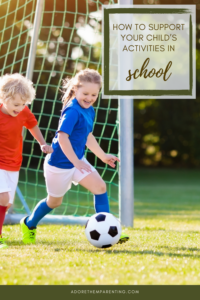
How To Support Your Child’s Activities in School

If your child is in grade school, you may have noticed that they are involved in many different activities. These activities can include everything from music, to sports, to clubs. Parents need to support their child’s dreams and help them succeed. Here are some ways that you can help your child with their activities at school.
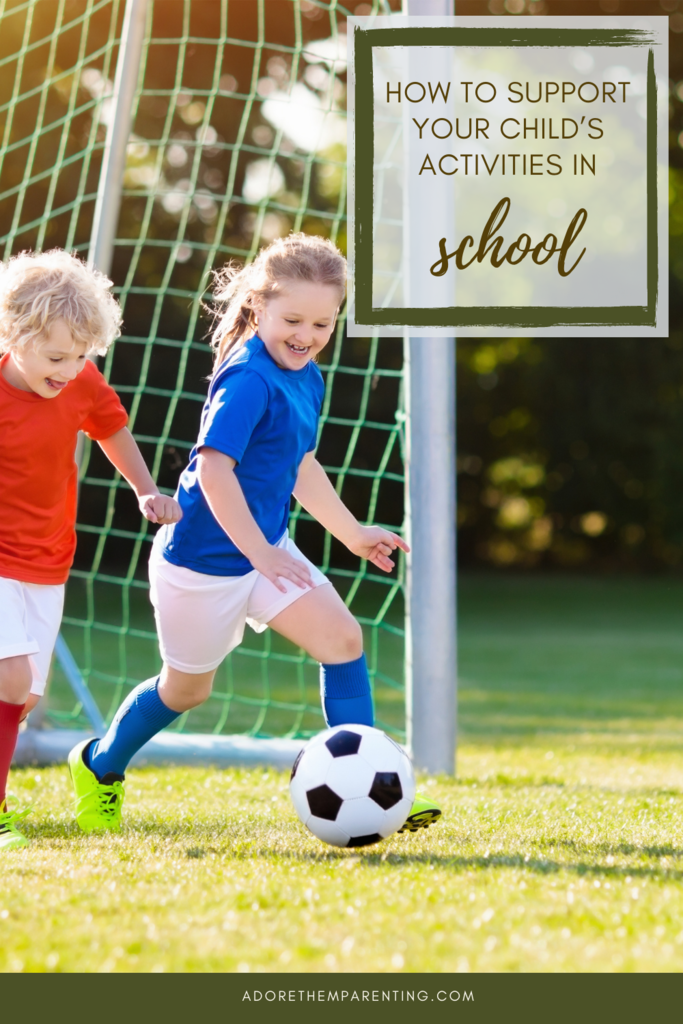

 

Customize Your Sporting T-Shirt

Creating custom sports apparel is an excellent way to show your support for any team or player. For example, when you order baseball mom shirts online, it’s easy to add text and photos to connect with anyone who sees them. Likewise, if you have children who play on a school football team, baseball squad, or basketball club, consider designing their practice jerseys so they can be part of the entire experience from start to finish.


For more on this topic, check out the full Sports collection


Get Them the Necessary Equipment

If your child is involved in an activity that requires them to have a particular piece of equipment, don’t forget to purchase or rent it for them. For example, if they’re playing sports, you’ll want to purchase their cleats and other gear as well, as the necessary sized baseball gloves or tennis racket. It’s also essential to buy this equipment and be sure it fits properly so that they can use it safely and comfortably. Getting them the right gear can help them feel confident when they take the field or court and perform their best.

Always ensure that your child is wearing the necessary equipment, even if they’re playing a sport at recess. If you have any questions about getting them their gear, or what type of equipment they need for an activity, speak with their teacher. They’ll be able to let you know exactly what’s required and where you can purchase it from.

While some kids’ activities take place outside of schools, such as music lessons, or dance classes- other ones require children to wear certain types of protective clothing like helmets when horseback riding, or goggles when swimming.


Sign Them Up for Extra Classes

It can be helpful for your child to sign up for extra classes regardless of their age. Classes like art, music, and sports are great ways to help contribute to what they already enjoy doing outside of school within the classroom setting. In addition, signing up children early on allows teachers to better understand individual students’ interests, which helps tailor specific lessons that might benefit that student over others. It is also an excellent way to support building ties with other parents at their school as well.


Encourage Them

Yes, as a parent, you want to support your child in their activities and schoolwork. Support doesn’t only mean showing up at the event or meeting. You can also encourage them from home. It would help if you always let your kids know that they are doing great. They need encouragement throughout different stages of life–their educational journey is one where they need to have someone cheering them on the whole way.


Conclusion

These are some things that parents can do to help their children succeed at school. Of course, it is essential to have fun while supporting your kids’ interests too. Remember what it was like being a kid? Try not to over-schedule them and let them be young if they can be.


For more on this topic, check out the full Sports collection


Filed Under: Sports

Summer Recipes: The Perfect Crispy Treats for a Hot Day

Summer Recipes: The Perfect Crispy Treats for a Hot Day


The hottest day of the year is just around the corner, and it’s time to bust out those ice cream sandwiches. But you don’t have to wait until July to enjoy a cold treat. There are plenty of summer recipes that will satisfy your sweet tooth, cool down your kitchen, and provide a little bit of comfort this season. Here are some desserts, appetizers, and main dishes that are perfect for these hot days ahead.


For more on this topic, check out the full Recipes collection


Waffles

Waffles are a great breakfast or brunch idea for a hot day. They are so versatile, and you can serve with fresh fruit, syrup, powdered sugar, whipped cream, and savory ingredients such as bacon and eggs. Of course, the perfect combination is waffles with ice cream topped with warm chocolate sauce.

For this recipe, you will need:

  • Waffle batter (prepared according to package instructions)
  • Two scoops of vanilla ice cream per waffle sandwich

Chocolate Sauce- prepare the chocolate sauce before serving time. It’s best to prepare it ahead of time because, after heating, the sauce hardens quickly when left at room temperature without stirring in additional liquid. In a small heavy-bottomed pan, combine butter/oil, cocoa powder, and sugar. Boil over medium heat while constantly stirring with a wooden spoon until all the ingredients melt together.

Remove from heat immediately when boiling starts, add vanilla extract or liquor of choice (bourbon is preferable) and stir well. If the chocolate sauce appears too thick, thin it out by adding milk before serving time if desired – some people prefer thicker sauces on their waffles.


Beer Battered Fish

This refers to any fish coated with a beer batter. The most common types are cod, haddock, or whiting.

To cook crispy, tasty baccala, you need to start with making the batter. The batter consists of flour, beer and often spices. Then, the fish can be deep-fried or pan-fried in a bit of oil. An excellent tip to get the perfect crispy coating on your fish is using self-rising flour instead of regular plain flour. Self-raising has baking powder added, which helps give that extra crunchiness when frying.

The batter sticks nicely onto the fish thanks to the carbon dioxide bubbles in beer known for their leavening properties.


Oven-Baked Squash

This is a great way to use up the squash from your garden.

Ingredients:

  • butter
  • salt and pepper, to taste
  • onion powder, optional

First, preheat the oven at 350 degrees F. Cut both ends off the summer squash, then cut into pieces that are about an inch thick or less if they’re very long. Place on a baking sheet with parchment paper; add butter, salt and pepper, onion powder, and bake for 30 minutes, turning once after 15 minutes.


Fried Chicken

Fried chicken is often a staple food that is eaten by most Americans year-round. However, for those of you who don’t want to spend the time frying chicken at home this summer, here are some alternative ways to make crispy fried chicken without an outside deep fryer.

A classic summer recipe that will give your chicken a delicious crispy texture is to fire roast it. Coat the raw chicken with breadcrumbs and spices before you place it in an oven on broil for about 15 minutes or until cooked through.

This technique works incredibly well if your frying pan has ridges like a grill since they help hold onto extra flour and create crispier edges. However, if you don’t have one of these types of pans, then try using aluminum foil (shiny side up) placed under your cooking rack to mimic its effect!


Strawberry Shortbread Ice Cream Sandwich

You can serve this as a dessert or even a sweet snack. It is straightforward to make, and you can make it with ingredients you already have in your kitchen.

Ingredients:

  • Strawberry shortbread cookies (store-bought)
  • Vanilla ice cream (ice cream of choice, softened at room temperature for 30 minutes)
  • Fresh strawberries (sliced thinly lengthwise)

Take one strawberry shortbread cookie and top it off with some vanilla ice cream. Top that with another strawberry shortbread cookie, then place the sandwich on an aluminum tray before placing this into the freezer until firm like a rock. Serve once fully frozen by thawing slightly for about 15 minutes before serving time so they won’t crack when bitten into them.


Conclusion

In conclusion, summer recipes are beneficial, especially in the summer. It is a great way to keep calm and enjoy your favorite dishes even though it’s scorching outside.


For more on this topic, check out the full Recipes collection


Filed Under: Recipes

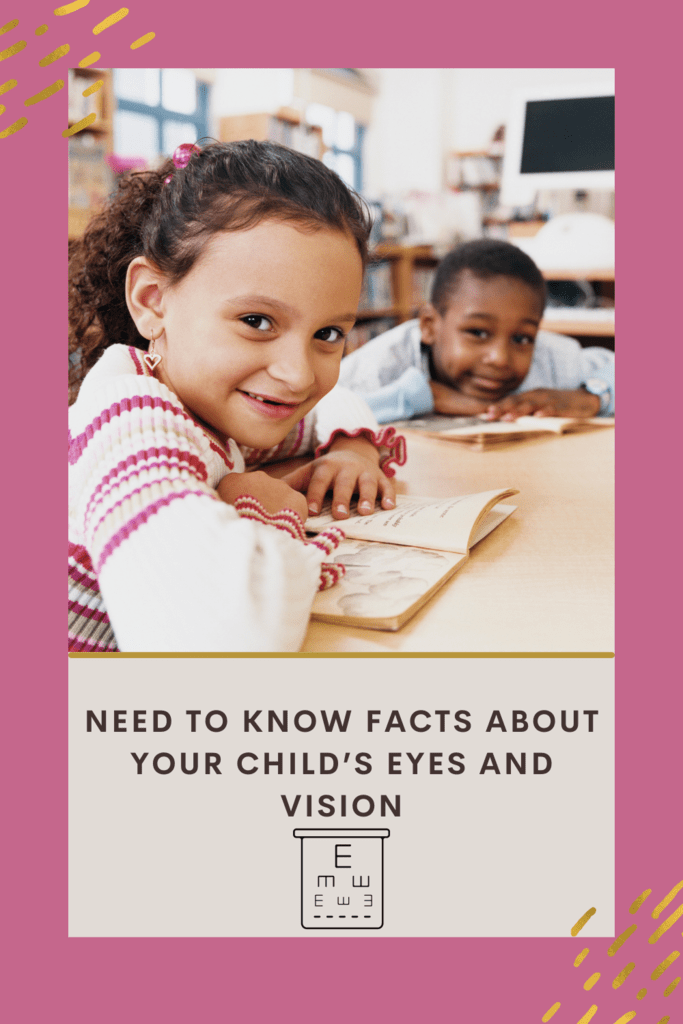
Need to know facts about your child’s eyes and vision

It is unlikely that you think too much about your child’s vision unless necessary. Many parents notice that there is something wrong with their child’s eyes, but are unsure of what to do about it or what it could be. For example, are you familiar with Chalazion? Do you know what it looks like, what causes it, and how you should treat it? You should be looking out for your child’s eye health as much as you are anything else relating to their wellbeing. So here is some advice on how you can get familiar with their child’s eye development, and how to face the common issues that may crop up as they get older.


For more on this topic, check out the full Staying Healthy collection


Babies Eye Health

Whilst a newborn baby can see, they are still forming those important connections between the retina and the brain. Their central vision is still developing during the first few months of their life, and you can monitor this by looking out for how they are moving and focusing their eyes. You should notice that they soon start to focus on objects in front of them. Although it is normal at this time for their eyes to appear crossed, or to wander a little bit as they are still learning how to coordinate and how their eyes can work together. At the age of three months old, babies should have much better control over their eyes. Or if they are still very uncoordinated, or wandering much more than they should, you should consult with your pediatrician and get them to take a look.

Three-dimensional vision develops at around five months old. This contributes to their hand-eye coordination and depth perception. So, you can monitor their progress by seeing how well they can reach for objects and how well they can determine how far the object is from them.

The color of your babies’ eyes may change in the first nine months of their life. However they should settle down at the nine-month mark. There can still be some slight changes in color or shade up until the age of three. But nothing as significant as you will see in the first year.


Toddlers Eye Health

The toddler stage is when your child is most likely to show signs of strabismus. So watch for any misalignment of the eyes or one eye that look straight on whilst the other one wanders. Measles is the leading cause of childhood blindness and the best way to combat this is to get your child vaccinated.


Children Eye Health

As your child gets older and you are starting to think about sending them to school. This is also when you should look out for signs of near or farsightedness. Spending lots of time in front of a screen can contribute to the development of nearsightedness and can cause digital eye strain. It is important for both you and your children to follow the 20-20-20 rule: for every 20 minutes spent looking at a screen look away and spend 20 seconds focusing on something at least 20 feet away.


For more on this topic, check out the full Staying Healthy collection


Filed Under: Staying Healthy

5 Helpful Tips for Giving Your Kids an Allowance
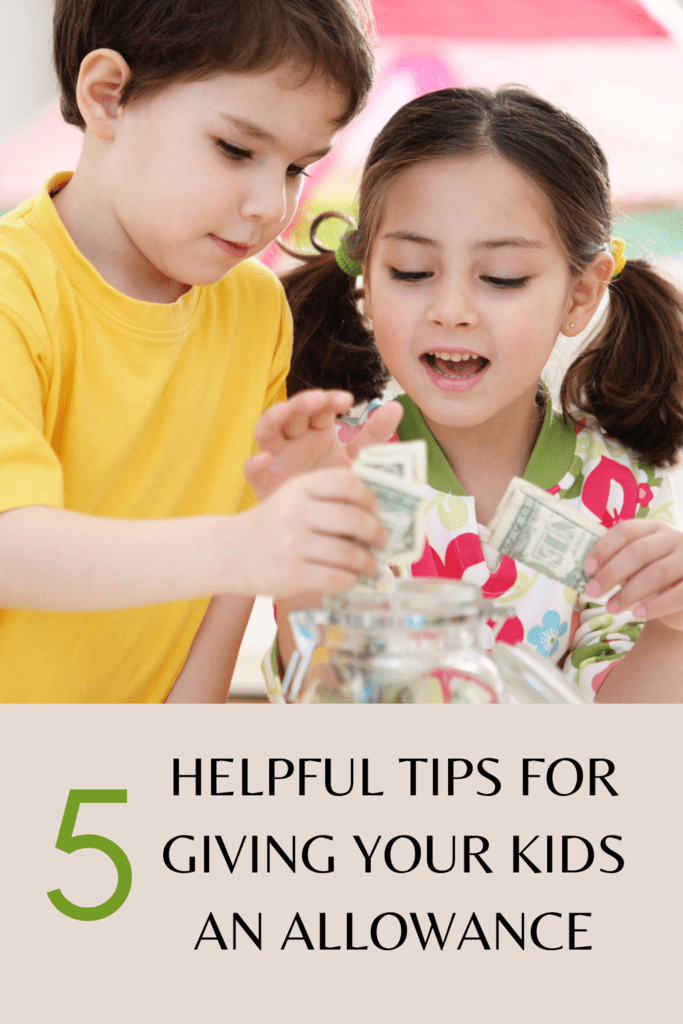
Helpful Tips for Giving Your Kids an Allowance

An allowance is a great tool for teaching kids about money. By giving your kids a source of income and allowing them to manage it, they can grow up with financial sense. If you plan on giving your kids an allowance, here are five tips to keep in mind.


For more on this topic, check out the full Saving Money collection


Encourage your kids to save rather than giving them advances

There will be times when your kids want an expensive new toy but don’t have enough allowance to do so. They may beg you to give them an advance on the next week or even months worth of allowance. Rather than giving advances, teaching children to save will make them more money smart and encourage them to experience delayed gratification. Teaching them about savings or investing for kids by explaining how you are saving for their future is a good start. You can also offer to pay for part of a new toy or piece of tech they want if they are able to save up their half.


Tie it to big household chores – not everyday ones

It’s tempting to tie your kids’ allowance to their chores to give them an incentive to help out. While we all want our kids to do their chores, it’s also important to teach them that household chores should be done freely as a family rather than as a paid activity. That said, an allowance is a great incentive for bigger jobs, such as helping with cleaning the car or mowing the lawn. Tie their allowance to big jobs rather than the everyday chores. Especially as kids may skip out on their chores if they decide they can live without the allowance.

[Read: Chore Chart by Age & the Benefits of Teaching Responsibility]


Don’t withhold allowance as a punishment

An allowance should be a teaching tool for kids rather than a disciplinary tool. This is why we advise against tying an allowance to chores, grades, or behavior. As parents, we should encourage our kids to contribute to household chores, work hard at school, and behave well without financial incentives. Plus, if your kid doesn’t have a steady allowance, it makes it more difficult for them to budget and save, taking away the chance to teach them about financial management.


Start early

While you may not want to hand over too much money to young kids, it’s important to start giving allowance to your kids as soon as they grasp the concept. This guide to allowance by age suggests that 5 or 6 is the best age to start giving an allowance. Even if it’s only a few dollars a week for them to spend on sweets or save for a small toy, it will make them money smart from a young and impressionable age.


Give older kids a debit card

Once kids reach 12 or 13, you should consider getting them a debit card. There are plenty of kid-friendly debit cards and bank accounts out there. You can opt for a prepaid debit card and kids can use this to withdraw money at an ATM, make online purchases, and check their balance easily on their phones.


For more on this topic, check out the full Saving Money collection


Filed Under: Saving Money

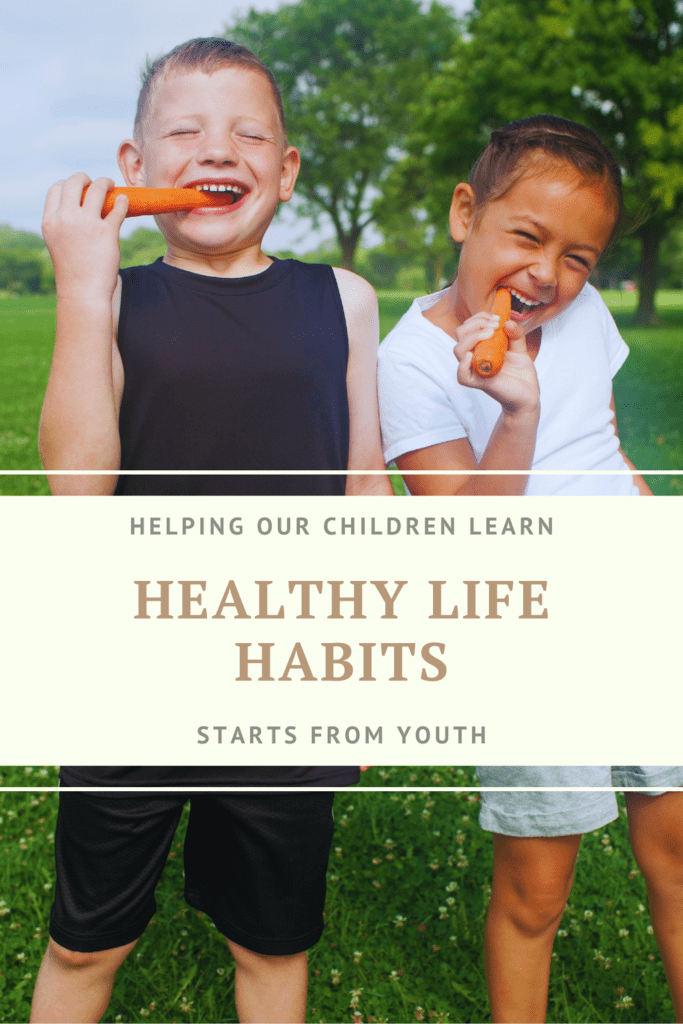
Helping Our Children Learn Healthy Life Habits Starts From Youth

When it comes to teaching our children habits and practical decision-making, almost everything we show them throughout their developmental years contributes to what they are learning now. Helping our children learn healthy life habits starts from youth. So for that reason, it is important that we begin setting a healthy example, and explaining how to make positive choices.

For more on this topic, check out the full Staying Healthy collection


Helping Our Children Learn Basic Healthy Life Habits

For instance, socializing our children when they’re young will help them better develop. It will also help them become able to share and practice patience. These traits will ultimately help their social growth over time compared to a child who is never taught to restrain their selfish feelings. Children without these basic skills often end up distancing themselves from the group due to feelings of overwhelm.

Another important set of lessons for children to learn is that of healthy life habits. For instance, potty training them hygienically is a slow but essential process, as is teaching them little day to day efforts. Just like learning how to blow their nose into tissue paper, and cover their mouth with their hands when they cough.

But what essential habits leave the strongest and most lasting impression on them? Let’s consider that, and more, below:


Proper Dental Care

Proper dental care is essential for children to learn. Teaching them how to brush their teeth properly is key. Like using a small toothbrush and brushing each tooth using concentric circles. Kids should also be brushing for around two minutes for each side, and brushing their tongue gently can help them learn how to do this. Make sure this is slow, and only teach them to brush their tongue as they become more mature and this isn’t a problem that could lead to a choking hazard. Make sure to keep watch over them as they learn this, and check the results. Also, schedule regular visits to the family dentist early, so that they can learn there’s nothing to fear from the dentist as they carry this practice into adulthood.


Washing Hands & Table Side Manner

It’s important to get our children into the proper practice of washing their hands regularly, especially before and after meals. Teaching them to wash both sides of their hands, between their fingers, and around their nails is key. Also, making sure that they learn not to play with their food, to avoid eating with their hands where they can, and how to properly use tissues to avoid coughing or sneezing amongst others is also important.


Learning To Respect Their Space

It’s good to get children into the habit of caring for and tidying their space. Not to the point of obsession, but just so they learn a healthy sense of personal responsibility for what may be ‘theirs.’ This might include teaching them how to make their bed each morning, how to tidy their toys, and how to keep their bedside table properly organized. As they grow, you can teach them how to sort their books, or how to clean bit by bit once they start reaching double digits. Over time, this helps them remain clean individuals who have a healthy respect for the areas they inhabit.


With this advice, you’ll be able to prioritize those worthwhile lessons we all need to teach our children.


For more on this topic, check out the full Staying Healthy collection


Filed Under: Staying Healthy

How A Major Car Crash Can Affect You And Your Family

A car accident is a major life event that can affect you and your family in various ways. The circumstances of the car accident, including who was at fault. How severe the injuries are. Which insurance company will cover the claim. And all the details that caused the accident in the first place. These all will have an impact on your future after a car crash. This article will attempt to explain some different scenarios so that you may better prepare yourself for any outcome.



For more on this topic, check out the full Tough Times collection


Medical

After a car accident, you are likely to be overwhelmed by physical symptoms. These may include pain, nausea, headaches, irritableness, lack of appetite for food, etc. The most common injuries in car crashes are cervical spine injuries (neck), closed head injuries (headaches), soft tissue damage (bruising and pain in the skin), traumatic brain injuries (TBI or concussions), and spinal cord injuries.

If you suffer any loss of bodily function, you will need to go to the hospital. Other symptoms to be cautious of are partial paralysis, difficulty speaking, and loss of consciousness. And if your symptoms continue to persist beyond the first few months afterward, then it is recommended that you seek medical attention immediately. The reason is that when these symptoms appear, it is possible that the brain has been injured and you should be checked out immediately by a neurologist to know for sure.

It’s always better to be safe than sorry. So if you are feeling pain, or feel like something is off, you should seek medical attention right away.


Mental

Expect to feel a lot of stress and anxiety when it comes to car crashes. You are likely to have nightmares about the crash that will seem very real. And is common to have trouble sleeping. You may even find yourself getting startled easily by small noises that resemble an engine revving or tires screeching.

Also, if you are unable to work due to injury, then this can lead to feelings of frustration at being unemployed which could lead to depression over time.

If this accident seems to be affecting your mental state, you will want to talk to someone right away. Professionals will be able to share coping skills that can though this stressful time in a more positive manner. And the quicker you can get that help, hopefully the faster you can get back to a more normal routine.

Financial

A car accident can lead to financial difficulties. If you are unable to work after an accident, then your employer may terminate you which could mean that you lose your job along with any benefits like health insurance coverage. If the injury is severe enough, you might not be able to work for months or even years if it means having a lot of time off from work. This all adds up to lost income and perhaps debt if you have accumulated credit card bills.

Other long-term effects of a car crash include high medical costs and expensive therapy sessions (some charge well over $100 per hour).

Another financial aspect that may become an issue is car damage. If you are at fault, then you will have to pay for repairs out of pocket unless damage is covered by the other party’s insurance or yours (if it applies). Also, if your car is totaled and you need a new one, it is likely that this will add to your financial burden.

While this is obviously a terrible scenario, it is helpful to prepare ahead of time and look into your options. And remember, this difficult phase won’t last forever. It might be tough now, but you and your family can get through it!


Legal

I know that this is a point that most people would rather avoid. However, it is important to know your rights and to act accordingly so that you don’t get hit with an unnecessary bill at a later date.

When you are in a car crash, there are many legal issues that can result. First of all, it is important to know what type of coverage your insurance has. If the accident was somebody else’s fault, their insurance will cover the damage they caused (subject to certain conditions). If you were at fault, or if nobody knows who was at fault, then your own insurance may cover the damages (up to certain limitations).

Who is Responsible

The details of who pays for which claim are often laid out in very fine print in various contracts and agreements. For example, you might be liable for paying your deductible before the other party’s insurance covers any costs related to repairs or medical expenses. Or if two people each have $1 million in coverage on their policies, and they both get into a car accident that results in $1 million in damages, then they each could pay out of their own policy.

Also, a personal injury claim can be filed against the driver who caused the car accident. If you’re the one filing, be mindful of the statute of limitations of your state which this helpful guide explains.  In every state, you must file a lawsuit in court before a certain time limit expires. If you miss the deadline, the court will most likely dismiss your case. There are rare situations in which judges may be willing to extend the deadline. Such as when the injury does not manifest until weeks or months after the crash.

But if you feel that your situation warrants further legal actions, then speak with a professional while the details are fresh and recent.


Conclusion

A car crash can have a huge impact on your life. From the physical effects to the financial ones. Hopefully this article can serve as a reminder of the need for car safety. And remember the consequences of not abiding by traffic rules like speeding.

For more on this topic, check out the full Tough Times collection


Filed Under: Tough Times

The Various Issues That Your Generation Z Teen May Be Coping With Today 

When you transition from being a child into your adolescent years it can be an immensely difficult, stressful, and confusing time. As a parent you know from your own experience what it felt like to grow up being a teenager. So the same process is applicable to your child now, just in a different way. Understanding and showing compassion to your teen is important so that you can demonstrate that you are supportive when they need you the most. These are some examples of what your teen may be experiencing today.


For more on this topic, check out the full All About Teen collection


Social Media Pressure To Look Perfect

When you were a teenager yourself you most likely did not have the internet. And certainly not a smartphone in which you could access the web and take selfies. Young people today are increasingly susceptible to the damaging effects of continuous social media usage and a decline in their mental welfare. With around 97% of 13-17 year olds on at least one social media platform a day, it is easy to see how they can be drawn into unrealistic expectations. Here the images and persona on social media is that everything looks ‘perfect’. But as a consequence, this can have an extremely negative impact on your teen’s self esteem and expectations to ‘look a certain way’. It can also lead to a particular lifestyle because they see celebrities doing this.

Keeping Up With Drinking Trends

It is no surprise that your teen will be delving into the world of alcohol when they start meeting up with their friends outside of school. Particularly in the evenings or when they head out to parties. There is no way to totally avoid this. But it is useful to read up about the short-term effects of alcohol on the brain if you do begin to notice that they might be drinking and hiding it from you. Ideally you would want to catch this before it develops into habitual drinking. It can be easy for teens to feel as though they must keep up with their friends, particularly when they are filmed doing a dare, and it is posted onto social media for the rest of their friends to see.


Sharing Inappropriate Photos To Impress Someone They Like

Again, social media features prominently again. This time in the form of peer pressure to send inappropriate photos of themselves either partly clothed or even completely nude. The ramifications of this once it is sent to another user, even if your teen knows the person, means it will never really be private. Once it is shared with another use,r it is likely to end up on the internet. Which is impossible to remove as a digital footprint.


Final Thoughts

Ultimately, you need to be aware that the social pressures that teens face nowadays is going to differ from when you were young. Figuring out how you can be supportive and available to chat when they feel ready to speak up about an issue is key. It is also important that your teen understands what types of outcomes their decisions can cause. So be open and discuss these topics together before they get out of hand.

For more on this topic, check out the full All About Teen collection


Filed Under: Teen

Tell-Tale Signs Your Little One is Ready for a Toddler Bed

It seems like only yesterday you were told you were pregnant. And then before you knew it, you had a baby in your arms! And now, some time between bringing them home from the hospital and today, you suddenly have a rambunctious toddler who’s keeping you on your toes!

Now that they’re a little older and have hit their second year, you might be wondering if it’s time to upgrade their bed and swap that tired old cot for a kids bed. This is a big change for both your child and you, so you’re right to feel anxious. However, recognizing the signs that your child is ready for this transition can make bedtimes and sleeping much better for the both of you! – And you’ll find a range of wonderful toddler beds at roomtogrow.co.uk.

All little ones reach milestones at different times, and no one knows your little one more than you. So you’ll know whether or not your child is ready to make the transition to a toddler bed, and the safety concerns you’ll need to factor into your decision. There’s no right or wrong time. It’s whenever it feels right. In the meantime, let’s explore some of the tell tale signs that your little one is ready for a toddler bed. Read on to find out more.


For more on this topic, check out the full Sleep collection


They’re Climbing Out of Their Crib

Do you have a little Houdini on your hands? If you spend more time putting your child back inside their crib than they do sleeping in it, then it might be time to look at a new sleeping arrangement. It’s also worth remembering that when children are tall enough to climb out of the crib – even when the mattress is on the lowest setting – you’ll have to consider the safety aspect of them potentially falling and injuring themselves.


You’re Potty Training

If your child is doing well with their potty training and you’re already encouraging them to use the bathroom, then keeping them in a crib could be hindering their progress. If they wake up in the night and need to go, then they won’t be able to take themselves and will either have an accident or wake up the whole house asking to go!


Their Crib Is Just Too Small

Is your little one outgrowing their crib? If they can reach both ends quite easily with their head and feet then they need an upgrade! The more room they have to spread out, and get comfortable, the happier and more content they’ll be whilst sleeping – which means less night time wake up calls for you!

[Read: Promoting Healthy Sleep: From Birth to Beyond]


Final Thoughts…

Making this transition can feel overwhelming. However, it’s important to show enthusiasm and keep their routines consistent, even with a new bed change. Encouraging your child to take day time naps in their new bed will also help them get used to this new sleeping arrangement and hopefully prevent bed time stand offs. Letting them choose their bed linen and the toys they want to sleep with can make this transition fun too!

For more on this topic, check out the full Sleep collection


Filed Under: Sleep

  • « Go to Previous Page
  • Page 1
  • Interim pages omitted …
  • Page 67
  • Page 68
  • Page 69
  • Page 70
  • Page 71
  • Interim pages omitted …
  • Page 134
  • Go to Next Page »

Copyright© 2026 · Brunch Pro Theme by Shay Bocks

We use cookies on our website to give you the most relevant experience by remembering your preferences and repeat visits. By clicking “Accept”, you consent to the use of ALL the cookies.
Cookie settingsCLOSE and ACCEPT
Manage consent

Privacy Overview

This website uses cookies to improve your experience while you navigate through the website. Out of these, the cookies that are categorized as necessary are stored on your browser as they are essential for the working of basic functionalities of the website. We also use third-party cookies that help us analyze and understand how you use this website. These cookies will be stored in your browser only with your consent. You also have the option to opt-out of these cookies. But opting out of some of these cookies may affect your browsing experience.
Necessary
Always Enabled
Necessary cookies are absolutely essential for the website to function properly. This category only includes cookies that ensures basic functionalities and security features of the website. These cookies do not store any personal information.
Non-necessary
Any cookies that may not be particularly necessary for the website to function and is used specifically to collect user personal data via analytics, ads, other embedded contents are termed as non-necessary cookies. It is mandatory to procure user consent prior to running these cookies on your website.
SAVE & ACCEPT