• Skip to main content

Adore Them Parenting

Practical Positive Parenting Advice and Resources

Practical Positive Parenting

Go here for our book!

  • About Us
  • Our Book
  • Parenting Advice
    • Raising Children
    • Family Life
    • Seasonal
    • View All Topics
  • Free Printables
  • In the Media
  • Shop

Karissa Tunis

What a Newborn Sleep Schedule Really Looks Like

When you prepare for your baby, you make sure everything is in order, right down to your baby’s sleeping arrangements. You make sure that all the feeding supplies are sanitized and ready for use. That the dog is groomed and ready to meet his new sibling. You even make sure that you have washed her clothes, set up the changing table, and that you packed your hospital bag. (Take advantage of this free hospital bag checklist.) But what can you expect the newborn sleep schedule to actually be like?

As new (or new again) parents, we try to prepare for everything. But what we really and truly cannot prepare for, is the utter exhaustion of having a baby who is up all night!…


Read More

Filed Under: Sleep

How Can Cities Make Healthy Living Easier?

The cities in which we live in have a huge impact on our health and our ability to lead a healthy life. Sure, we’re all responsible for our own lifestyles and approaches to taking care of ourselves to a certain extent. But the way cities are designed and planned also have an impact on how easy it is for us to do certain things like being active and looking after ourselves. Here are some examples of how cities can make healthy living easier for us all.


For more on this topic, check out the full Staying Healthy collection


Abundant Outdoor Spaces

Having places where you can go to exercise is vital. That’s even more important if you don’t have a private garden of your own. In order to get your approach to healthy living right, you need to have a place where you can exercise, whether that’s running, doing yoga, or simply walking. Green spaces in cities make that possible, and make healthy living easier.


beautiful park with walkway and bench at golden hour


More Trees

Green spaces also tend to include plenty of trees. And this is obviously important from an air quality point of view. Trees help to purify the air and soak up CO2, which you don’t want in the air you’re breathing. That’s why cities that have more trees planted, are also healthier cities for people to live in. It really is as simple as that.


Reducing and Limiting Car Traffic

Another thing that will improve air quality and reduce pollution and CO2 levels are policies that limit or reduce car traffic. Cities that are dominated by cars are not only bad from an air quality point of view either. They’re also more dangerous for people walking and cycling in the city as well. The fact of the matter is that cities with fewer cars are healthier and safer for residents.


picture of a bike icon on a bike lane


Better Pedestrian Facilities

That takes us to our next point about pedestrian facilities. There are many pedestrian injury-related legal cases each year and these usually involve cars. When pedestrians don’t have adequate safe streets that are protected from car traffic, people get hurt. But more and more cities are now taking streets back from cars and pedestrianizing them for the good of residents. It’s a move that makes a real difference and enables people to work more than they otherwise would.


Segregated Bike Lanes

As well as walking more, cycling more also helps us to stay healthier. When we have the option to safely cycle on bike lanes that are segregated from road traffic, it gives us another option. It means we’re able to get around in an active way, which is great for our health. And it’s also a very clean and green way of getting around, which can’t be a bad thing.


grandma and little girl holding hands walking on sidewalk at golden hour


Make Healthy Living Easier

The kinds of policies we’ve discussed here today all make make healthy living easier within a city. Maybe next time you’re thinking of relocating, you should take these things into account when choosing a place to live. After all, we all want to live somewhere that enables us to be the healthiest version of ourselves.

For more on this topic, check out the full Staying Healthy collection

Filed Under: Staying Healthy

How to Create a Simple Bedtime Routine Chart + 20 Free Printables

For many families, bedtime is a stressful time of day when it really should be about togetherness and relaxation! Instead of letting the frustration continue, it is great to create a simple bedtime routine chart by stepping back and figure out a plan to improve this process. The steps below will allow you to brainstorm a simple bedtime routine that will work great for your family and allow everyone to enjoy the end of the day (instead of dreading it).

Keep in mind that this is your chance to start from scratch and create the perfect bedtime routine. If what you’re doing isn’t working very well, then scrap it and start fresh! Keep it simple and lay out the few steps that will help your children wind down from a busy day and calmly drift off to sleep.

When you go about creating a simple bedtime routine chart, you will want to consider a few important things… keep reading below!


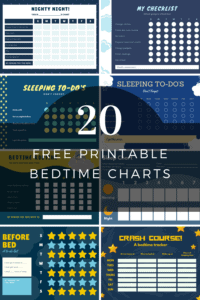
20 Free Printable Bedtime Charts

For more on this topic, check out the full Sleep collection


Keep Bedtime Simple

If the bedtime routine is too long or too involved, then it will be very hard to stay consistent. Start by figuring out the bare minimum for the evening – what are those non-negotiables? Going to the bathroom and brushing their teeth?

Sometimes we need that reminder of what needs to happen on the most basic level, and then we can build from there. As you add to your nightly routine, try to keep it to a checklist of just a few items. You can always add in extra things if you have time for it on any given night, but the goal is to have a basic routine that you (and your kids) have turned into such a habit that you don’t even have to think about it anymore.

Consider Your Kid’s Sleep Needs

Your children’s ages and capabilities are a big factor in planning out your bedtime routine. What steps can they manage on their own, and what will they need help with? Would a visual chart help them go through steps on their own? Can they brush their teeth all at the same time, or does that distract them or cause bickering? Do they always need a snack and/or water before bed?

Figure Out the Timing of Bedtime

The secret to smooth bedtimes is getting the timing right, which is definitely easier said than done. Take a minute to crunch the numbers and figure out an optimal bedtime for your kiddos by considering the following info:

  • When do they have to wake up in the mornings?
  • How much sleep do they need based on their age/personality?
  • What time do they need to be asleep to get that much sleep?
  • How long does it take your child to fall asleep?
  • How long does it take to do your bedtime routine?
  • What time do you need to start the bedtime process?

Once you have all of that info, you’ll be able to be realistic about your time so that the evenings don’t feel so rushed and frustrating. The goal is also to have your kids wake up refreshed and happy after getting a good night’s sleep so hopefully a good nighttime routine will also lead to better mornings!


Bedtime Chart Printable – Simple Checklist for Kids


Be Realistic and Consistent with Bedtime

And when it comes down to it, what will you actually end up doing? You could create a perfect-sounding plan, but if no one is able to follow through with it, it won’t work. You want this bedtime routine to simply become habit for the whole family so be realistic about your expectations and then encourage consistency!

Make the Bedtime Routine Visual

Once you come up with a good, simple bedtime routine then you can turn it into something visual! You can get as creative as you want, or you can keep it really simple.

  • Write the checklist down on a piece of paper
  • Design something pretty on your computer
  • Get crafty with the kids and make a poster
  • Laminate your checklist and use a dry erase marker each night
  • … the options are endless

Kids tend to do much better with following directions when they have something visual to go off of, and it might surprise you just how much responsibility they take when given the opportunity. Be sure to consider your kids’ ages/abilities when creating the visual checklist: Use visual icons on your bedtime routine chart for little ones to be able to follow along, use small words for beginner readers, or simply write it all out for more advanced readers.


Sample Bedtime Routine

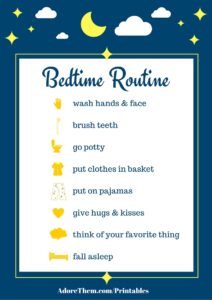
Hopefully all of these ideas help to spark inspiration for you and your family, but if you still feel a little stuck here is a sample bedtime routine checklist that you are welcome to use!

  1. Go potty
  2. Wash hands and face
  3. Brush teeth
  4. Put dirty clothes in hamper
  5. Put on pajamas
  6. Read a story
  7. Turn off the light
  8. Give hugs and kisses
  9. Think of your favorite thing
  10. Fall asleep

…

Read More

Filed Under: Free Printables, Sleep

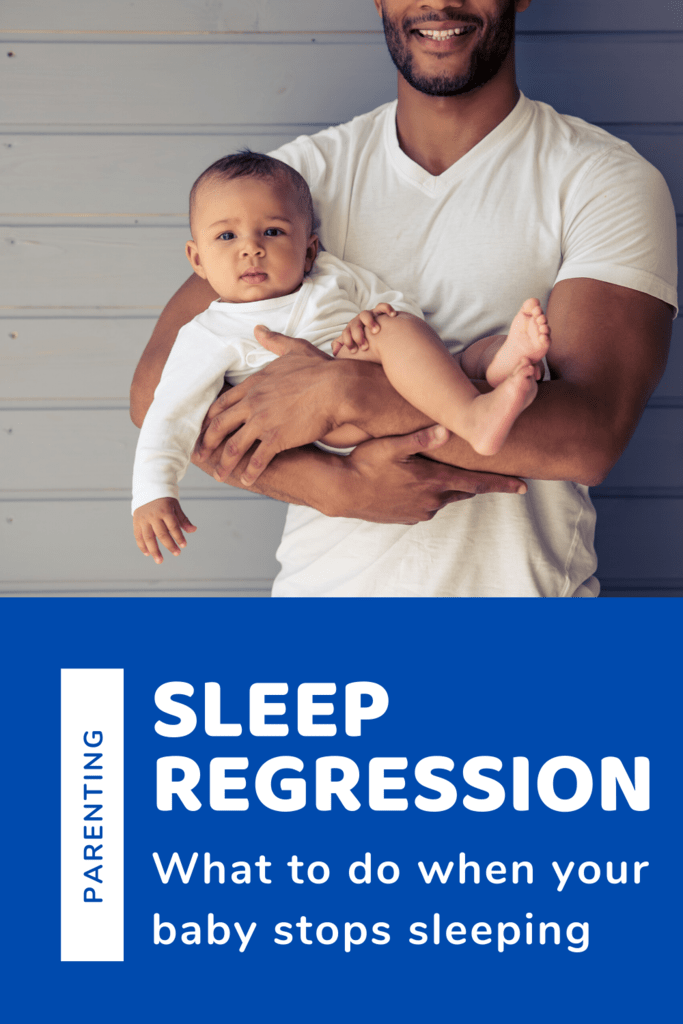
Baby Sleep Regression – What to do When Your Sleeping Baby Stops Sleeping

You have followed all the steps, and maybe done the Shuffle for a week here and there. You have a baby who sleeps well. Then it happens. The dreaded baby sleep regression. Common at many ages and for many reasons, baby sleep regression is the single most popular baby sleep topic at Sleeplady.com. We have put together a handy list of articles with great advice. If you’re struggling with a sudden setback, scroll through for an article that is age-appropriate now. If things are going well, bookmark this page for later — there’s bound to be a moment in the future where you need a little extra help getting back your restful nights.


This article is written by Kim West
For more on this topic, check out the full Sleep collection


Sleep Regression: Just a Phase?

We’ve all been there. Baby has been peacefully sleeping through the night, and, consequently, so is everyone else. Hooray! And then, out of the blue, your sweet baby is up at all hours, wanting to be soothed, fed, and crying. What happened? Many refer to these short episodes as a Baby Sleep Regression. Leading expert Dr. T. Berry Brazleton provides the explanation that these night wakings are the result of normal childhood development.

Continue reading here


When Will My Baby’s Sleep Regression End?

If you’re asking yourself this question, chances are that you’ve been short on sleep, and so has your very cranky, sleep-fighting baby. Baby sleep regressions are difficult for all of us, but thankfully most children (not all, but most) don’t experience every sleep regression. If they did, no one would sleep during the first two years!

Continue reading here


At 4 Months?

You’ve got the schedule down. Baby is FINALLY sleeping more… and then, WHAM! Suddenly she’s not. Welcome to what is commonly referred to as the 4 month sleep regression. Some may refer to this phase as increased wakefulness, but it all amounts to the same thing — you and baby have newly found your groove, and now baby just isn’t acting like herself.

Continue reading here


Pre-Toddler Sleep Regression

I’m not going to claim that all babies experience a sleep regression (or two), but most do. And if there is one sleep regression period that seems to be abundantly common, it’s when babies learn to crawl and/or pull themselves to a standing position. This is a huge step in their gross motor development, and opens an entirely unexplored world. Of course they don’t want to sleep, and therefore, parents experience some very common baby sleep problems.

Continue reading here


At 18 Months?

You were sleeping peacefully…and then you hear your toddler. He’s not just rustling around resettling. He’s screaming mad. Literally. As you drag yourself out of bed, you wonder to yourself what’s wrong? What could be causing your toddler sleep problems? Could this be two-year molars? An ear infection? Is he gassy from eating too much broccoli at dinner? Is his newfound walking (or running!) causing this?

The answer: It could truly be any of the above. But it could also be yet another sleep regression.

Continue reading here


The 2-Year Sleep Regression

Many parents breathe a sigh of relief once their child hits the toddler years. But then you’re dealing with molars, budding independence, and (for some) potty training. Logically, we think that development keeps moving forward, but when it comes to two-year-olds, you’ll notice that there’s a bit of backsliding as they learn new skills and grow up a bit, which includes the potential for another sleep regression.

Continue reading here


Remember

Whether you have an infant who has suddenly gone back to waking every two hours, or a toddler who is frequently up at night, sleep is on the horizon. Once you hit the six-month mark, consistent gentle coaching can help you get on a schedule that works for the whole family.

If you have already mastered The Shuffle, you can return to a shortened version to get back on track. If you haven’t done any sleep coaching, and would now like to address your child’s sleep, consider using The Shuffle after the regression. You can find help at The Sleep Lady through books, our courses, or a Certified Gentle Sleep coach online or near you..

For more on this topic, check out the full Sleep collection


Featured Contributor: Kim West, LCSW-C The Sleep Lady
Kim is a Licensed Clinical Social Worker who has been a practicing child and family therapist for more than 24 years. She is now the world’s foremost expert on child behavioral sleep and on a mission to help 1,000,000 families find sleep by 2020. With trained Gentle Sleep Coaches® (19 countries worldwide), free articles and guides, e-courses, and the bestselling book Good Night, Sleep Tight — tens of thousands of families from all over the world have found sleep again with The Sleep Lady’s gentle, proven sleep methods.

  • Website: sleeplady.com
  • Facebook: @TheSleepLady
  • Instagram: @thesleeplady


Filed Under: Sleep

Promoting Healthy Sleep: From Birth to Beyond

Promoting Healthy Sleep

Healthy Sleep really is a fascinating thing. It has the ability to help the body grow, heal, rejuvenate, and reset. When I was pregnant with my first child, I started to think more about sleep and its effects on our bodies. I, myself, have always been a night owl and never really required more than 5 – 6 hours of sleep per night. On the other hand, my husband requires at least 8 hours of sleep per night to function well. Being a pregnant mama, I was very concerned about my baby’s growth and development and the possibility of disruption if he/she didn’t get the required amount of sleep.


This article is written by Katie Strohecker
For more on this topic, check out the full Sleep collection


Sleep Promoting Sleep = More Healthy Sleep

After being highly recommended, I started reading the book Healthy Sleep Habits, Happy Child by Marc Weissbluth. Marc is a pediatrician who presents strategies for solving and preventing sleep problems from infancy through adolescence. One of the biggest points I took away from the book was the concept of sleep promoting sleep. The idea that the longer the body is given the opportunity to sleep, the longer the body will want to sleep. Translation: early bedtimes are a key to healthy sleep habits! According to Weissbluth, well-rested children may be able to focus better, be calm, happy, and more manageable and do better in school, even having higher IQ’s.

On the other hand, poorly-rested, over tired children may have difficulty falling and staying asleep in the evenings. They may be cranky or bored, and difficult to manage. Inflexible, hyperactive, or shorter attention spans can also be signs of sleep deprived children. When they grow older, these kids may even develop stomach issues, or headaches, and possibly struggle in school.

The book mentions a number of other strategies that I went on to implement, which I will share in different growth phases: infant, toddler, preschool, and elementary. (My oldest child is in elementary school now, so I cannot attest to what may or may not work for adolescence yet.) I also want to mention a number of products I used to help my children sleep well. I will say, each child is different and sometimes it is a game of trial and error. Some of the strategies that worked well with my daughter did not work with my son and I had to find something else to help him get a good night’s sleep. The important thing was I didn’t throw in the towel and allow bad sleep habits to form.


Putting Baby to Sleep [birth-12 months old]

Temperature Regulation:

We live in an older home with radiant heat and no central air conditioning. It can be hot in the summer and cold in the winter. I use an indoor humidity monitor that reports the room temperature and humidity level so I can keep the room cool/warm enough to promote healthy sleep. Children do not sleep well when they are too hot or too cold. I have found 70-72 degrees to be a good sleeping temperature with proper sleepwear for the season. I also use a portable fan/heater to keep room comfortable and take with us on trips.


Swaddling Wrap:

My cousin told me about the Miracle Blanket well before I was even pregnant and I watched her use it on her 3 month old baby. It’s an amazing product and easily lengthens the amount of sleep in 2-6 month old babies. Check it out and watch a video on how to use it.


Swaddle Transition Blanket:

Once my children wanted to have their arms free from being swaddled, I needed to figure out how to wean them. For my daughter I did the “one arm free from swaddling at a time” weaning method. For my son, he had the “startle reflex” for much longer. I needed to find a product that allowed him to have more movement with his arms, but also kept him from waking up from the startle reflex.

Enter the Zipadee-Zip! You have to check this product out as well. It was developed by a mom who was having the same issue I was, and she ended up sewing her own sleep sack for her child. It is created in a modified star shape allowing the baby freedom to move their arms but still be inside the sack. My son wore this when he was 7-10 months old.


Cluster Feeding:

This is mostly directed towards breastfed babies. My son would eat non-stop from about 5-8pm from about birth to 2 months old. This really helped to fill up his belly so that he could sleep for a longer first stretch during the night.


6:30 Bedtime:

As my babies started to get out of the newborn phase and had dropped the 3rd late afternoon nap (5:00ish), I made sure they were in bed early. My daughter who was formula-fed would sleep a long stretch before waking to eat again. My son, who was breastfed would not sleep quite as long, before needing to eat. I could get him to sleep 6-hours before nursing. Often I would “dream feed”, meaning no lights on in the room, very quiet, and he was not even fully awake.


Put Baby to Bed Awake:

I was able to do this for the most part once my babies were out of the newborn phase (Let’s face it…sometimes they fall asleep while they are nursing/drinking a bottle and that’s okay – according to Dr. Weissbluth). Once my babies started to get in a routine, I would always lay them in their crib awake or at least drowsy. This allows babies to learn to self-soothe and put themselves back to sleep when they wake during the night or naps. When my son was swaddled, I noticed him turning his head from side to side while his eyes were closed. I looked it up and, sure enough, he was self-soothing.


Blackout shades:

My babies have always slept better in a very dark room. It also allows them to sleep longer, especially in the morning when the sun comes up much earlier than you want them to wake. It also helps to have a dark room when implementing an early bedtime when it’s light outside (in the summertime). I use the accordion-style fabric shades but black-out curtains could work also.


Cry It Out:

The book mentions this method of sleep training as a supported strategy but it should not be implemented before 4 months of age. There are a lot of differing opinions on this method. I think the success has a lot to do with the baby’s personality and the mother’s commitment. There are also softer versions of the method, which I used with my babies. I encourage you to research this topic before deciding on implementing with your baby.


Lovey/Teddy Bear:

Implementing a lovey or teddy bear (with thread eyes/nose not buttons) around 9 months can act as a soothing aid for babies when you are not in the room. The attachment to one particular item can begin at this age and last well into elementary age and beyond sometimes.


20 Free Printable Bedtime Charts

For more on this topic, check out the full Sleep collection


How to Get a Toddler to Sleep [1-2.5 years old]

Sleep sack/Wearable blanket:

I never used this with my daughter, but I did with my son. We struggled to regulate my daughter’s room temperature in the winter the most, and ended up using a portable heater and blankets. I lost a lot of sleep checking on her throughout the night and putting the blanket back on her. For my son, I did some research and found that sleep sacks have different “TOG” ratings (range from 0.5-3.0) which basically tells you how warm they are. I found a 2.5 TOG sack for my son in the winter, and he and I both got the healthy sleep we needed!


Bed transition:

[crib to toddler/twin/full bed] Neither of my children were climbers, so I was able to make the transition when I felt we were both ready. However, if your toddler is climbing out of the crib, that is a safety concern and you should make the transition to a toddler bed ASAP. I was able to transition my children when they were past their 2nd birthday.

One thing I have found to make the transition smooth is allowing the child to be a big part of it. We took my daughter to IKEA and let her pick out her bed. Then she helped put it together and really took ownership of it and was so excited to sleep in it. We switched her from the crib to a twin bed that we had modified the height by trimming the legs. She also had a rail on one side that slid under the mattress to prevent her from rolling out. The other side of the bed was against the wall, and we made sure to put the bed in the same spot in the room where her crib was.


Safety gate:

Once our daughter was in twin bed, we needed to make sure she was safe and not able to roam the house if she woke up during the night. She was used to a dark room and sleeping with the door shut, so we put a knob lock on the inside door knob so she would not be able to open the door. Later on, we switched to a spring-loaded baby gate across the doorway. As time progressed and she would stay in her room on her own, we moved the baby gate to the top of the stairs.


Bedtime routine:

This is so important for children and ensuring healthy sleep. And keeping the same routine, except for a few special occasions, can really foster healthy sleep habits. Our routine has always been bath, read books, sing a song, saying the same phrase at bedtime (“I love you-it’s time to go to sleep.”) Check out this free bedtime routine printable.


Music:

I have used music to help my children fall asleep since they were infants. I use it during naps and at bedtime at night. For nap, I play the music (could be instrumental or soothing vocals) on a repeated loop. But at bedtime, I just allow the CD to play through all the songs once. I use a Pandora channel with my daughter and after a while it stops playing on it’s own.  


Naps:

By this age your child should be transitioning from two naps to one longer nap (usually occurring sometime between 12:30-4:00) My daughter took a long nap from 12:30-3:30, but my son usually only sleeps 1.5-2 hours. My philosophy is regardless of then being awake or asleep, they are in their crib/bed during naptime. The book makes a point that there needs to be 4 hours between waking from nap and bedtime. Sticking to this rule means you may have to wake your child from nap if they are sleeping late.


Early bedtime 7:00:

It is really important that you and your partner/spouse are in agreement when it comes to your philosophy of sleep and your children. It may require you to leave parties, holiday gatherings, or other events early to get your children home and into bed at a decent time. Family may question the choices you are making and find it ridiculous. Friends may disagree with your philosophy. Our culture doesn’t value sleep and early bedtimes for children as much as it should.


healthy sleep


Preschool Sleep Routine [2.5-5 years old]

Ok-to-wake clock:

There are a number of models to choose from, but the premise is the same. You set the time when you feel it is reasonable for your child to get out of bed and start the day. The clock lights up or shows a sun and signals the child that it is “OK to wake”. If they wake up and see the moon/stars and the light is not on, they know that it is still time to be sleeping and they should stay in bed. Amazing product, especially for “rule following” kids.


Naps Disappear:

When your child is preschool age, at some point they no longer need the afternoon nap. One tell-tale sign is if bedtime is a struggle and the child is having a hard time falling asleep. Once the nap is removed from the day, an earlier bedtime can be easily implemented.

Keep the bedtime routine that has been established


Anticipate needs:

Children this age are notorious for prolonging bedtime. They need to use the bathroom, get a snack/drink, read one more book, etc. Anticipate these needs and address them before you are at the point in the bedtime routine where it is time for sleep. You do not want the bedtime to get pushed back due to the “needs” of the child.


Music:

My children still use music to help them fall asleep. Although they can fall asleep without it, it happens faster when it is used.


Nightlight:

Children may be aware of the dark more now and may request light to be on in their room to alleviate some of their fear. Use a night light that is not too bright and place it away from where the child is sleeping.


Bedtime 7:00-7:45:

Be consistent.


Healthy Sleep for Elementary Age Kids [6-10 year olds]

Limit screen time and rowdy behavior before bed:

“Wired is tired” – the hyper, crazy point many kids hit around their bedtime is a sign of them being over-tired.


Continue with a bedtime routine:

Baths might change to showers, read chapter books together, brush teeth, etc. You may allow more independence with this as children get older.


Early Bedtime 7-8:00:

Putting children to bed before they are overtired will lead to longer, healthy sleep.

3 Questions: Bedtime can be a great time for genuine conversations with your children. It can be insightful about what is going on while your child is at school and with their friends. It is healthy for your child to share concerns, issues, etc. Build this time into your bedtime routine so it doesn’t prolong or postpone bedtime. Three questions you can ask your child every night: What is something that made you smile today? Was there something that made you cry today? What is something you learned today? (These questions can be asked at an earlier age also.)

Diffuser: A diffuser is a tabletop humidifier in which you can diffuser essential oils to help children relax and drift off to sleep. They can also help your child sleep better when they are sick. There are a number of “safe” essential oils for children which I encourage you to research or speak to an aromatherapist about before implementing with your own child(ren).


For more information on strategies to solve sleep problems and how to promote healthier sleep habits, I recommend you read the book I reference in this article, Healthy Sleep Habits, Happy Child.

For more on this topic, check out the full Sleep collection


Featured Contributor: Katie Strohecker

Katie Strohecker lives in Lancaster, PA with her husband and two children. She is a former teacher, turned work-from-home mom with a background in event planning. She is also the co-owner of Milestone Family Expos, which strives to showcase the newest and best parenting, baby, and child-related products/services through two of the largest annual expo shows in the Central PA area.


  • Website: milestonefamilyexpos.com
  • Facebook: @pafamilyexpo
  • Facebook: @lancasterbabyshower
  • Instagram: @milestone_family_expos/

Promoting Healthy Sleep

Filed Under: Sleep

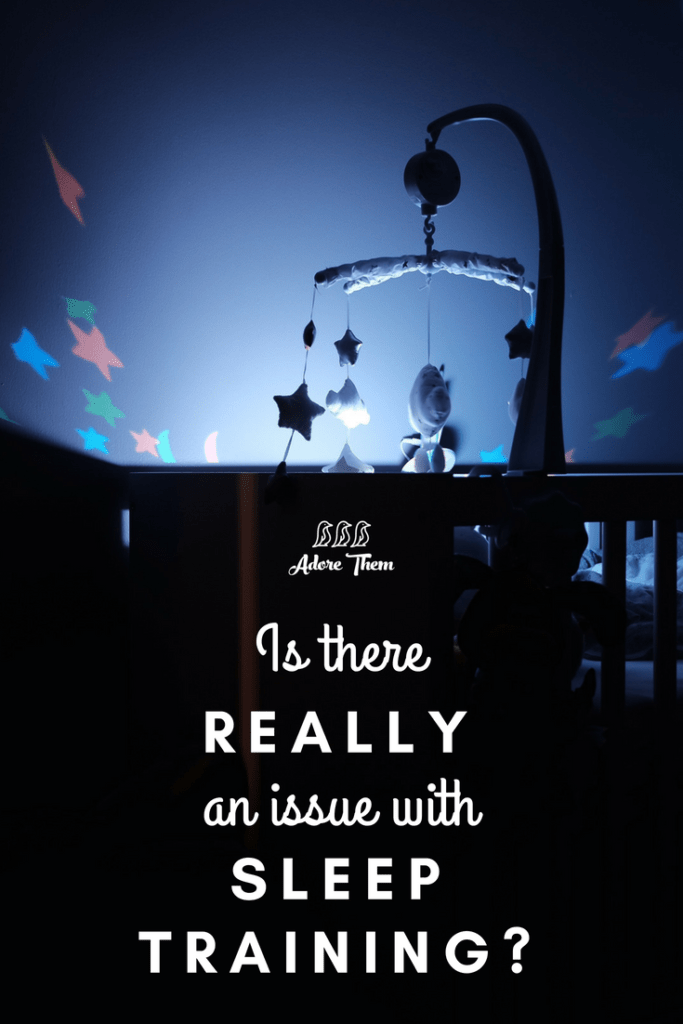
Is There Really an Issue With Sleep Training?

sleep training

If you are a parent who strongly agrees with nighttime parenting or sleep training, then this proposal is for you.

As I was driving home from my son’s most recent doctors visit, I was overwhelmed with so many emotions after his pediatrician told me that I should consider sleep training my baby. At first, my thoughts revolved around the notion that sleep training contradicts my beliefs on nighttime parenting; but after much reflection, I found that notion to be false. Lets define the purpose of nighttime parenting and sleep training.


This article is written by Sandra Noojin
For more on this topic, check out the full Sleep collection


Sleep Vocabulary

Nighttime Parenting: Parenting a child by engaging in any activity that the child needs for him to build enough security to fall asleep.

Sleep Training: Teaching your child the skills needed to sooth himself to sleep.

I completely agree with both of these definitions; and if I agree, then why is it that I have rejected sleep training? Well, what I have come to realize is that I have not rejected sleep training; but rather the current commonly used sleep training methods available.


Sleep Training Methods that I have encountered

  1. contradict my intuitive responses.
  2.  are not individualized to my baby’s needs.
  3. often do not consider teething, separation anxiety and developmental milestones.
  4.  do not regard nighttime parenting as essential. Many babies need to be parented to sleep and parented back to sleep.

The goal of sleep training is to teach children the skills required to successfully self-sooth. Helping them learn these skills involves nighttime parenting, time, patience, practice, and trial & error. This is why I am proposing a new option that combines nighttime parenting and sleep training. I have named this the Individualized Nighttime Parenting Sleep Training Guidelines.

[Read: Sleep Training at 4 Months – Why it Might Be Better to Wait]


The Concept

Thus far, I have not encountered any sleep training program that offers suggestions on how to help parents create an individualized sleep training program for their child. As an early childhood educator, to ensure that every student succeeds academically, teachers must individualize lesson plans based on two very important considerations. The first consideration is for the skills that each child has already mastered. The second is the best way to foster each child’s strengths and needs.

The same principles should apply to sleep training. The sleep training methods currently available will be successful when using them for children who have a specific type of temperament; but there is a whole population of children who are not accommodated for. If you are looking for another option, keep reading!


Individualized Nighttime Parenting Sleep Training Guidelines

Before creating an Individualized Nighttime Parenting Sleep Training Program:

Set realistic expectations for your child.

This program is not meant to be a quick solution. This is a gradual process based on a program that caregivers will design to meet the needs of their child. Remember to be flexible; remain patient; smile; stay positive; and praise even the smallest progress.

The goal is to teach children the skills needed to self sooth. 

Nighttime parenting is required.

Answer the following questions:

What is your child’s temperament? Are they easy going or strong-willed?

Is your child able to communicate when he is hungry, has a soiled diaper, or needs comfort?

What self soothing skills has your child mastered? (Example – sucking on fingers or toes? Placing pacifier in own mouth?) And, if the child has mastered self soothing skills, do these actions actually sooth the baby?

How is your child currently soothed to sleep? (Example – breastfeeding, bottle, rocking, or singing)

What are his sleep associations?

Where does your child currently sleep? (Example – crib or co-sleeping?)

How does your child react when he is placed in the crib? Are they happy or reluctant?

Do you have a nighttime routine in place?

Is your child ready for sleep training?

How do you know?

Is your child teething?

Is your child about to reach any developmental milestones?

Could your child be experiencing separation anxiety?

Any other considerations about your child before sleep training?

What is the end goal for your child? (Example – sleep in their crib all night? Maybe sleep in their crib for half of the night?)

Revisit and reflect on the answers to these questions daily to note and address any changes. 


How to Create an Individualized Nighttime Parenting Sleep Training Program

Establish a bedtime routine. 

A calm and predictable bedtime routine helps children transition into a sleepy state.


Help the child create positive associations with the crib. 

This may take time. Place your child in the crib and immediately provide verbal praise. Then partake in a reinforcing activity such as reading a book or engaging in fun social interactions. Do the activity for as long as the child will tolerate it. The goal is to gradually increase the time spent in the crib until the child intrinsically enjoys it. If the child spends only a second in the crib today; aim for a second a half tomorrow.

[Read: Promoting Healthy Sleep]


Determine whether your child is ready for sleep training. 

Once you establish a bedtime routine and positive associations with the crib, determine whether your child is developmentally ready for sleep training by reflecting on your answers to the above questions.

[Read: Sample Sleep Schedules]


Transfer or establish positive sleep associations. 

If a child is accustomed to sleep associations involving parental support such as nursing or rocking, then these dependent sleep associations need to be slowly replaced with other sleep associations independent from you. When deciding what type of sleep associations to replace established ones with; ask yourself “how is my child currently soothed to sleep?” This will help guide you when choosing new associations. For example, if you decide to replace nursing with a security item, such as a blanket or a toy, then this blanket or toy needs to be used during every nursing session until the child associates the item with the nursing experience.This process will take time and will involve trial and error. Just remember to work on replacing one sleep association at a time.


Slowly Fade Away. 

After the new sleep associations are successfully created and the child has developed a positive association with the crib, it is time to slowly fade your presence. This will also take time.


Give your child the support he needs. 

Even if your child has made progress, expect there to be nights when he needs extra nighttime parenting. Do not do the program when your child is about to reach a developmental milestone or on nights that your child is experiencing teething pain, separation anxiety, or insecurities; rather, focus on providing your child with the comfort that you are fully present when he needs you.


Provide lots of positive verbal and physical reinforcement. 

Make the nighttime routine a positive experience to encourage the development of a positive attitude towards transitioning into a sleep state and staying asleep.


If you strongly agree with nighttime parenting or sleep training and have not yet discovered a sleep training method that works for you; follow these guidelines to create a successful Individualized Nighttime Parenting Sleep Training Program for your child.

For more on this topic, check out the full Sleep collection


Featured Contributor: Sandra Noojin

Sandra Noojin is an educator, blogger, researcher, wife and mother. Read more of her work at sandrabasile.com

  • Website: thisdarlingtale.com
  • Instagram: @thisdarlingtale


ADD YOUR IMAGE CODE
sleep training

Filed Under: Sleep

Choosing The Best Sunblock For Kids

June 6, 2020

best sunscreen for kids graphic with orange background unbranded sunscreen and women's sunglasses

You may, as savvy as you are, think to beat the heat by finding ways to spend the sunniest parts of the day indoors. Indeed, for any children of six months and younger, staying inside especially between the hours of 10 am and 2 pm is recommended. However, if you are going to be going outdoors, you need to make sure that you have the right choice of sunscreen for your little ones. Below we are going to explore your options for choosing the best sunblock for kids, and how to make sure that you’re applying it correctly.


For more on this topic, check out the full Summer Safety & Activities collection


Choosing The Right Sunblock SPF

This is one of the most commonly asked questions and also one of the most misunderstood topics when talking about protection. A lot of people are under the impression that the higher the SPF, the more protection that they are going to get. However, SPF (or sun protection factor) only determines the extent of UVB ray protection in the lotion. We will talk about UV protection in a little. Furthermore, when you start to get higher than SPF 30, such as up to the SPF 50 range, you’re not going to get that much more protection. There’s nothing wrong with opting for SPF 50 sunscreen if you want to be extra-protective. However, you might be spending more money on little gain.

[Read: The Science of Sunscreen]


elementary school aged boy sitting on a soccer ball looking out into the ocean


Finding The Right Coverage

As mentioned, the SPF of a sunscreen determines how effective it is at blocking UVB rays. UVB rays are those that cause the reddening of the skin. This can lead to burns over time. There’s another kind of ray that isn’t covered by SPF protection at all, which are the UVA rays. UVA rays cause long-term damage to the skin. This can include a higher risk of wrinkles as well as skin cancer. Both types are dangerous, and both need to be blocked. As such, make sure you’re using a broad factor which will offer the best sunblock for kids. This means it blocks both UVA and UVB. If it mentions a high SPF but no broad-spectrum, it might offer good protection against sunburn. But it still opens the risk to long-term damage.

[Read: Protecting Kids from the Sun]


Mineral or Synthetic Sunblock?

There are different types of sunblock available. Even with the caveats above, there are different ingredients used to provide the blocking effect that they are used for. The two types can largely be divided into mineral sunblock and synthetic (or chemical) sunblock. Some of the active chemicals in synthetic sunblocks may be bad for your body, such as oxybenzone, which can be a hormone disruptor. What about mineral equivalents? Is non-nano zinc oxide safe and effective? By most standards, mineral alternatives that primarily use active ingredients are much less likely to have any unintended side-effects. Every individual’s skin is different. But non-nano particles do not have the tendency to get absorbed into the body through the skin, so this option might be the best sunblock for kids.

[Read: Summer Activity Ideas for Families]


picture of a toddler boy wading into the ocean looking away from the camera


What About Young Babies?

All children need to be protected from the sun. But sunblock may not be the most effective block for young babies. In particular, babies that are under the age of six months and below tend to absorb chemicals and other ingredients in sunblock a lot more than adults do. As such, it’s best to look at other measures you can take to protect your baby. Keeping them out of direct and indirect sunlight is crucial, as they have a higher risk of sunstroke. It’s best to keep them indoors. However, if you have to go out, make sure they are covered by things like a cotton onesie, a hat that provides sufficient shade, and keep them hydrated as regularly as possible. If they’re in a stroller or car seat, you can get a sunshade for them as well.

[Read: Heat Related Illnesses]


Ingredients to Look for and Avoid

As mentioned, every child’s skin is different. So you will need to choose the right sunblock for your unique child, as there might not be a solution that suits everyone. We have already looked at how mineral non-nano particles are less likely to be absorbed into the skin than nano chemical particles. But there is also the risk of allergies to consider. The biggest risk factor here is para-aminobenzoic acid (or PABA.) While it is rare, allergic reactions to this ingredient can be very severe, including trouble breathing, so it may be worth avoiding. If your child has sensitive skin, then the ingredient titanium dioxide might be well suited to prevent irritable reactions to sunscreen. This might be an ingredient you want to search for when choosing the best sunblock for kids.

[Read: Water Safety for Kids]


picture of a blue sky with the sun shining


What About Other Products that Contain Sunblock?

This is a common point of concern. If pre-teens or teenagers are using other cosmetic or skin products like moisturizers or tanning lotions, then they may think they have all the protection that they need. However, that most likely is not going to be the case. It’s best to put sunscreen on before applying makeup. Also, be aware that those cosmetics don’t really provide enough protection to keep your kids covered. It’s better to be too safe even if your kid complains about it affecting their makeup.

[Read: Free Family Fun]


Applying Sunblock Properly

How do you make sure that you’re using sunscreen properly? If your children are spending any time out in the sun and over the age of six months, they should have been wearing their sunscreen up to half an hour before they went outside. Be sure  to cover as much skin is going to be exposed to the sunlight, including their ears, hands, shoulders, feet, back of the neck, and any places where clothing might shift to expose their skin. Use at least one ounce and don’t be afraid to be overly generous with it. If your children are swimming, then be sure to check if sunscreen is water-resistant. However, water-resistant sunscreen doesn’t mean waterproof. And you will want to apply it again when they get out of the water.

[Read: How to Safely Prepare for the Pool]


With the tips above, hopefully you should feel a little more secure about choosing the right sunscreen for you and your family. It’s better to be cautious and apply it as a precaution on particularly hot days. Just make sure you’re protecting all children regardless of age or skin stone.

For more on this topic, check out the full Summer Safety & Activities collection

best sunscreen for kids graphic with orange background unbranded sunscreen and women's sunglasses

Filed Under: Summer Safety and Activities

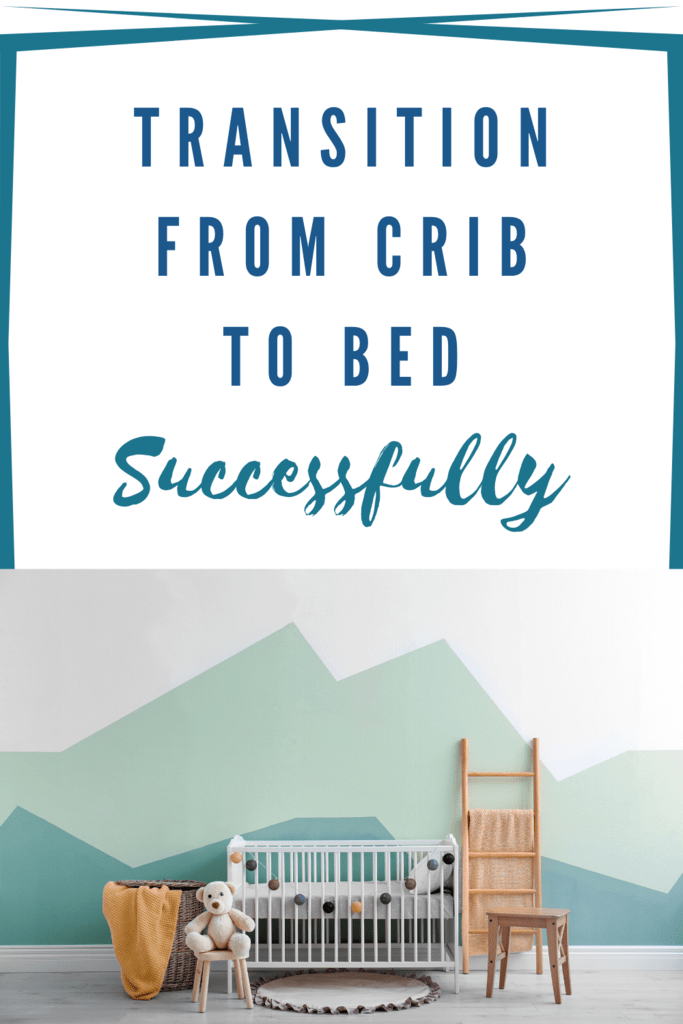
How to Transition from Crib to Bed Successfully

My husband Ken and I have often shared parenting stories back and forth with our friends, because what parent honestly has it all figured out? What parent can’t take some comfort in hearing another parent’s horror story, and even better—championing a parenting success! Our girls are 7 and 9-years-old now, but we still refer to their potty training as “the dark months”. And their crib-to-bed transition is still our favorite success to date! So how did we transition from crib to bed without any tears?


This article is written by Nicole Kilgore
For more on this topic, check out the full Sleep collection


When my husband and I decided we wanted baby #2, one of our first thoughts was how it would affect our then 14 month old. One of the items on the VERY long list, was transitioning her from her crib to a bed. For whatever reason, my husband and I had our minds set on not having two children in cribs. Perhaps it was because we didn’t have, and/or didn’t want to purchase, another crib! But how do you get a child that small to sleep in a bed? Even more so, how do you keep them safe? With 9 months to decide, we put the issue on the back burner.


Fast forward 8 months….

I was heavily pregnant with a very active toddler. The idea of getting her potty trained ‘before the baby’ was thrown out the window. (Anyone else with me on the horrors of potty training?!?!) But we still needed a solution to changing the sleeping arrangements.

For those of you who have been pregnant, you know that those last few weeks can be highly emotional. For me, I was constantly worrying about how baby #2 would affect our sweet little Lily. I was petrified she would feel pushed aside, second best, etc.

One of my biggest fears was taking her from her crib—the only place she had ever slept— would make her feel even more displaced. At this point I should mention that our Lily slept through the night at 5 weeks. I’m talking 8 pm to 7 am. We knew how lucky we were and knew that it would probably not happen again. With a newborn coming shortly, sleepless nights were imminent, especially if we were fighting with a toddler to stay in her bed.

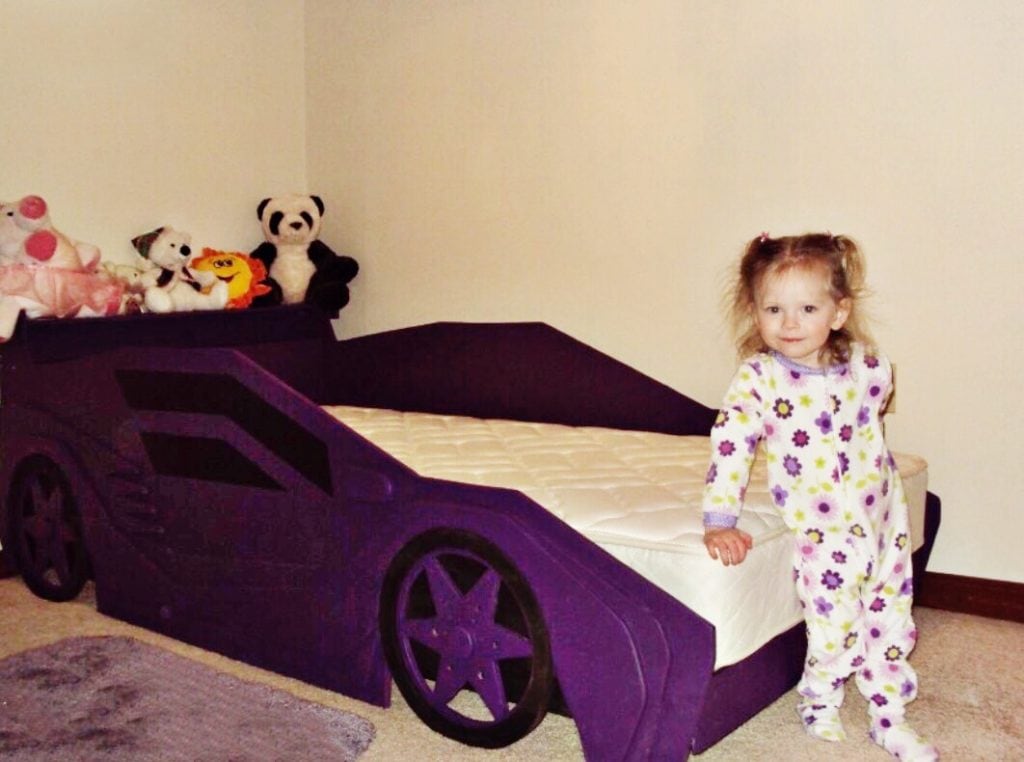
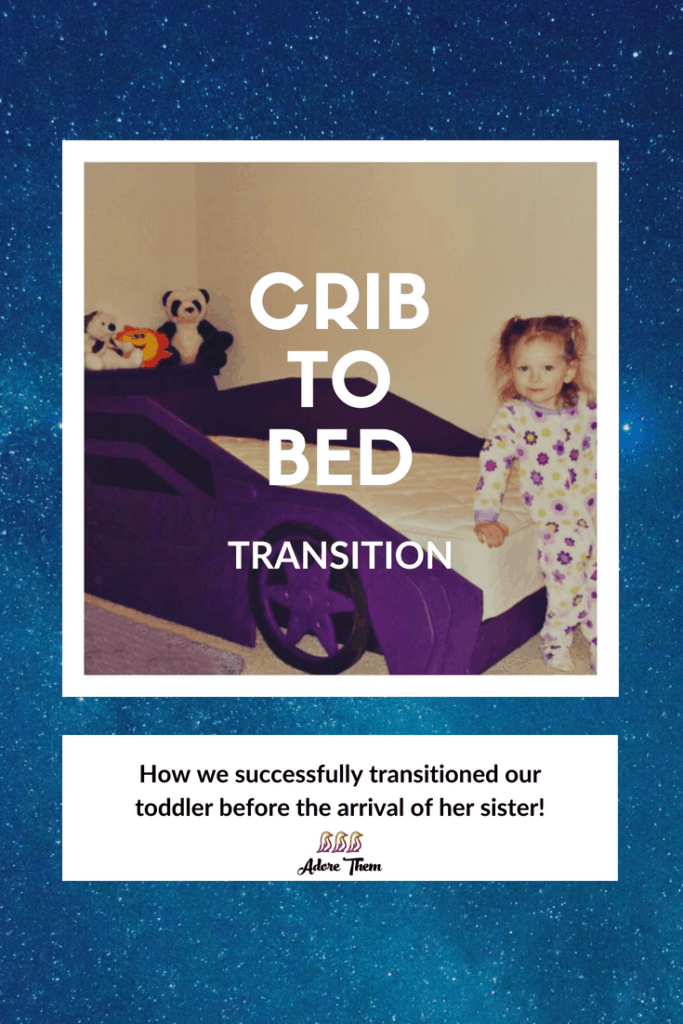
To make matters more difficult, our daughter decided she wanted a purple race car bed. Nothing else would do. We had to get a purple race car bed for Miss Lily!


20 Free Printable Bedtime Charts

For more on this topic, check out the full Sleep collection


So, How Did We Transition from Crib to Bed?

My husband Ken is a handy guy. He knows how to fix anything, and if he doesn’t know, he will teach himself.  As a CADD designer by trade, Ken sat down and drafted plans for a purple race car bed for our Lily.

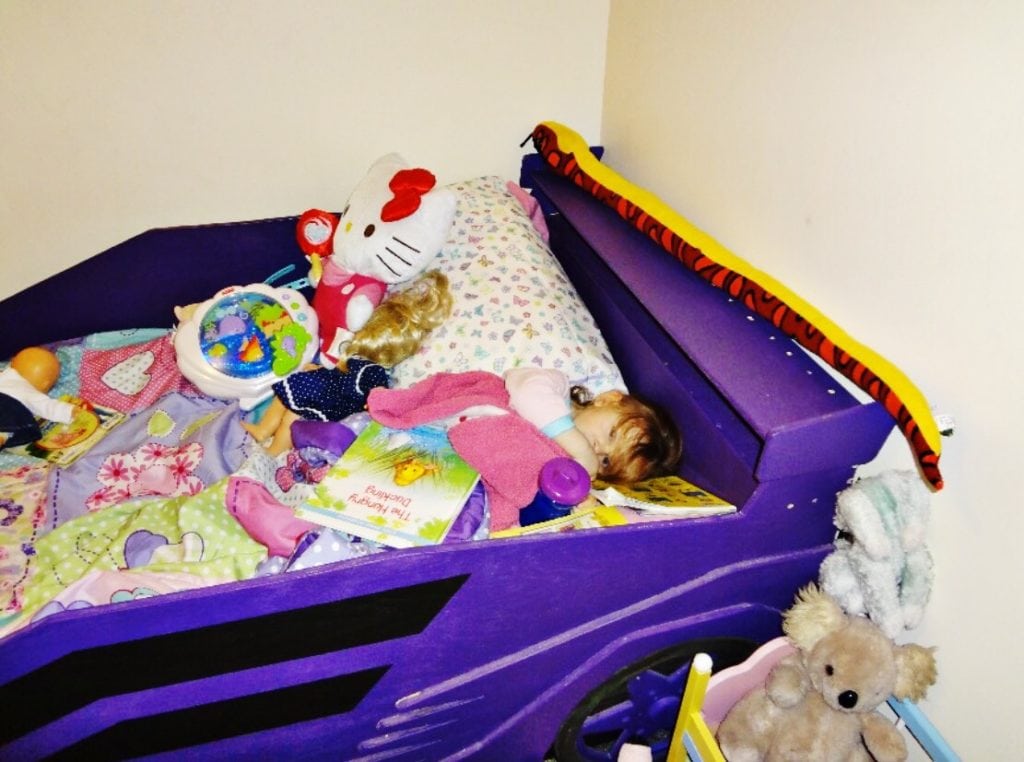
He made the bed low to the ground, with high sides for safety. It was gorgeous; our daughter loved it! In fact, Lily loved it so much that going to bed was a treat because she could drive off to dreamland. She never attempted to get out; she never fought us about going to bed. Even better? She didn’t want anything to do with her baby sibling’s crib because she was a big girl!

With a few weeks left in my pregnancy, we had not only accomplished getting Lily into her big girl bed and sleeping through the night, but the transition process made her feel special. She didn’t feel displaced by baby, and she kept right on sleeping through the night. Double win for us!

As I said, our girls are now 7 and 9. We still don’t have it all figured out and we still have epic parenting fails. I hope our race car bed story can help other parents with their little one’s crib-to-bed transition. More importantly, I hope this inspires other parents to shout out their successes for others to hear!

Lily with her brand new race car bed at 23 months old!

Little sister Shelby with the same bed 2 years later!

For more on this topic, check out the full Sleep collection


Featured Contributor: Nicole Kilgore

Nicole is a dental hygienist with over 17 years in the field. She is passionate about children’s dental health, and educating the public as to how it is linked to overall health. And it just so happens that her husband, Ken Kilgore, also shares an interest on keeping kids healthy and safe — he makes customized children’s beds to help a child transition from crib to big kids bed in a fun way.

  • Email: Nrkilgore82@gmail.com
  • Website: TradecraftSpecialties.com
  • Facebook: Tradecraft Specialties


Filed Under: Sleep

Maria’s Hummus – a Healthy Late Night Snack

healthy late night snack

A healthy late night snack for my kids is a yogurt, a warm glass of milk, or some fruit. Another favorite in our house is this hummus recipe.

…

Read More

Filed Under: Recipes, Sleep

What to Keep on Your Nightstand & Relaxation Techniques

Relaxation Techniques

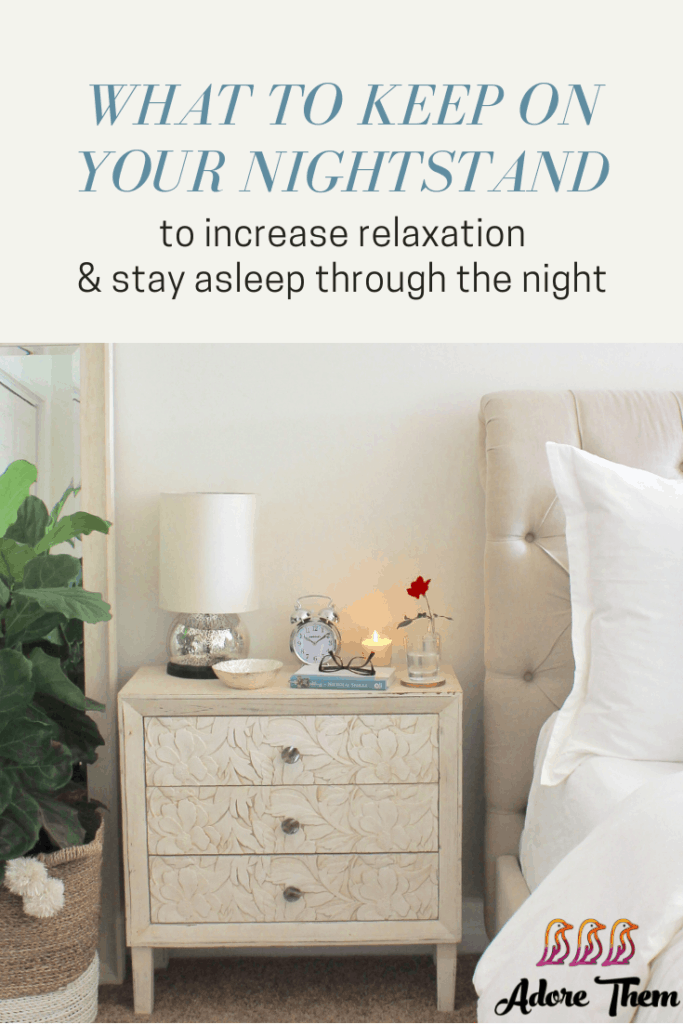
Everyone needs and appreciates a good night of sleep! And I think we can all admit that an increase in relaxation would be very beneficial! But have you ever considered what is on your nightstand? Read below to learn more about my relaxation techniques!


This article is written by Pamela Rineer
For more on this topic, check out the full Sleep and DIY Projects collections


Relaxation Techniques

Your nightstand is the last thing you see before closing your eyes. We all know that clutter does not help the mind to relax, and yet so often our bed side table turns into a dumping ground for all types of odds and ends.

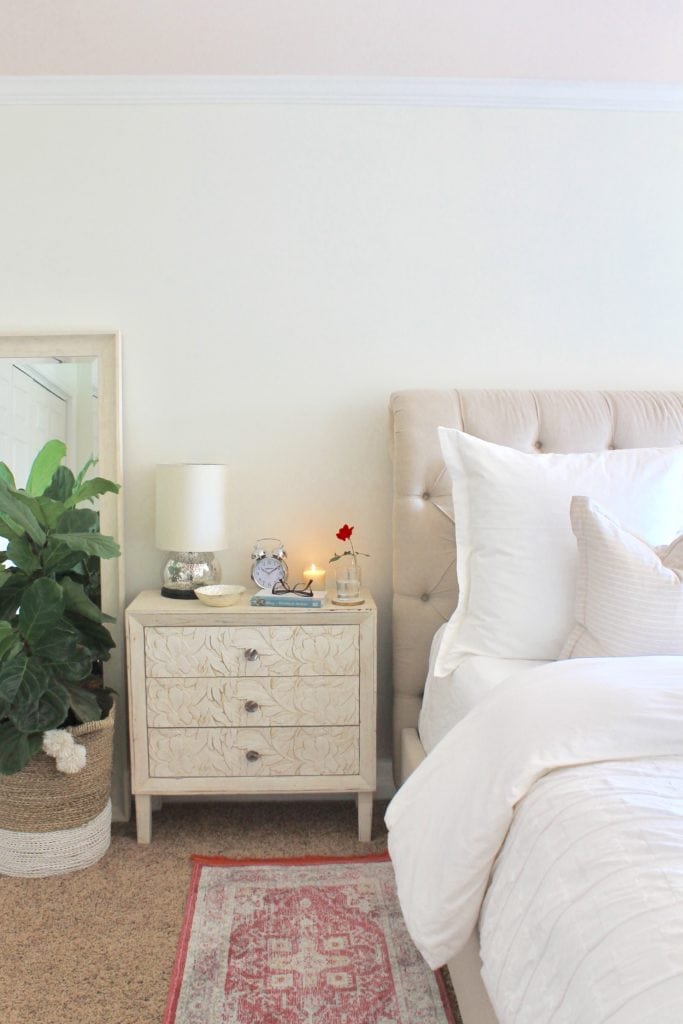
Consider organizing the space beside your bed to increase relaxation, and help you stay asleep through the night. First, clear everything off of your nightstand. Now only add back these items:


Nightstand Items for Relaxation:

1.  Easy to reach bedside light.

2.  Book you’re currently reading or journal. This should be light in content, save the heavy stuff for waking hours. Other books should be kept out of sight so that you don’t feel pressure to get through one to the next. 

3.  Classic glass decanter of water to prevent trips up and down the stairs to the kitchen.

4.  A small travel clock with an alarm function. Phones can be kept in the room, but not on the bedside table. Having a phone bedside you can be distracting when falling asleep, or if you wake during the night. Consider keeping your phone on your dresser or just a few steps away in case of emergency if needed.

5.  Small dish to store jewelry and watches.

6.  Candle or diffuser in a relaxing scent, try lavender or eucalyptus. 

7.  Small bouquet or plant. 

8.  This last tip is not so much for the nightstand, but will help your mind relax – Make your bed. By making your bed each morning, it creates an invitation when you approach it in the evening.


For more on this topic, check out the full Sleep and DIY Projects collections


Featured Contributor: Pamela Rineer

Pamela Rineer lives in Lititz, PA with her husband, two boys, and very large goldendoodle. With a love of real estate, design, and money management she began rennovating their homes on a budget. Now, settling into their fifth house, she shares simple DIY’s for all things home.

    • Instagram: @pamelarineerinteriors  
    • Facebook: @pamelarineerinteriors
    • Pinterest: @pamelarineerinteriors
    • Website: pamelarineerinteriors.weebly.com


Relaxation Techniques

Filed Under: DIY, Sleep

  • « Go to Previous Page
  • Page 1
  • Interim pages omitted …
  • Page 87
  • Page 88
  • Page 89
  • Page 90
  • Page 91
  • Interim pages omitted …
  • Page 134
  • Go to Next Page »

Copyright© 2026 · Brunch Pro Theme by Shay Bocks

We use cookies on our website to give you the most relevant experience by remembering your preferences and repeat visits. By clicking “Accept”, you consent to the use of ALL the cookies.
Cookie settingsCLOSE and ACCEPT
Manage consent

Privacy Overview

This website uses cookies to improve your experience while you navigate through the website. Out of these, the cookies that are categorized as necessary are stored on your browser as they are essential for the working of basic functionalities of the website. We also use third-party cookies that help us analyze and understand how you use this website. These cookies will be stored in your browser only with your consent. You also have the option to opt-out of these cookies. But opting out of some of these cookies may affect your browsing experience.
Necessary
Always Enabled
Necessary cookies are absolutely essential for the website to function properly. This category only includes cookies that ensures basic functionalities and security features of the website. These cookies do not store any personal information.
Non-necessary
Any cookies that may not be particularly necessary for the website to function and is used specifically to collect user personal data via analytics, ads, other embedded contents are termed as non-necessary cookies. It is mandatory to procure user consent prior to running these cookies on your website.
SAVE & ACCEPT