• Skip to main content

Adore Them Parenting

Practical Positive Parenting Advice and Resources

Practical Positive Parenting

Go here for our book!

  • About Us
  • Our Book
  • Parenting Advice
    • Raising Children
    • Family Life
    • Seasonal
    • View All Topics
  • Free Printables
  • In the Media
  • Shop

Karissa Tunis

First Aid Checklist Printables for the Summer

April 6, 2021

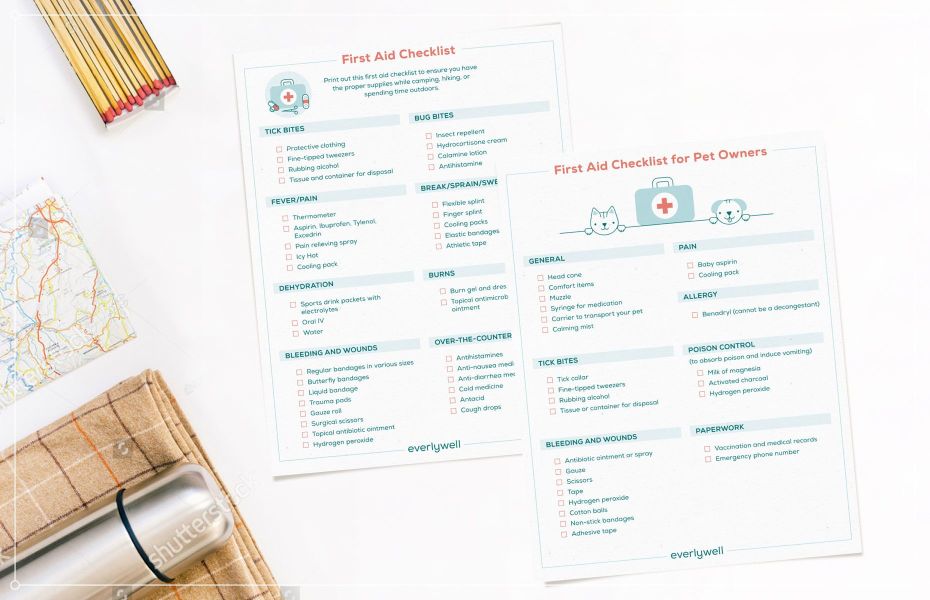
first aid checklists graphic with mockup of printables

First Aid Checklist Printables for the Summer

Whether you’re at home or in the great outdoors, it’s important to be prepared for any emergency. This starts with having the proper tools and equipment to handle anything from minor injuries to medical emergencies. You can print out and use the first-aid checklists to ensure you’re prepared for the unexpected.


First Aid Checklist Printables for the Summer


While the warmer months are optimal for enjoying the outdoors, they also have the best conditions for ticks. If you’ve spent time in wooded or grassy areas while hiking or camping, you may have encountered ticks before — and been at risk for tick bites.

With camping season in full gear, it’s important that you and your kids are educated on ticks and outdoor safety measures. Read on to ensure that you, your kids and pets stay safe and healthy in the outdoors.


How To Prevent Tick Bites and Infection

Although most ticks are harmless, some tick bites can transmit bacteria that cause illnesses like Lyme disease and Rocky Mountain spotted fever in both humans and their pets. If you are spending time outdoors, be sure to follow these tips to help prevent any tick bites.


  1. Avoid grassy, bushy, and wooded areas
  2. Wear protective clothing 
  3. Use EPA-registered insect repellent
  4. Regularly check gear, skin and/or clothing for ticks
  5. Shower after being outdoors


Camping With Your Kids

If you have children, make sure to educate them on ticks and other outdoor safety measures. This is especially important if your children go on camping trips with you, spend a lot of time playing outdoors, or go off to summer camp. Educating your children on tick-infested areas to avoid, and the importance of wearing protective clothing that covers their arms and legs (if weather permits), can go a long way in preventing tick bites and infections.

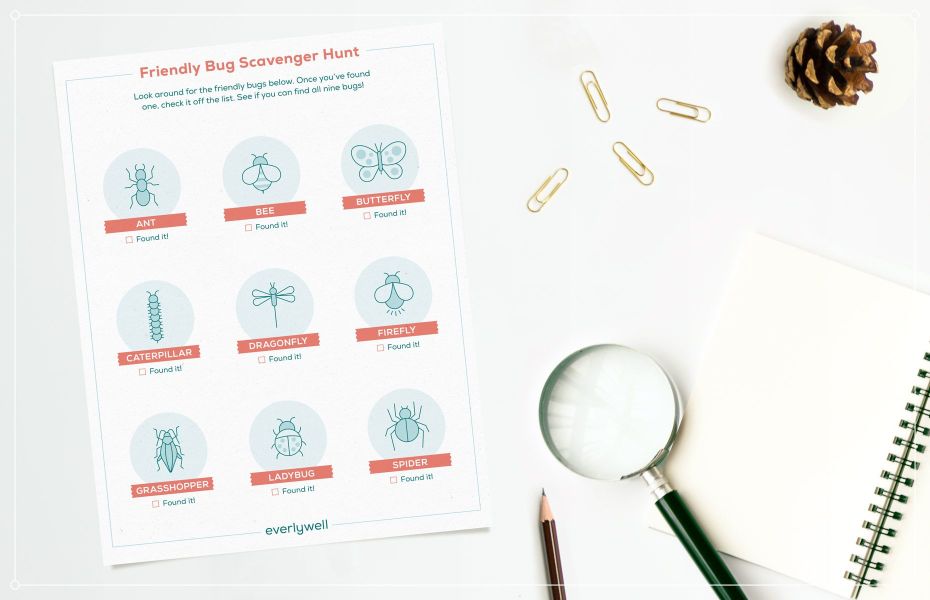
That said, not all bugs are harmful and dangerous — and if you’re being safe, camping should be enjoyable for everyone. If you’re camping with kids this year, check out this friendly bug scavenger hunt to spot friendly, crawling critters, and learning what types of bugs should definitely be avoided when outdoors.

[ Read: Camping with Kids ]


Friendly Bug Scavenger Hunt Printable
For more on this topic, check out the full Summer Safety & Activities collection
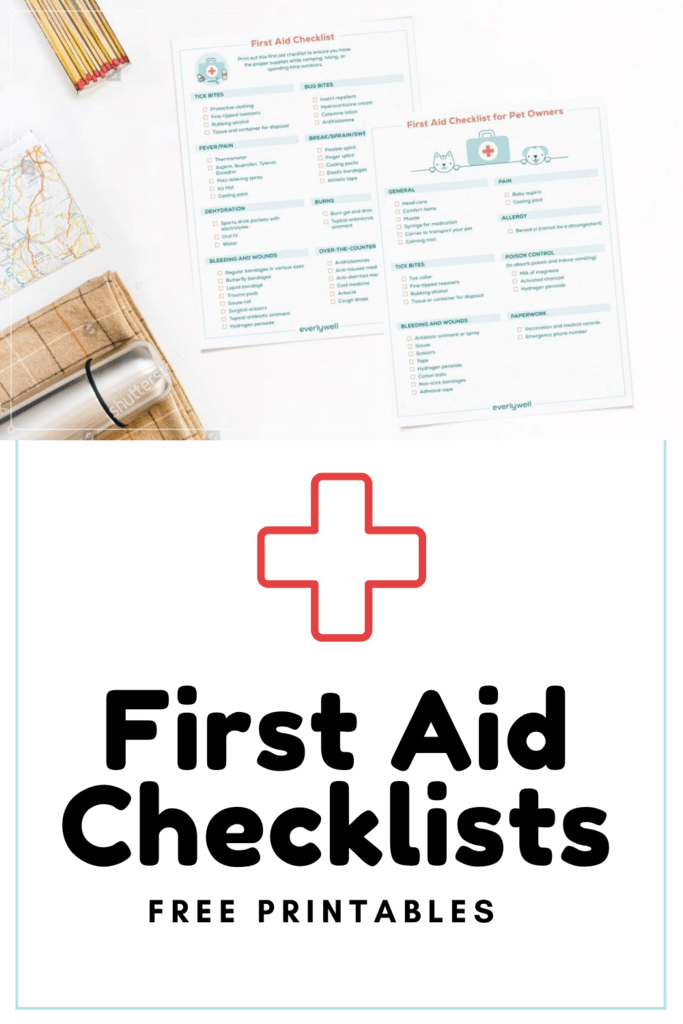

first aid checklists graphic with mockup of printables

Filed Under: Summer Safety and Activities

10 Simple Ways Kids Can Help the Earth

How kids can help the earth 2

From a young age, children are interested in the world around them, and how to help the Earth as a kid! Earth Day gives us a unique opportunity to talk more about how our kids can help this wonderful planet that we inhabit. Kids can help save the Earth by making small changes now that will last them a lifetime! Keep reading for how kids can help the Earth…
…

Read More

Filed Under: Helping Others

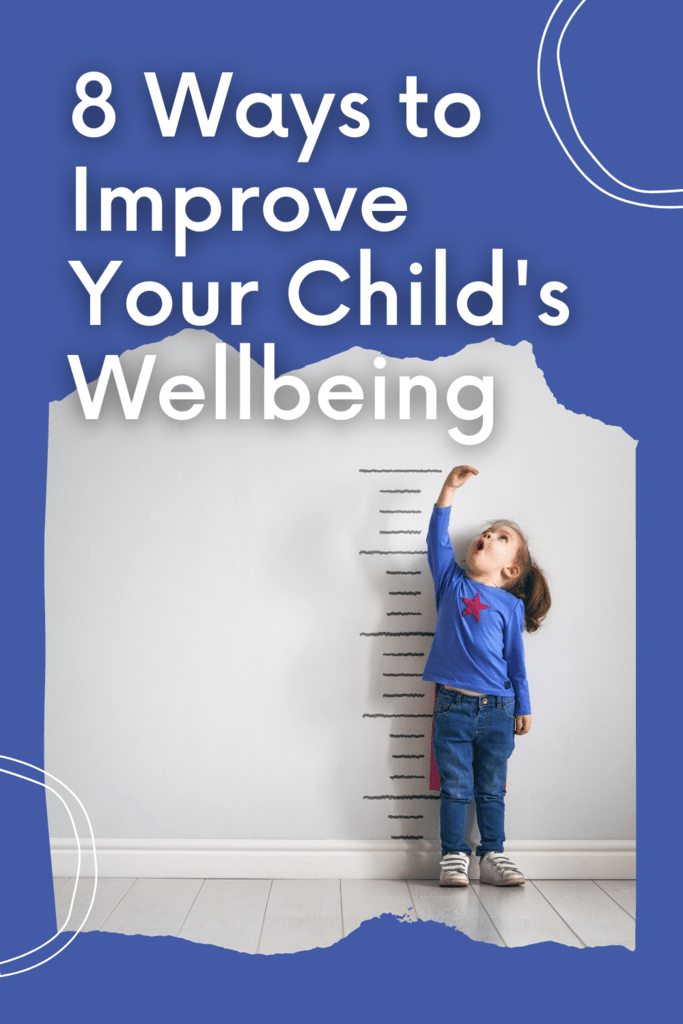
8 Ways To Improve Your Child’s Wellbeing and Health

Raising growing children the healthy way is never an easy task. The physical, emotional, and mental health of your child plays a significant role in how they navigate through this period of their lives. Today, many kids suffer from health issues such as obesity, cardiovascular diseases, diabetes, and high blood pressure. These diseases give parents more reasons to protect their children by encouraging and promoting an environment that improves their children’s health. So, how can you improve your child’s wellbeing today? Continue reading below to find out!


For more on this topic, check out the full Staying Healthy collection


8 Ways to Improve Your Child’s Wellbeing and Overall Health

Here are 8 tips you should consider in order to help improve your child’s wellbeing and reduce their risk of developing health issues down the road.


Encourage Oral Health Habits

For a growing child, dental care is critical. In the United States, cavities are one of the most chronic childhood diseases. A cavity, or tooth decay, is a hole that forms in the tooth. It is caused by a sticky substance called plaque formed through the combination of bacteria, food particles, saliva, and acid. This substance sticks to your teeth and slowly erodes the enamel (the teeth’ protective coating). This is why regular dental care is necessary.

Encouraging a habit of regular brushing in your children can prevent the formation of plaque. You can do this by ensuring your children brush their teeth twice a day for two minutes. You can set a “teeth brushing timer” for them to follow; they stop brushing when the timer goes off. Since cavities take some time to develop, it can be challenging to realize the situation exists. However, regular dental check-ups can identify the problem before it gets worse. If you have not taken your children to the dentist in a while, it’s time to change that! A professional cleaning will help improve your child’s wellbeing.

Improve Your Child’s Health


Serve Healthier Meals

You know how the saying goes: You are what you eat. Therefore, to improve your child’s wellbeing, you would need to make changes to their meal plans and eating habits. Consider replacing meat proteins with other sources such as beans. This would give them a chance to absorb a variety of minerals in their meals. Include fruits and vegetables in their diets as this food group is rich in immune-boosting nutrients that help the body fight off infections. They do this by increasing its production of white blood cells and antibodies.

You should conduct more research on various food components such as the best herbs for kidney and urinary tract health and foods that can aid your children’s cognitive development. Better still, speak to your doctor about the appropriate diets for their ages. Encourage your children to drink more water and cut down on their consumption of sugary, fizzy drinks. Once a week, you should have your children join you in making a healthy meal. By involving them in the meal preparation, you teach them the importance of a healthy meal. It also gives them time to bond with you.

[Read: How to Get Your Kids to Eat More Veggies]


Spend Time Outdoors

Being healthy doesn’t mean spending all the time indoors. Occasionally, you should take your children outdoors to explore and get some sun. The sun’s rays are the primary source of Vitamin D. The nutrient is essential in building strong bone structures and immune systems in children and adults. Spending an average of 10-15 minutes in the sun would go a long way in helping your children absorb enough Vitamin D to prevent deficiency.

According to scientists, the best time to be in the sun is before 10 am, or just after 4 pm, to prevent sun damage. During these times, you can plan outdoor activities with your children, such as gardening, swimming, visiting the park, or just sitting in the backyard and enjoying the sun’s warmth. No matter what the activity and time of day, it is advisable that your child has sunscreen on to avoid any damage from the UV rays they would be exposed to.

[Read: The Science of Sunscreen – Helpful Facts for the Whole Family]


Exercise Together

An active family is a healthy family, and the benefits adults experience from frequent exercise apply to children. Exercise boosts their immune system, makes their cardiovascular system healthy, and naturally relieves them of the chronic constipation complaints commonly made by children. Doing workout routines as a family, instead of leaving your children to do it on their own, helps you bond as a unit and installs this habit in your children for years to come.

However, apart from doing workout routines together, introduce innovative ways to keep your children active. You should consider limiting TV and screen time during the day. Instead try including more physical activities into your family’s daily routine, such as going for a stroll after supper or even allocate chores around the house. These short sessions of movement during the day help your kids develop an active and healthy lifestyle.

Set an Early Bedtime

Several reports have stated that children who get an adequate amount of sleep regularly have improved attention, memory, and overall physical and mental health. Sleep deprivation may make your child susceptible to various illnesses as the body’s immune system’s efficiency is reduced, making it difficult for it to attack microbes and other harmful viruses and bacteria. The consistent lack of sleep could also lead to high blood pressure and obesity.

The required hours of sleep for children usually depend on their age. According to the American Academy of Pediatrics, infants below a year old need about 12-16 hours of sleep, while toddlers between one and five years need an average of 14 hours of sleep. The Academy advises that children between the age of 6 and 12 get an average of 12 hours of sleep, and teenagers should get about 8 to 10 hours. By setting an early bedtime, you ensure that your children get the required amount of sleep. It also ensures that they wake up bright and early the next day.

[Read: Sleep for The Entire Family]


Boost Your Children’s Self-Esteem

Encouraging your little one to feel good about themselves is an essential way to help improve your child’s wellbeing. Research shows that children with high self-esteem excel better in life because they can cope with their mistakes and are not afraid to try new things. On the other hand, children with low self-esteem have trouble standing up for themselves, give up easily, are not adventurous, and do not cope well with their mistakes. As parents, there are several ways you can help boost your child’s self-esteem. You can help your children try new things. However, you should let them try it independently and offer assistance when needed.

You can also boost their self-esteem by praising them for overcoming challenges or an effort to do so. Be sure not to over-praise them as false praises do not sound sincere, and your child would notice this. You should also shower them with compliments on their appearances and how they think and avoid giving them harsh criticisms. Instead, help them identify their strengths by looking at things they enjoy doing and are good at. Then help them focus on these strengths and develop them. Doing this creates a space for your child to build self-esteem and improve their mental wellbeing.


Create An Environment Your Children Can Feel Safe In

Children, especially in the early stages of childhood, need love and support from their families. This helps them improve upon their mental and emotional well-being. You can create a safe emotional environment for your children by teaching them how to express themselves. How can you do this? First, teach them the basic information on social, emotional, and mental wellbeing.

Let them understand that it is okay for them to feel other feelings apart from being happy. Teach them how to express emotions such as anger and sadness appropriately.  Ask them about their day to get to know what they have to deal with at school so you can help them find a solution. Listen to them attentively, even if it may sound like a wild goose tale. Listening to your children makes them feel safe and appreciated. It also establishes effective communication between you and them, as they would listen to you and open up. Making your kids feel safe is crucial to helping improve your child’s wellbeing!

[Read: All About Child Behavior]


Regular trips to the doctor

Children are very active and expose themselves to harmful germs, bacteria, and viruses. You should help them cultivate the habit of taking regular baths and washing their hands regularly. If your kids complain of being ill, keep them at home to rest. However, to ensure that they receive good healthcare, take your children to see the doctor regularly. Some health issues may take a while to show, and when they do, they may have reached a critical stage. Also, your child may not be able to inform you that they feel a bit unwell. Regular checks to the doctor’s office would help identify health issues immediately and have them treated. You can also receive expert advice on raising your children the healthy way from the doctor.

improve your child's wellbeing

You Can Help Improve Your Child’s Wellbeing

The truth is, you play the most crucial role in ensuring your child develops and lives a healthy lifestyle. Adapting these eight tips into your family’s routine will help you see significant changes and results in your children! So help put them on the right path to good health. Try out these tips today to be the proud parents of physically, mentally, and emotionally healthy children!

For more on this topic, check out the full Staying Healthy collection


Filed Under: Staying Healthy

What Are The Key Questions You Want To Ask About Food?

There are plenty of articles online that encourage parents to hide vegetables into everyday food and trick picky eaters into being healthy. One of the most common reasons for this is the lack of choice. Children are still developing their palates, which is why it can all seem like a huge hit-and-miss game for parents. How do I find something my child will eat? Keep reading below to learn what key questions you want to ask about food.


For more on this topic, check out the full Staying Healthy collection


Key Questions You Want To Ask About Food

There’s no miracle. You have to carry on introducing your children to new foods and recipes. However, the fear of not finding something they’d like can completely transform your approach to food. It’s not uncommon to meet parents who are so concerned about the taste that they are willing to buy unhealthy snacks because the kids will eat them. In truth, it can take time to develop your child’s taste buds and food preferences. Opting for flavors that have been specifically designed for kids could contribute to developing their taste for junk food, sugary sweets, and other addictive and unhealthy flavors. Instead, here are thoughts you need to consider when it comes to food.

#1. Does it keep teeth healthy?

Approximately 43% of children aged 2 to 19 have cavities. A lot of families introduce early dental care routines to children. More and more parents are buying their baby toothbrushes to introduce young children and toddlers to a dental routine, even before they start growing teeth. It’s important to encourage children to look after their teeth and feel comfortable during a dental checkup. However, contrary to common belief, regular brushing and flossing aren’t all it takes to have a healthy smile. The food you eat can also have a huge impact. We all know to avoid sugary sweets and candies. But many parents don’t realize how dangerous soft drinks, pickles, crackers, and citrus fruits can be. Pickles and citrus fruits are highly acidic and can wear off the tooth enamel. Soft drinks often contain sugar. But even sugar-free drinks are risky due to acid content. Finally, crackers are refined carbs that can lead to gum inflammation.


#2. Does it have lasting benefits?

Ideally, you want food to support your child’s health and development. That’s precisely where this No Evil Foods review hit the nail on the head. The plant-based meat company fills its products with natural vitamins and minerals. It’s easier to fuel the body when you don’t need to choose between protein and vitamins. A plant-based diet also improves your health dramatically. It can help tackle blood pressure, reducing risks of developing hypertension in later years. As more and more kids develop type 2 diabetes, it’s encouraging to know that a plant-based diet can prevent it.


#3. Are allergies a risk?

Last but not least, one of the questions you want to ask about food is the risk for allergies. Families that are at high risk of food allergies know that it can be tricky to keep unhealthy or potentially dangerous food at bay. However, if your children are likely to have an allergic reaction, it’s helpful to identify the food groups that could trigger a reaction. Cow’s milk, eggs, tree nuts and peanuts, shellfish, wheat, soy, and fish are things you want to avoid in case of doubt.


Remember, Questions You Want to Ask About Food Are For Your Child’s Health Long Term

Helping our children to consume healthy food is no walk in the park. As a parent, you want to focus on the health benefits, reducing dental cavities, risk of future health disorders, and potential allergies. Besides, keeping sugary food and junk treats at bay will also prevent addictive food cravings!

For more on this topic, check out the full Staying Healthy collection


Filed Under: Staying Healthy

5 Free Teeth Printables for Kids to Encourage Good Dental Hygiene

free teeth printables for kids graphic with mockup of tooth fairy receipt

5 Free Teeth Printables for Kids to Encourage Good Dental Hygiene

It’s no secret that getting your child to brush their teeth can be a bit of a battle. For some kids, tooth brushing is just one more task to their morning routine or before they get tucked in at night. But establishing healthy oral hygiene habits from a young age is so important in setting your child up with healthy teeth throughout their life. 

As your child grows older and begins to brush their teeth on their own, it’s important to keep a few tips in mind from the American Dental Association on brushing best practices. 

  • Position the tooth brush at a 45-degree angle to the gums. 
  • Gently move the brush back and forth in short (tooth-wide) movements.
  • Brush the outer, inner, and tops of the teeth.
  • When cleaning the inner surfaces of your teeth, tilt the brush vertically and make several up and down motions.

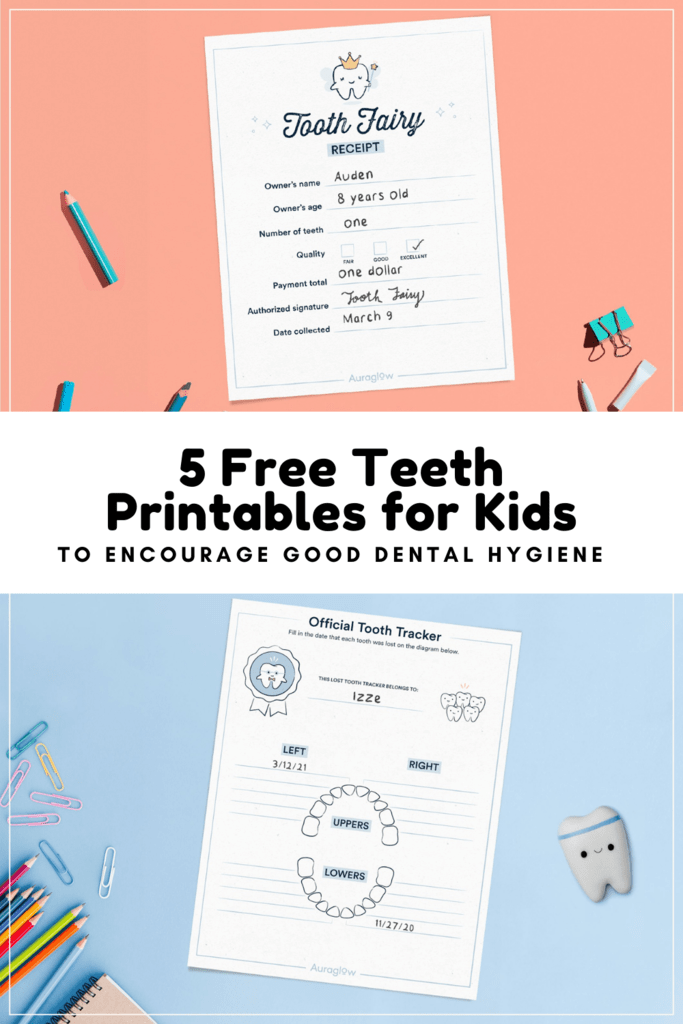
Luckily, there are some activities you can use to make tooth brushing all the more fun and exciting for your child. Auraglow created five free dental health printables for kids to help you and your child create a fun tooth brushing routine, complete with a tooth fairy receipt and a daily brushing tracker. And with March being Oral Health Month, there’s no better time to introduce these printables to your brushing routine! 


Free Teeth Printables for Kids

Includes 5 fun printables to encourage good dental hygiene:

Tooth Fairy Receipt – Tooth Brushing Tracker – Teeth Brushing Stickers – Smile Coloring Page – Official Tooth Tracker

This slideshow requires JavaScript.


For more on this topic, check out the full Staying Healthy collection

free teeth printables for kids graphic with mockup of tooth fairy receipt

Filed Under: Free Printables, Staying Healthy

Reduce the Impact of Divorce on Your Kids

reduce the impact of divorce on your kids graphic

Reduce the Impact of Divorce on Your Kids

Going through a divorce can be challenging for couples, but things can be even more difficult if you share children with your partner. Even if you feel confident that divorce is the right option. it’s important to find ways to reduce the impact of divorce on your kids. Whether they’re toddlers or teens, there’s no doubt that adjusting to a new way of life will have a practical and emotional effect on them. 

Both parents can support and guide their children so that they can overcome the challenges that divorce brings and enjoy their new family life. To find out how you can reduce the impact of divorce on your kids, take a look at these top tips…


Don’t Delay Your Decision

Many couples try and stay together for the sake of their children, even when they no longer want to remain married to their partner. Sadly, this can often have disastrous consequences. If you and your spouse routinely argue or the atmosphere at home is toxic, for example, this will inevitably have a negative impact on your children. 

In contrast, a divorce that’s well-handled by both parties exposes your kids to fewer arguments and disagreements and means that you’ll harbor less resentment towards your spouse. While it can take time to decide whether a marriage really is over, don’t let anger, frustration, or jealousy spill over into day-to-day family life. Instead, show your children how the breakdown of a relationship can be handled with compassion, civility, and kindness. 


Have a Short-Term Plan

When you tell your kids that you’re getting a divorce, expect them to have a lot of questions about the practical aspects of the situation. They may ask who they’ll live with, where their non-resident parent will live, how often they can see, if they’ll have to move to a new home or change schools, for example. 

Of course, you probably won’t be able to answer all of their questions just yet. After all, a divorce can take a long time to be concluded. However, having a short-term plan will enable you to provide them with some information and alleviate their worries. With the goal always being to reduce the impact of divorce on your kids.

If you or your partner will be moving out of the family home, for example, try to figure out where you’ll be living before you tell your kids that you’re getting a divorce. Similarly, decide how frequently they’ll be able to spend time with each parent while custody discussions are on-going. By doing so, you’ll feel more confident when talking to your kids about the upcoming divorce and there will be less confusion on their side. 

Know Your Rights

No matter how amicable your separation is, it’s vital to know what your legal rights before you begin the divorce process. When you talk to a family law expert, you can find out how the divorce procedure works, how your finances should be split, and how to come to an agreement regarding the custody of your children. Although these matters can be decided by a court, you may find that you and your spouse are able to come to a voluntary agreement once you know what your rights are. 

Actually ending a marriage via divorce isn’t particularly difficult but other aspects of the situation can be harder to resolve. If both parents would like to have full custody, for example, it might take some negotiation before an agreement can be reached. Alternatively, it could end in a lengthy court battle if neither parent is willing to negotiate. Before you can decide how to approach these issues, however, you’ll need to know exactly what the law says, which is why getting legal advice is so important. 


Spend Time Together as a Family

When couples divorce, kids often end up spending their time with either their mom or their dad. Understandably, spouses may find it difficult to be in the same room as one another if they’re going through a messy breakup or an acrimonious divorce. 

If you’re able to put your feelings to one side and spend time together as a family, however, this can be a great way to show your kids that you and your partner are still a united front. Even when parents get divorced, their children’s welfare is always the top priority, so remaining on speaking terms is beneficial for everyone.  

If you’re all going to remain in the family home while the details of your separation are finalized, it’s particularly important that you’re able to get on with your soon-to-be ex-partner. Arguments, stony silences, and passive-aggressive comments won’t go unnoticed and can have a negative impact on your child’s well-being, so be sure to bear this in mind. 

To help your kids feel more settled as their lives change, try and continue taking part in family-based activities, such as days out or school events. This will ensure that your kids feel comfortable spending time with both parents at the same time and don’t experience any unnecessary awkwardness. 

Maintain a Routine

Children respond well to routines and any sudden changes to their day-to-day lives can increase the impact your divorce has on them. By still doing the school run, watching them play sports, and inviting their friends over, for example, you can ensure that their lives continue as normal, despite the fact their parents are getting divorced. 

As well as providing them with a sense of normalcy, these regular activities can also be a welcome distraction for kids. Similarly, spending time with their peers will give them an outlet and enable them to talk to someone else about what’s happening at home. If your kid has friends whose parents are divorced, for example, they might feel reassured by seeing how well their family copes with parents who are separated. 


Be Available to Talk

After telling your children that you’re going to get a divorce, be around to answer any questions they may have. And give them the opportunity to process things in their own time. Over the coming days, weeks, or months, however, they might have a number of questions or concerns. You can encourage your kids to open up to you about any worries they may have by simply being available.

Internalizing fears or concerns can lead to anxiety and low mood, so it’s important that your kids have someone to talk to. Your child might be reluctant to talk to you. But they need to have someone to confide in. This might be a grandparent, aunt, uncle, family friend, teacher, or a therapist. Whoever they feel able to talk to, encourage them to speak freely and openly. 

Dealing with a Divorce When you Have Kids

If you want to minimize the impact a divorce has on your kids, it’s vital to put their interests first. You’re going to share children for the rest of your lives. So focus on the long-term, rather than any temporary anger or frustration you might be feeling. 

When it comes to financial settlements and custody of your kids, a collaborative approach is often far less disruptive than a court battle. If you can mediate with your ex-partner and make joint decisions that are in your children’s best interests, for example, you can handle your divorce more swiftly and amicable. 

Although divorce can be devastating for everyone involved, it needn’t have a long-term negative impact on your kids.


reduce the impact of divorce on your kids graphic

Filed Under: Navigating Marriage

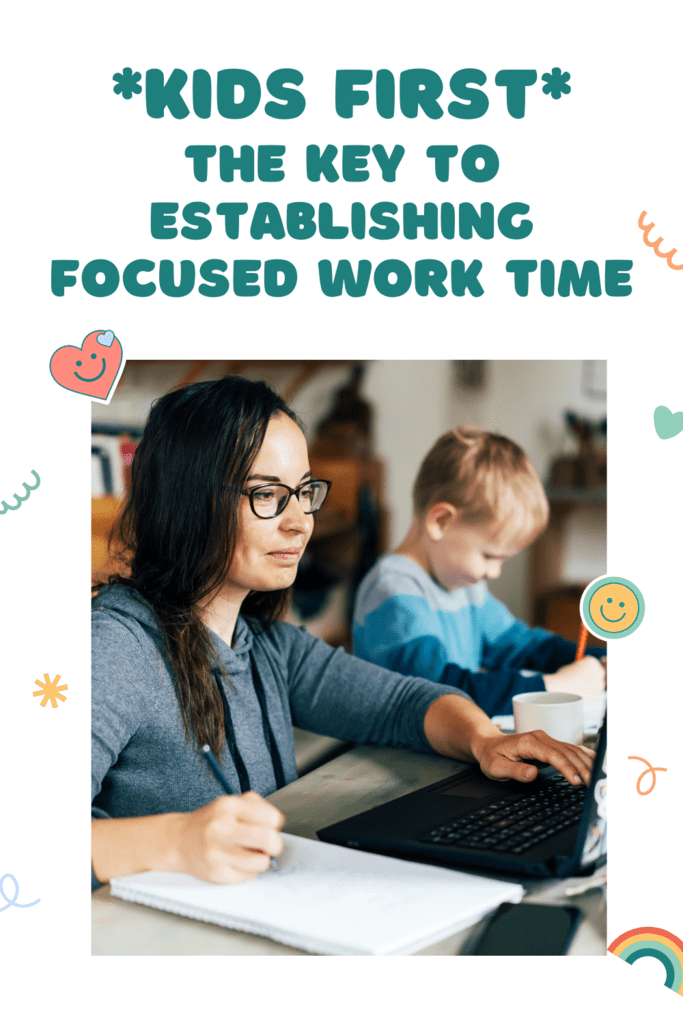
Kids First: The Key to Establishing Focused Work Time

Kids First: The Key to Establishing Focused Work Time

Video from the 2021 Parenting while Working from Home virtual event presented by Adore Them Parenting

It’s no secret that parents everywhere are struggling with parenting while working from home. Especially if your children are home with you for the majority of the day! Weather you have older kids who are remote learning, or younger ones who are constantly needing help with something, there can be a lot of interruptions! As a mom of 4 kids who has been working from home for nearly a decade, I wanted to share with you my favorite tip that usually catches most people off-guard. My #1 tip for being productive at home with little ones, is to put the kids first. Continue reading below to learn exactly what this means, and how to be more productive by putting the kids first: the key to establishing focused work time.


Created by Karissa Tunis
For more on this topic, check out the full Work Life Balance and Child Behavior collections


Kids First: The Key to Establishing Focused Work Time

While we dive more into this tip (along with others) in our book, I wanted to share this one in an article and video format as well because it is my favorite! I have found that the key to establishing focused work time is by taking care of my kid’s needs first.

Like I said, I am a mother of 4 kids. They range in age from 12 years, down to 7 months old. And having worked from home for nearly a decade now, I have had a lot of experience with trying to juggle kids, work, and house demands. I have also learned a lot from that experience. And I have found that just when I think everyone is occupied, and open up my laptop to dive into work, I quickly find someone standing next to me asking for my help.

I realized that I was often trying to get away with saying “Please just give Mommy 5 more minutes and then I will help you,” almost on repeat. And I also realized that I was not putting out my best work when someone was standing right next to me waiting. Or coming back every 15 seconds to see if I was done.

However, I discovered that when I address their needs first, they are much more likely to let me work for a longer chunk of time.


Set the Kids Up First

At one point in my life I had 3 busy toddlers at home at the same time. I found that when I set them up first, I could work for a longer period of time without as many interruptions.

To set them up, we would all go into the bathroom together. Everyone would use the potty (or get their diaper changed). Next we would head into the kitchen. Together we would fill up their sippy cups and snack bowls with their favorite treats.

We would then head into the family room, set out their bowls and drinks, and together we would create a playscape. I would look for toys that they hadn’t played with in awhile. And I always searched for something that was interactive. Then we would lay everything out, and the kids would dive in. I could then sit on the couch with my laptop and get to work.

They had their snacks and drinks. Everyone had used the potty. And now they had a fun activity to keep them entertained. Also, by being intentional with our “prep time” and making it fun, my kids had just enjoyed my direct attention. This meant that they were now more willing to let me focus on something else.


Creating a Playscape

One of my favorite things to do with my kids, even today, is to create a really fun playscape! I always try to make the experience fun and interactive. This way, if I’m not actually sticking around for the playing part, they still feel my involvement.

I have one girl and 3 boys. And while they all have different interests, they are also really good about playing with each other’s toys. We also love finding new ways to combine their interests. Below are a few of our favorites:


Fun Playscape Examples:

Place Lincoln logs on one side of the room. Plastic or rubber animals on the other side. And construction trucks in the middle. Now tell the kids that this is a construction site and they can get to work building a zoo!

Barbies and 12-inch super heroes have a lot of fun in our house! Especially when I lay out a few bins of toy furniture pieces and accessories. They will jump in, create houses, and all kinds of exciting spots to play.

Matchbox cars are always more fun with a few ramps (even if it is just pillows propped up against the couch)! A rug with a fun pattern to drive cars on, or a city printed play mat, can open up a new world. And a small plastic bowl with a tiny bit of water that sits on a towel in the middle of the room can be a game changer. Now the kids have a whole city with a car-wash right in the center! And the good thing about a little water splashed around is that it dries quickly 😉

Army guys are fun by themselves. But throw in some tech-deck skateboards and ramps, and it takes it to another level!

Another favorite is setting up stores. My kids will use kitchen chairs as their check-out counters. They each get to pick a couch or table to create their display. I’ll give them a few sheets of construction paper to decorate and cut out their own play money. Now this interactive set-up keeps them busy for hours!

Obviously all of this depends on your kid’s interests, age, and maturity level. But hopefully it provides you with some inspiration to think outside of the box and create your own entertainment!


50 free printable calendar daily planner for binder vertical portrait print


Work In Blocks of Time

You will quickly learn that in order to have focused work time, you will need to work in blocks of time. Thankfully with so many people working from home, the overall culture has shifted away from 9-5, and more into project based. As long as you are getting your work done, no one needs to know that you were doing it between nap time or after nightly baths. That the kids were coloring right beside you when you responded to that email. Or that you were watching everyone run around outside blowing bubbles, while you were working from your laptop at the picnic table.


The Reality of Focused Work Time

It has helped me to remember that even when I did work in an office, I never worked straight through from 9-5 either. There were always interruptions from co-workers. Between lunch appointments, meetings, phone calls, or water cooler breaks; I was never working straight through my to-do list.

Now my interruptions look a little different. But I love that! I can enjoy breakfast with the family, get the kids set up, and then jump into my work. I can take a mid-morning break when they are no longer entertained and run around with them outside for 15 minutes. Then I help redirect their attention to something else, or they get to watch a movie, while I jump back on the computer.

It’s fun being able to all have lunch together. And oftentimes we will eat outside on the porch or on a blanket in the yard. Then when the kids take naps, or have quiet time, this allows me to focus on work again.

In the evenings when my husband is done working, he can chase everyone around while I finish up any work projects. And if it is a really busy week, I might even need to work after the kids go to bed. But as long as I am meeting my client’s needs, they don’t care if it I’m emailing them at 10am, or 10pm.


Important to Remember

It’s important to remember that our kids are only this small once – so enjoy it! You will someday miss those tiny hands, their little feet, and their simple requests. So soak it in while you can! As your children get older, they will become more independent. They will stop asking for help in the bathroom, or asking for their favorite snack. They won’t need help logging into a zoom class, or help memorizing their spelling words. But then they will not be little anymore, and you will miss this. So when you take a break from work to help them, be intentional about it. Enjoy the work break with them.

And when they are older and more independent, remember to take those breaks to check in with them. When they aren’t interrupting you, you will be able to work straight through. Then you will need to be intentional to not miss out on your time with them.

Each parenting phase brings its own set of challenges and fun adventures. So remember to enjoy it all 🙂


For more tips on this topic, check out our book Parenting while Working from Home

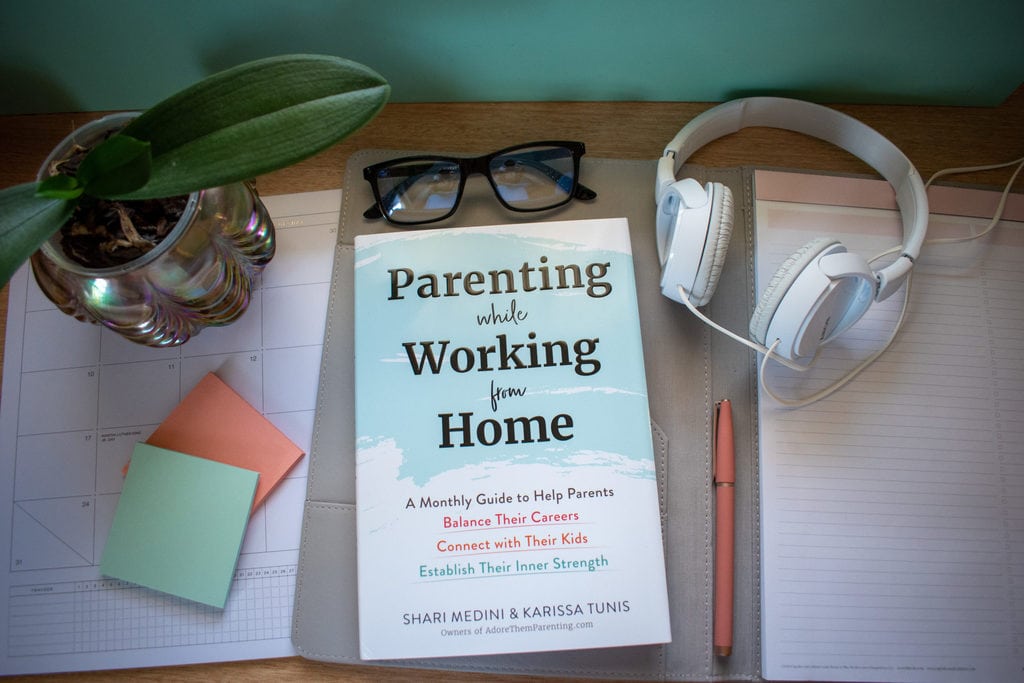
Parenting while Working from Home Book on a desk with office accessories


Co-Owner: Karissa Tunis

Karissa Tunis is the co-owner of the parenting website Adore Them. She loves being able to share inspiring, heartfelt insight with large audiences within local communities and across the country! Her knack for all-things-organization allows her to balance content creation, brand partnerships, and event planning without losing sight of what she wants for her own family. Despite her busy schedule, Karissa also makes it a priority to spend quality time with her husband and four children. You will often find her volunteering at her children’s schools, cheering them on from the soccer sidelines, or enjoying the great sites of Charleston, SC with her family.

Contact: Karissa@AdoreThem.com


Filed Under: Child Behavior, Work Life Balance

20+ Experts Share Tips for Parenting while Working from Home

tips for parenting while working from home graphic with picture of a woman at her laptop

As more parents work from home than ever before, there are unique challenges when it comes to meeting the demands of their job, helping their kids thrive, and finding even five minutes to take care of themselves.

We have been expected to figure out our children’s ever-changing education requirements, keep tabs on everyone’s mental and physical health, and keep the house in working order all while maintaining our careers.

It’s a lot!

However… While it isn’t always easy, working from home while raising a family can (and should) be an incredible experience.
 
Check out our book and 20 videos from parenting experts to start making helpful changes today!

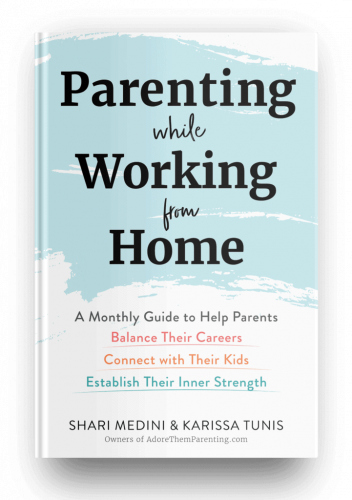
Book: Parenting while working from home

parenting while working from home hard cover mockup

Co-Author Karissa Tunis shares actionable tips, heartfelt insight, and planning strategies to help you enjoy your own parenting journey while working from home. Parenting While Working from Home encourages parents to make intentional changes that will result in happier families and thriving careers.

This monthly guide will teach you how to:

  • Manage your time so that both your kids and your job get the attention they need
  • Build a professional network and maintain your productivity from home
  • Create a kid-friendly environment that encourages independence and strong sibling bonds
  • Consistently tune in to your own needs so that you can meet your true potential
  • And so much more
BOOK DETAILS

20 videos from fellow parents

We are also sharing an exciting line-up of experts to discuss the challenges and adventures of Parenting while Working from Home. Get actionable advice and helpful tips that you and your household can begin implementing right away in order to find a better balance and more enjoyment in everyday life!

Tips and Tricks for Physical and Mental Health while Juggling it All

Speaker: Kirsten Wyatt

Kids First: The Key to Establishing Focused Work Time

Speaker: Karissa Tunis

Using the 3R’s (Reassurance, Routines, and Regulation) to Reduce Family Strain

Speaker: Dr. Hina Talib

Recognize Anxiety in Your Children and Support Their Emotional Health

Speaker: Dr. Kelly Fradin

Hotel Rooms and Other Creative Ways Parents are Finding Space to Work

Speaker: Julia Beck

Safe Place – A Helpful and Supportive Alternative to Time Outs

Speaker: Lauren Pace

Create a Home that is Beautiful, Cozy, AND Functional

Speaker: Amber Brandt

Energy Management and Navigating the World of “Work-Life Mush”

Speaker: Lori Mihalich-Levin, JD

How Your Children Can Pitch In and Learn New Skills

Speaker: Kathy McClure

Uncover Your Priorities and Create a Plan that will Work for YOU

Speaker: Scarlet Paolicchi

What to Do When Things Just Aren’t Working

Speaker: Andy Shaw

Use Play to Connect and to Get Work Done

Speaker: Sheena Hill

How to Set Up an Ergonomic Workstation

Speaker: Marianne Ryan, PT

How to Handle Working from Home with Special Needs Kids

Speaker: Calleen Petersen

Share the Load and Work in Shifts

Speaker: Dana Baker

How to Find Childcare Options that Will Work for You

Speaker: Yi-Hsian Godfrey

Self-Directed Learning for Kids of All Ages

Speaker: Karen Lock Kolp, M.Ed.

Self Management: Focus on the Things You Can Control

Speaker: Kimberly Coleman

Overcoming Overwhelm while Caring for Your Baby and Working from Home

Speaker: Amy Collins

Book: Parenting while working from home

parenting while working from home hard cover mockup

Co-Author Karissa Tunis shares actionable tips, heartfelt insight, and planning strategies to help you enjoy your own parenting journey while working from home. Parenting While Working from Home encourages parents to make intentional changes that will result in happier families and thriving careers.

This monthly guide will teach you how to:

  • Manage your time so that both your kids and your job get the attention they need
  • Build a professional network and maintain your productivity from home
  • Create a kid-friendly environment that encourages independence and strong sibling bonds
  • Consistently tune in to your own needs so that you can meet your true potential
  • And so much more
tips for parenting while working from home graphic with picture of a woman at her laptop

Filed Under: Work Life Balance

Communicate Professionally while Working from Home with Kids

Communicate Professionally while Working from Home with Kids

We consistently hear about the importance of communication in our personal relationships, but how often are we considering the impact of our communication methods on our careers? Communicating within the workplace brings its own set of challenges since you are trying to balance coming across as professional, but also human. You want to be open and honest, without oversharing. And you want to be effective, without seeming manipulative. Even if you had settled into a good rhythm of interoffice communication within the workplace, working from home puts a different spin on things! Here are a few ways to communicate professionally while working from home with kids.


For more on this topic, check out the full Work Life Balance collection


Take Charge of the Situation

If you act like you are in control, then people will feel more comfortable. While working from home, there will be plenty of days where you feel pulled in different directions. Everyone and everything seems to need your attention, and you feel like you are completely at the mercy of everyone else. Even if you can’t fully regain control in that moment, you can communicate professionally as if you have everything handled.

When you are working from home, you quickly realize how few of the doors in your house actually lock, and how much your kids love being by your side. I have taken numerous important phone calls on the floor of my son’s bedroom because it is one of the only doors in our house that locks. I have also taken phone calls with my kids sitting in my lap under the promise that they will sit quietly until I’m off the phone. But even when you try to prepare, there are likely to be interruptions. And when that inevitably happens, you can stay calm and collected.


Kids as Little Coworkers

Nothing is more unsettling to the person on the other end of the phone than you scolding your kids and showing your (understandable) frustration. If you need to address your kids, simply do the following: Say, “I’m sorry, can I please put you on hold for one moment?” Mute the phone. Speak with your kids quickly. Jump back on the phone and say, “Sorry about that. I’m back!”

Think of your little ones as persistent coworkers. When you’re in an office environment, there are always interruptions. People are popping their head into your office with pressing questions or just to say “hello” throughout the day. It is normal to have to put people on hold, but it is unsettling to hear you put on your mom-voice or dad-voice and tell your child that they have to put their pants back on.


50 free printable calendar daily planner for binder vertical portrait print


Respond Quickly

It is very frustrating when a project is being held up because you are waiting for one small piece of the puzzle. Or when you aren’t sure if your email was actually seen, or if it ended up in the spam folder. As humans, when we don’t get a response, we start to invent our own version. Our minds begin to get carried away. They must be busy. Or are they upset about something and not getting back to me? Maybe they’re not busy or upset, they’re just unprofessional. They don’t even care about this project. Maybe they aren’t the right person to be working with on this.

If you know that you think those thoughts, then flip that situation. You do not want to be the person that others are wondering about. Don’t leave communication up to the imagination!


Keep Quick Communication Simple

Responding quickly makes you look courteous, professional, and trustworthy. And the quick response doesn’t have to be the full response. You can simply reply to an email with something along the lines of, “Thank you for sending this over! I will take a look at it and get back to you.” People simply want to know that you received their message and are taking it seriously. Sending them back two sentences is a quick way to establish trust and goodwill and communicate professionally.

Since most of us carry smartphones around in our pockets, there is really no excuse for not responding promptly. It also allows us to keep our to do lists a bit shorter because if a message comes in that you can quickly give an answer to, why wait until later? Get it off of your plate!

The exception to this rule is when you are purposefully taking time away from work. However, it is a great idea to give the people counting on you a heads-up before going off the grid (even for a few hours). You can set up auto-replies that let people know that you are not checking email currently, but will get back to them by a certain time or day. Simply keeping people in the loop is appreciated by all parties involved.

[ Read: How to Be More Productive while Working from Home ]


Don’t Overshare

When I say to keep people in the loop, I mean to keep them updated professionally. You certainly don’t have to share your entire reasoning for being away from your email. Early on in my freelance career, I did not understand the importance of this concept. Since I was a young mom working from home, I was worried that people expected me to be able to complete tasks instantly. In an attempt to show them that I was actually busy, I would make excuses that involved details of the mom side of my life.

Which one sounds more professional? “Sorry, I will have to get to this later. The baby is really fussy, and I’m trying to get him down for a nap.” Or… “Thanks for sending this! I will work on it and get it back to you this evening.”

Employers, bosses, and coworkers don’t need to know exactly why you can’t do something at that particular moment. You are allowed to have your own life, but the people you work with are entitled to know when they can expect to receive your work. As soon as I started to shift my language to communicate professionally, I began to feel more confident, and the people I was working for also felt more confident in my abilities. There were plenty of times where I responded to an email from my phone while breastfeeding a baby, but for all they knew, I was sitting in my home office typing it out on my computer. (note: everyone has stuff going on)


Don’t Overpromise

Similarly, try not to overpromise. If there is already a deadline in place, then you should absolutely be striving to hit that deadline. But if there isn’t already a deadline set, then don’t create an arbitrary one for yourself. It might be tempting to say, “I’ll get this to you by tomorrow.” But why not just keep the language vague and give yourself a buffer by saying, “I’ll work through this and let you know once it’s ready.” We are parents after all… you never know what the day might bring!

[ Read: How to Win at Networking ]


Shadow Their Language

Another simple way to establish great working relationships and communicate professionally is to shadow the other person’s language and communication style. This is an old sales tactic where sales people for generations have been taught to mirror body language and repeat phrasing back to the person speaking. However, in the more digital age that we are working in, the same principles can still apply.

It is very easy to mirror the language that others are using in their communication when it comes to you via email, message, or text. Does the person use “Dear,” “Hi,” or “Hey” as their opener? Do they sign off with “Best,” “Sincerely,” or “Thanks?” Do they use certain terminology to explain things? Are they casual and using smiley faces, or is there a very formal feel to it?

Once you get into the habit of noticing those details, you can simply shadow that communication style back to them. You are still sharing your own thoughts, opinions, and work in a way that is true to yourself; but you will likely benefit from packaging that message in the way that it will be best received. 

[ Read: Time Management for Families ]


Communicate Professionally

There is so much time wasted in working environments because we are not being clear and efficient with our communication. While we can’t control the behavior of everyone around us, we can at least make sure that we are communicating with purpose (and then hopefully others start to model the same thing). Whether you are sending an email or jumping on a phone call, keep in mind that the person on the other end is also swamped with various tasks. Try to keep things as short and simple as possible. Make an effort to organize your thoughts beforehand so that you can ask questions in an order that makes sense and take things one step at a time.

Working from home does not mean that all professionalism goes out the window. There are ways to adjust to this type of environment where interruptions and background noise come with the territory. And with professional communication, you are able to advance in your career from your couch.


For more tips on this topic, check out our book Parenting while Working from Home

Parenting while Working from Home Book on a desk with office accessories


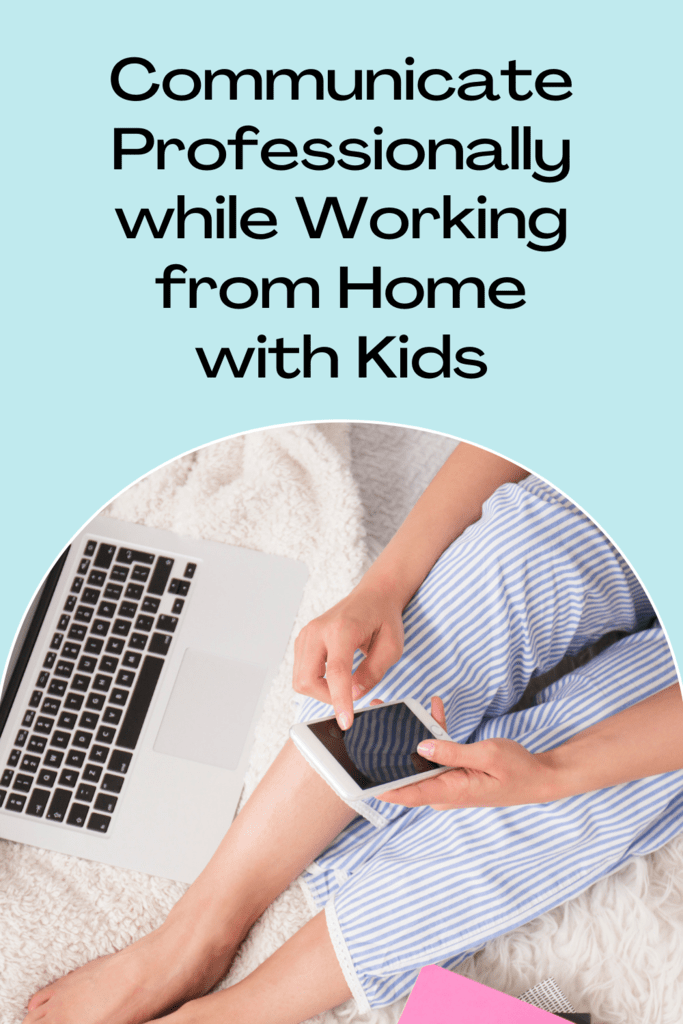
Communicate Professionally while Working from Home with Kids graphic with image of woman in pajamas with her phone and laptop

Filed Under: Work Life Balance

Moissanites – The New Diamonds

Surprisingly, you wake up one morning to realize that there’s a new kid on the block – Moissanite. Wait? What? What about diamonds? You ask. In truth, there is always a contender out there waiting to be unveiled, and this time, diamonds just met their match. Gone are those days when the rule of thumb in every engagement and wedding was to use a diamond engagement ring or wedding ring. This ideology has always been the norm, an unbroken tradition. But as Bob Dylan’s song goes, the times they are a-changin’. Moissanite diamond rings are here to stay. There is so much to learn about these precious gemstones. Hence, without further ado, let us kindly proceed and tell you why moissanites are the new diamonds.

For more on this topic, check out the full Navigating Marriage collection


What’s All the Noise About Moissanites?

Presently, many couples propose and get married using moissanite rings. What makes the gemstone unique? In terms of toughness, aesthetics, carat weight, colour, and shape, moissanite is on par with diamonds. Even beating it hands down in some of the areas listed. And yes, it is not a fake diamond or a diamond knock-off as some individuals claim. The precious mineral is a unique gemstone in its rights.

Moissanites come with double-refraction properties that make it sparkle 2.4 times more than diamonds, giving it a rainbow effect. On the other hand, its counterpart possesses single-refraction properties that produce white light. There’s more. On the Mohs hardness scale rating, moissanite gemstones score 9.5. It does not pale in comparison to diamonds that score a 10-point rating. I presume that you are gradually seeing the rationale behind the high demand for this gemstone.

[Read: How to Dress Like a Mom (Not a Regular Mom, a Cool Mom)]


What About Its Cost?

Pricing is another factor that gives moissanite an edge over diamonds. Why purchase a relatively small diamond, when you could get a larger moissanite jewel for a fair price? And before you bring up the element of “value”, remember the properties discussed in the previous section. So, here is the question. What value does a diamond have that is absent in a moissanite gem? Traditionally mined diamonds are expensive. But the same thing applies to moissanite. In truth, the gemstone is so rare that the only way to produce it for market consumption is via lab technology. However, this process doesn’t make the moissanite jewel less valuable than its counterpart.

Also, you have no reason to worry about a moissanite gemstone ethical background, unlike the diamond. Besides, it comes in different tints, carat weights, sizes, and cuts. There is always a moissanite jewel for any reasonable budget. You could even own one if you have $400 in cash.

[Read: Saving Money]


Selecting Your First Moissanite Gemstone

Before you head to the jewel store, take some things into account. First, moissanite gemstones have different colour codes. This rating influences its quality and price, which is the same with diamonds. Starting with the Forever Brilliant®, this classification sits at the pinnacle of the moissanite colour code rating. It bears semblance to the classic diamond.

Other colour codes include D to F, which represents colourless moissanite; G to I, which represents semi-colour moissanite, and J to K. The last option is the lowest on the colour classification spectrum. Moissanite jewels in this category have yellow tints. Once you’ve found the ideal gemstone, purchase it and start enjoying it.

For more on this topic, check out the full Navigating Marriage collection


Filed Under: Navigating Marriage

  • « Go to Previous Page
  • Page 1
  • Interim pages omitted …
  • Page 75
  • Page 76
  • Page 77
  • Page 78
  • Page 79
  • Interim pages omitted …
  • Page 134
  • Go to Next Page »

Copyright© 2026 · Brunch Pro Theme by Shay Bocks

We use cookies on our website to give you the most relevant experience by remembering your preferences and repeat visits. By clicking “Accept”, you consent to the use of ALL the cookies.
Cookie settingsCLOSE and ACCEPT
Manage consent

Privacy Overview

This website uses cookies to improve your experience while you navigate through the website. Out of these, the cookies that are categorized as necessary are stored on your browser as they are essential for the working of basic functionalities of the website. We also use third-party cookies that help us analyze and understand how you use this website. These cookies will be stored in your browser only with your consent. You also have the option to opt-out of these cookies. But opting out of some of these cookies may affect your browsing experience.
Necessary
Always Enabled
Necessary cookies are absolutely essential for the website to function properly. This category only includes cookies that ensures basic functionalities and security features of the website. These cookies do not store any personal information.
Non-necessary
Any cookies that may not be particularly necessary for the website to function and is used specifically to collect user personal data via analytics, ads, other embedded contents are termed as non-necessary cookies. It is mandatory to procure user consent prior to running these cookies on your website.
SAVE & ACCEPT