 They say that moving house is one of the most stressful experiences a family can face, for good reason. One of the main reasons is that while younger children may adapt relatively quickly, teenagers often find relocation much more challenging. Many have established friendships, school commitments, sporting activities, part-time jobs, and routines that form a big part of their daily lives, which naturally, they’ll be reluctant to give up.
Regardless of whether you’re moving across town or relocating interstate, it is important to take your teenager’s concerns seriously. Doing so can make a significant difference to how smoothly the transition unfolds.
Arguably, the best way to do this is to plan ahead and involve them in the process. So, with that in mind, let’s take a look at what some of your top considerations should be when you’re moving house with your teen.
For more on this topic, check out the full Moving Tips collection
Why Can Moving House Be More Difficult for Teenagers?
Teenagers are at a stage in their lives when friendships and social connections are incredibly important to them. Therefore, leaving behind close friends, their favourite hangouts, sports teams, and familiar surroundings can feel like losing part of their identity.
For many teens, moving house means starting at a new school. Adjusting to a different community and rebuilding their social network from scratch.
As parents, it’s important to acknowledge these feelings rather than dismiss them. Some teenagers may openly express frustration or sadness. Others may keep their concerns to themselves. Having regular conversations with them can help to air out their worries before they become bigger issues closer to moving day.

What Should You Talk About Before the Move?
You might be wondering how to initiate a conversation about the move when you know it might not elicit a positive response. Well, a good starting point is to explain why the family is relocating.
Often, teenagers are more accepting of change when they understand the reasoning. So, if you are moving for work, lifestyle reasons, financial considerations, or to be closer to relatives, just let them know.
It is also worth discussing practical matters, such as new schools, transport options, extracurricular activities, and what daily life might look like after the move. At the same time, encourage them to ask questions and answer them honestly. If you don’t have all the answers yet, that’s perfectly fine. Just let them know that. What matters most is creating an environment where your teenager feels comfortable sharing their concerns.
How Can Decluttering Get Your Teen Onboard?
One of the most practical steps when preparing for a house move is decluttering, especially if you have been at your current property for a good few years. All your accumulated belongings can make packing more difficult and increase the cost of moving.
One way to get your teenager invested in the move is to encourage them to sort out their belongings. Empower them to decide what they genuinely use, what can be donated, and what is simply taking up space. This process can also create a sense of ownership over the relocation, which would be preferable to having their decisions dictated to them.
If you intend to have a large clean-out, you’ll probably need a skip, which your teenager can help to fill. Alternatively, you might want to choose a professional moving house rubbish removal service to help you dispose of unwanted furniture, broken household items, old toys, and general clutter before moving day arrives.
The more you can reduce the amount you need to transport, the easier the entire move is likely to be.

What Can Parents Do to Reduce Moving Stress?
Moving stress affects the entire family. But particularly so for teenagers who usually need to manage their studies as well.
A good way to manage stress is to create a realistic timeline to prevent the last-minute chaos that many families experience. Ideally, this should involve breaking tasks into smaller steps to make the process feel more manageable.
As much as possible, try to keep certain routines intact, such as family dinners, regular exercise, weekend activities, and school commitments. They can create a sense of stability during an otherwise disruptive period.
It’s also important to recognize when stress levels are rising. If your teenager seems withdrawn, unusually emotional, or overwhelmed, then make sure you take the time to check in with them and offer support. Sometimes simply listening can be more valuable than trying to solve every problem.
How Can You Help Your Teen Settle Into a New Community?
The first few weeks after relocating can feel overwhelming for a teenager, with so much to take in. New schools, unfamiliar faces, and different routines can all contribute to them experiencing a sense of anxiety.
One of the best ways to help your teenager adjust after completing the move is to motivate them to participate in activities they already enjoy. Joining sports clubs, music groups, and volunteer organisations, and engaging in hobby-based activities can all provide great opportunities to meet people with similar interests. Once they do this, they might find it easier to settle in.
It is also worth exploring your local area together. Therefore, make time to visit cafes, parks, shopping centres, walking tracks, and community facilities. Becoming familiar with the neighborhood can help transform an unfamiliar location into a place that feels like home. This can be crucial because the sooner your teenager develops a sense of belonging, the easier the adjustment period often becomes.

How Can You Help Your Teen Stay Connected to Friends?
One of the biggest worries for many teenagers is losing touch with their friends. Fortunately, it is much easier to stay connected with your peers than it was for previous generations.
Thanks to technology, such as video calls, group chats, social media, and online gaming, it is easier for friendships to continue despite the distance. Where possible, you might also want to plan visits back to their old area during school holidays or long weekends. If they have this to look forward to, the transition might feel less bothersome for your teenager.
At the same time, encourage your teen to remain open to new friendships. Maintaining old connections is important. But building new ones will ultimately help them settle into their new surroundings.
For more on this topic, check out the full Moving Tips collection





 How to DIY Professional Photos of Your Home









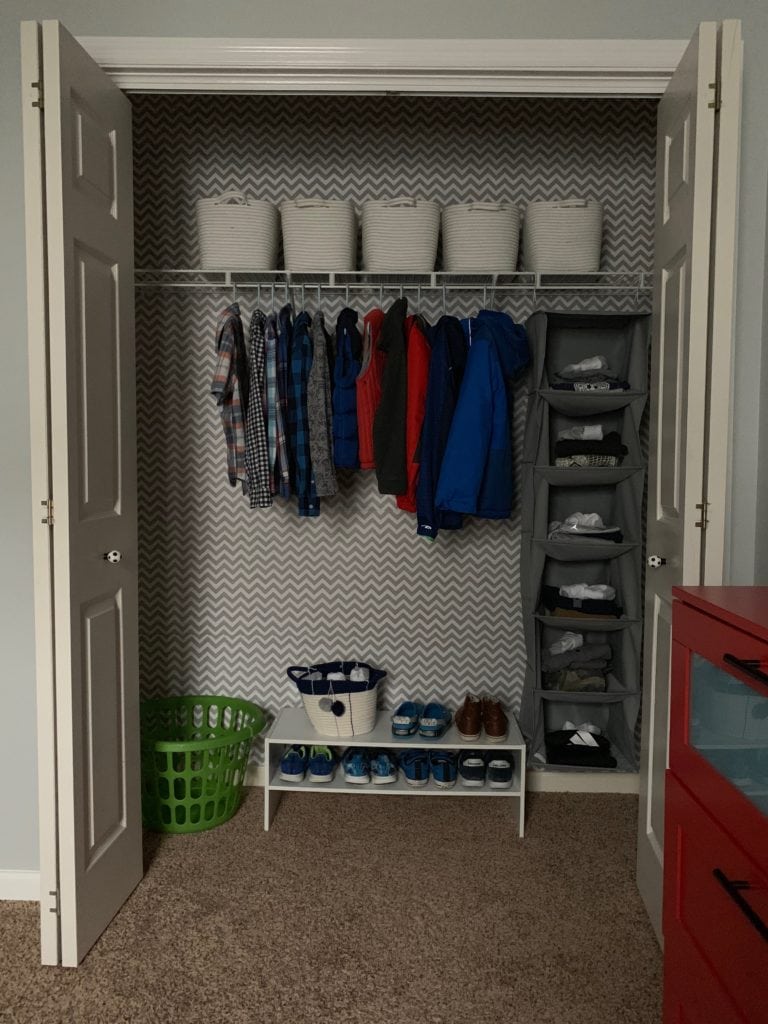
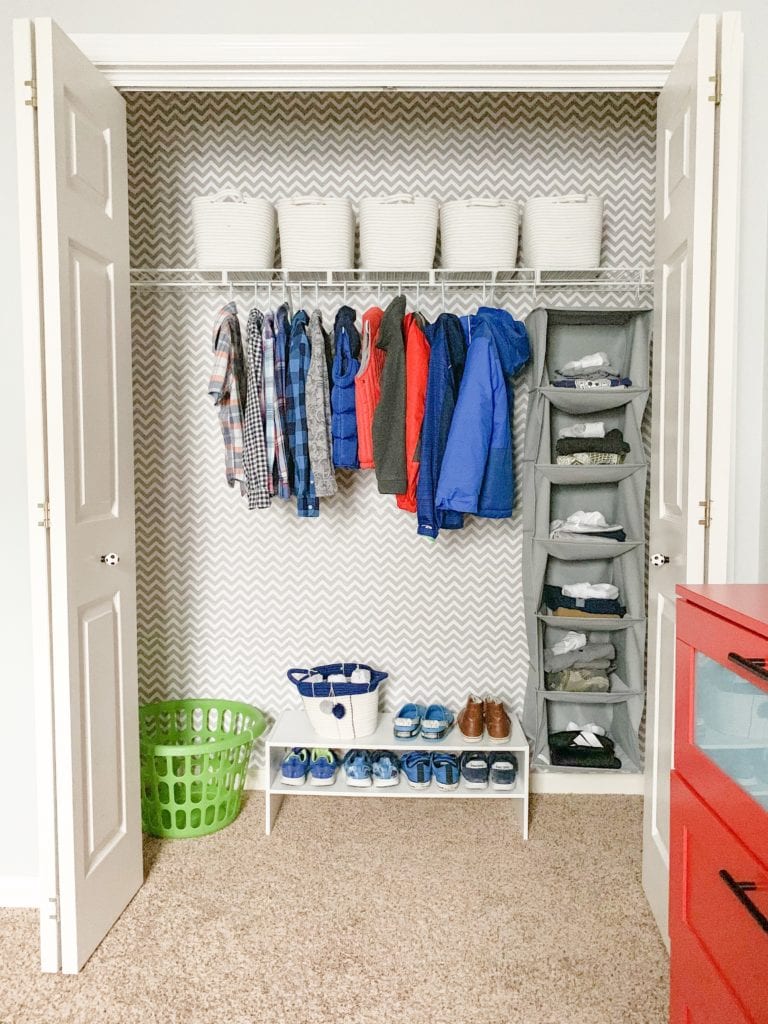
 Featured Contributor: Pamela Rineer
 If you have a bit of money saved up and you are wondering what to do with it, you should consider buying a vacation home for your family. Not only is it a great way to spend your savings, but it also provides you with a special place to call your own. Where you can make some great family memories. And if you ever decide that you want to take a spontaneous trip, you will have that property there waiting for you. It’s also a great investment for your future because the value of the property will increase over the years. You can also use it to earn extra income by renting the property out when you and your family are not using it. The house can also be passed down to your children when they are older, so it’s an investment for their future as well.

 Moving to a new house is a stressful process for anyone, especially when kids are involved. Your children may feel excited at the thought of this change. But it can also be scary as they leave friends and family behind.

 Moving to another country can be stressful for families. Children often struggle with the change, feeling overwhelmed by new surroundings, routines, and faces. However, with careful planning, you can



 As families grow, housing needs evolve, often prompting the critical question: Should you rent or buy a home? Both options come with advantages and challenges, and the right choice depends on your financial situation, lifestyle, and long-term goals. Here’s a guide to help you navigate this decision and determine what’s best for your family.


 Moving abroad with your family is an exciting adventure, but it can also be a daunting task. Picking the right location for your family is one of the most crucial decisions you’ll make during the process. There are many factors to consider when choosing a location, from your family’s needs to the cost of living and cultural differences. In this guide, we’ll delve deeper into how to pick the right location when moving abroad with your family.


 Moving long-distance with a family can be an overwhelming experience, but did you know that millions of Americans move each year? Among these movers, families with children often face unique challenges that can add layers of stress to an already complex process. Balancing packing, managing kids’ schedules, and keeping track of countless details can feel like a juggling act. However, with the right strategies in place, parents can turn this daunting task into a more organized and manageable endeavor.


 Are you downsizing and moving to a smaller space? Well, that can be a wise decision, offering numerous benefits such as lower expenses, reduced maintenance, and a simpler lifestyle. However, transitioning from a larger home to a smaller one comes with its own set of challenges. These include managing excess belongings, adjusting to a more compact living environment, and organizing your new space efficiently.