 Being the parent of a teenager isn’t easy. They can face a lot of problems, and you’ll need to be prepared to tackle this head-on. Here are some of the common struggles your teen may face.
For more on this topic, check out the full All About Teen collection
Self Harm
First, it’s important to understand how common self harm can be in the teenage population. It is estimated that more than 70% of teens could self harm at least once before the age of 18. Critically, the majority of these children will not get any type of psychological support. Part of the reason for this is that the signs of self harm are often missed. People tend to believe that children will self-harm in areas that are easy to see. But this isn’t the case. It’s not always a cry for attention. It can be a way of dealing with deep trauma. If you are worried that your child is self-harming, you need to make sure that they do talk to a therapist about what is impacting them.
[Read: Child Behavior]
Addiction
Addiction can impact teens without parents realizing it. It is possible for teens to start using drugs without you noticing. They can do it in private. And they can ultimately keep it from you for years. There are however signs of addiction to watch out for. This includes sudden changes in mood, as well as more erratic behavior. A teen who is addicted may also start doing anything necessary to ensure that they get their fix. Recovery can be a long process. And your teen will often need a customized detox plan to get the best results.
Bullying
You might find that your teen is experiencing issues with bullying. The majority of young teenagers report that they have been bullied during their time at school. While it’s not always serious. And it can give a child thicker skin. However, you do need to watch for the signs that the situation is getting more serious. You should be talking to your child regularly and guaranteeing that they are coping with an issue like this. It can start to impact their mental health. Bullying has also been shown in the latest research to have long term implications.
[Read: Friendships]
Eating Disorder
Finally, you might find that your child is suffering from some form of eating disorder. While this does affect girls, it can also affect boys as well. It depends on the person and what they are going through. Eating disorders are often born either out of the desire to take control of an aspect of their life or it can be due to the pressure that they feel to look like everyone else. You need to nurture your child’s confidence and ensure that they don’t feel alone. Again, if you are concerned, it’s definitely worth getting them to speak to a therapist about this problem.
[Read: Eating Disorder Screening Quiz]
We hope this helps you understand some of the common issues that your child might face and the steps that you can take. If you explore the right options, then you’ll be able to make sure that you do get your child or teen the support they need before things get any worse.
For more on this topic, check out the full All About Teen collection

 When you have children, your world begins to revolve around them. You will do anything you can to support them and provide them with everything they could want or need. This is just part of being a parent. However, nobody actually ever tells you how to give your child the best upbringing possible. Of course, this will cover various areas. You will need to provide for your child not only physically and financially, but emotionally too. Here are just a few suggestions that should help you to reach this goal and provide your child with the best!
 As a parent, you want to make sure that your child has everything they need to have a bright future. While you may consider their education, and even extra-curricular activities, you may also want to think about their health. With obesity on the rise, and a number of other conditions known that could cause long-term problems in their future, it is better to start any health improvements as early as possible to reap the most benefit. Continue reading below to learn how I can improve my child’s health.
 We often think about self-care as a practice that busy adults and independent people undertake when they have the resources to care for themselves. However, some skills are best taught when young. This way, these valuable lessons can grow with them into the future.





 Back pain is common in adults. But it is now also being diagnosed more often in children and teenagers. Back pain can be more common in children due to higher average body weights, higher rates of obesity, higher intensity and year-round sports, and the increasing weight of backpacks that students take to school. Most parents don’t expect their healthy kids to complain about back pain. But since it can occur, we wanted to share with you some advice and insight into this topic. Continue reading below to find out when to worry about my child’s back pain.

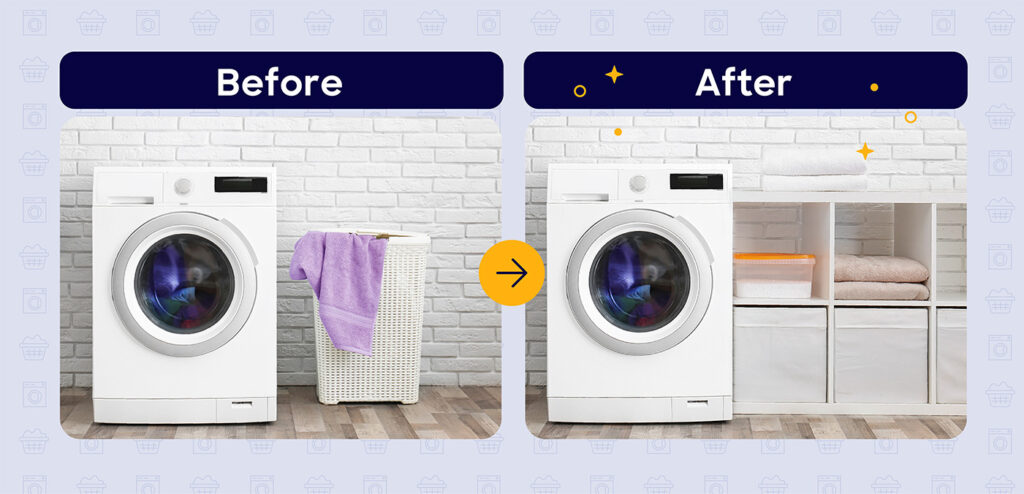
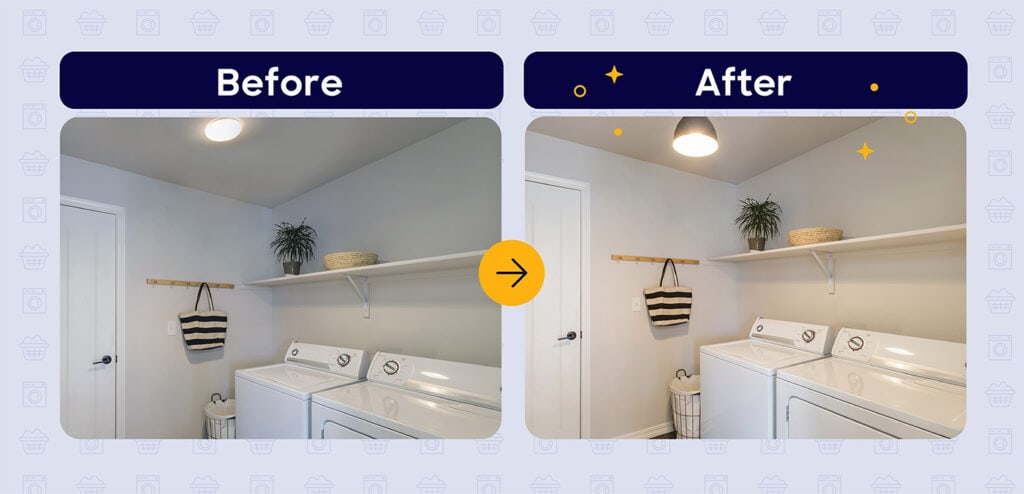
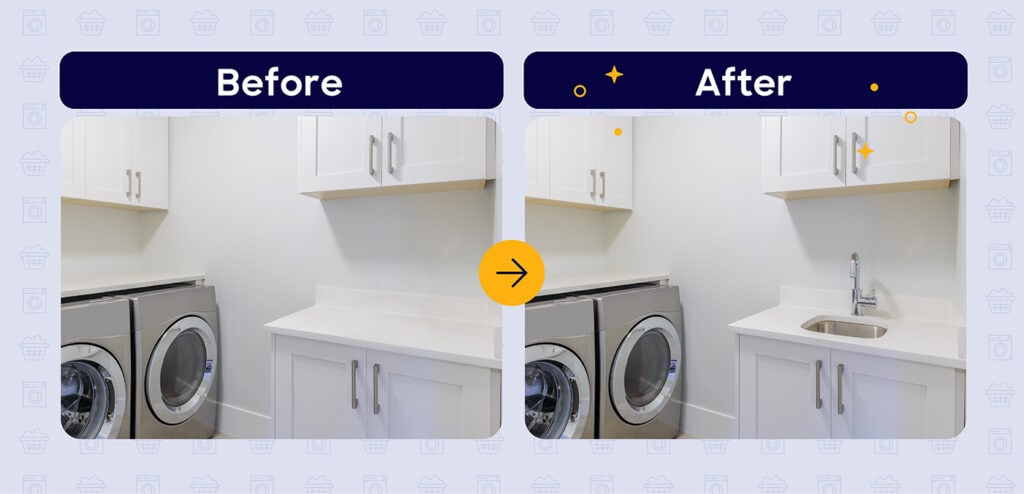



 Moving can be a big task. But by taking mindful steps to thoughtfully plan it out, you will help ensure a more positive experience. Continue reading below to learn how to prepare for a move.