• Skip to main content

Adore Them Parenting

Practical Positive Parenting Advice and Resources

Practical Positive Parenting

Go here for our book!

  • About Us
  • Our Book
  • Parenting Advice
    • Raising Children
    • Family Life
    • Seasonal
    • View All Topics
  • Free Printables
  • In the Media
  • Shop

Karissa Tunis

What Grows Up, Must Lie Down – Sleep Needs by Age

The subject of sleep can often feel undefined or opinionated, and sleep certainly varies by individual. These regular rest patterns change as we develop and age throughout our lifetime. For children, sleep is an undoubtedly important aspect for both mental and physical developments. The earliest years in our lifetimes are the most turbulent in terms of sleep changes, durations, and needs. Scroll down to learn more about sleep needs by age.


This article is written by Ashley Graham
For more on this topic, check out the full Sleep collection


Sleep Needs by Age

As a child grows from a newborn into their teenage years, sleep needs will adjust and the overall amount of hours dedicated to rest will naturally decrease then plateau. For parents, understanding the sleep cycles and patterns including the suggested hours of slumber for our little ones will help us optimize bedtime and our entire lifetime of ZZZs!

The better sleep enthusiasts at Casper Mattresses understand that what grows up, must lie down. Bedtime essentials are just as important as the hours of rest required – for both Mom, Dad, & baby alike. Check out the guide below to help you make the most of your little one’s dreamy hours
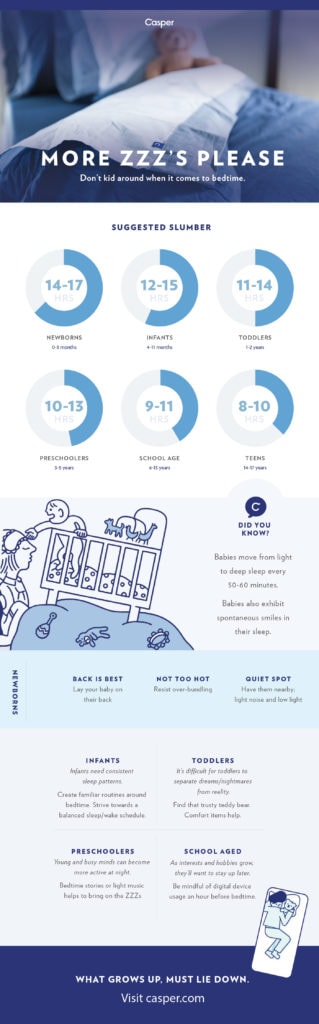
sleep needs by age


For more on this topic, check out the full Sleep collection


Featured Contributor: Ashley Graham

Ashley Graham is a content curator from New York. She is enthusiastic about healthy living and design. She enjoys exploring new ways to optimize the comfort of her home for her family. Ashley also enjoys an active lifestyle as much as she loves long evenings recuperating on her Casper mattress.

  • Website: casper.com/mattresses


Filed Under: Sleep

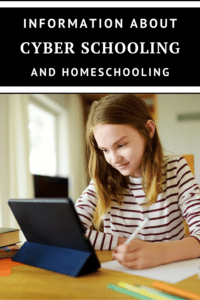
Information About Cyber Schooling and Homeschooling

Information about Cyber Schooling and Homeschooling

I think there are a lot of great options when it comes to homeschooling – whether you consider the traditional route and curriculum, or whether you take the cyber/online school approach! Continue reading below for more information about Cyber Schooling and Homeschooling.


Education Options

This collection is created to shed light and answer questions surrounding different types of schooling and education. We are not trying to compare, but rather give you insight into the differences. Each family will need to make their own decision regarding what works best for their child and family. There are no “right” answers. It is an individual decision that needs to be made based on your student’s individual needs, learning style, abilities, and resources. Read below for more information about cyber schooling and homeschooling.

Our goal of this Education Options collection is to allow you to dive a little deeper into the possibilities and opportunities around you!

Public | Private | Homeschool/Cyber | Montessori | Waldorf | Classical | Unschooling


Q:  What is your education philosophy?

The reasons for homeschooling vary a lot from family to family! But a common theme for homeschooling families is flexibility and personalization. Homeschooling is customizable for each individual child, which can be beneficial to a wide variety of students. The same concepts apply to online school options where a curriculum is more formally in-place. But students can still customize their own experiences.

There are also many different ways that you can approach homeschooling such as:

  • Traditional
  • Classical
  • Charlotte Mason
  • Unit Studies
  • Unschooling
  • Relaxed Homeschooling
  • Online or Cyber Schools
  • Eclectic


The philosophy of homeschooling may be different for each family going down this path. However, the goal is the same… customized learning for each individual student.


Q:  What are some similarities & differences in comparison to traditional schooling?

One major difference between homeschooling/cyber schooling and traditional schooling is the freedom for flexibility. A student can be learning at an accelerated level in some subjects, while working on improving in other areas at a slower pace. There is freedom to take on interesting extracurricular activities, pursue new interests, and take a very hands-on approach to learning.


Q:  How does a Homeschooling, or a Cyber school, education benefit the students?

Again… this goes back to each individual student. Some students choose to do homeschooling or online schooling after struggling in the public school system. Maybe they had dyslexia or ADHD that wasn’t being supported. Perhaps they were highly gifted in one area, while struggling in another area; and it was difficult to fight for their needs. Maybe they simply wanted the freedom and flexibility to approach education in a different way.


Q:  What does a day in the life of one of your students look like?

Homeschooling days can often look the same. Someone, usually an adult, needs to be very organized to give structure and stay on top of guidelines. But the responsibility can fall on the kids for how to best get all of their work done. And when assignments are done, you are done with school. This allows for kids to choose whether they want to do Math or History first. maybe they want to do their work outside in the backyard one day, and inside on the couch the next. Or they can even do it while in the car on the way to a field trip, or a simple trip to the grocery store.


Q:  How can families find more information about Homeschooling & Cyber School?

There are SO many resources online that can help you learn more about homeschooling. Figure out what will be the best fit for your family.

Below are some resources that will give you a great start:

Organizations, Legislation, and Guides

  • HSLDA – Advocates for homeschooling since 1983
  • National, State, and Local Homeschool Organizations
  • Homeschool Legislation According to Each State
  • Resources for Homeschool and Distance Learning for Students With Special Needs Guide

Forums

  • Homeschool.com Forum
  • Homeschool World Forum
  • The Homeschool Lounge
  • Well-Trained Mind Community
  • COAH Community

Support Groups

  • Find a Local Homeschool Group in Your Area
  • Rock Your Homeschool Facebook Group
  • Virtual Homeschool Facebook Group
  • Homeschool Necessities Facebook Group
  • Homeschool Connections Facebook Group
  • Hip Homeschool Moms Facebook Group


Our goal of this Education Options collection is to allow you to dive a little deeper into the possibilities and opportunities around you!

Public | Private | Homeschool/Cyber | Montessori | Waldorf | Classical | Unschooling


Filed Under: Education Options

How to Prepare Your Home to Sell It

June 2, 2020

Prepare Your Home to Sell It

Buying a home is the most expensive purchase that most people will ever make. So it makes sense that people take their time with the decision. Buyers won’t put an offer in for a house unless they are absolutely sure that it’s perfect for them. And this is something that often frustrates sellers. However, you can speed the process along a bit if you present your home in the right way before somebody comes to view it. These are some of the best ways to prepare your home to sell it. 


For more on this topic, check out the full Moving Tips collection


torso picture of lady holding cleaning products

Clean Your Home Inside and Out

Most people recognize the importance of cleaning their home thoroughly before people come around because you want it to be a pleasant environment. If you follow this clever strategy, you can make sure that you keep your home in tip top shape so you’re always prepared for viewings. 

It’s equally important, if not more important that you keep the outside of the house clean as well. First impressions are key and if people pull up outside to see a dirty, run down property… your chances of making a sale are very slim. Before you start showing people around, consider pressure washing the driveway and paved areas. And you will also want to clean all of the windows. Just before the showing, give the outside areas a quick sweep so there is no debris. Having a clear walkway and clean deck leaves a better impression than having dead leaves lying around. 

[ Take the 30 day challenge to declutter your home! ]


dripping faucet

Keep Up with Maintenance

People don’t like the idea of buying a house and then doing lots of maintenance as soon as they move in, which is why you need to keep up with DIY. Go around the house and check for small issues. Look for broken light switches or dripping taps. And deal with them before any showings. If there are any more serious issues, it’s important that you either fix them or you notify potential buyers and adjust the asking price to account for the maintenance that the new owners will have to do. 


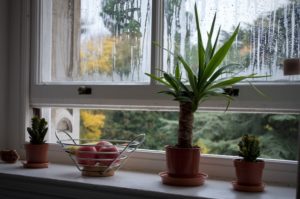
window sill with plants

Open Up Doors and Windows

A house that smells bad is always going to put people off, but the thing is, you may not notice. You get used to smells when you are in the house all of the time, but your potential buyers will not be used to it. You need to look for any sources of bad smells and open up all of the windows to air the house out. Opening up all of the doors also helps to improve the flow of natural light throughout the home and make it look a lot more spacious. 

[ Learn how to take professional looking pictures of your home ]


woman giving a dog a bath

Clean Your Pets 

If you have a dog, the smell can really put people off. In some cases, you may decide to send them to stay with a friend or family member for a few days. If not, you need to bathe them properly and groom them so you can get rid of the smell. The added bonus is that it will also limit the hair that they shed in the house. 


Taking the steps to prepare your home to sell it can be time consuming, but it is worthwhile! By making sure that your home looks, smells, and seems clean to potential visitors makes a world of difference. You could even get a higher purchase price when selling your home just by paying attention to the little details that make buyers feel welcome and at home!

For more on this topic, check out the full Get Organized collection

Prepare Your Home to Sell It

Filed Under: Home Buying, Moving Tips

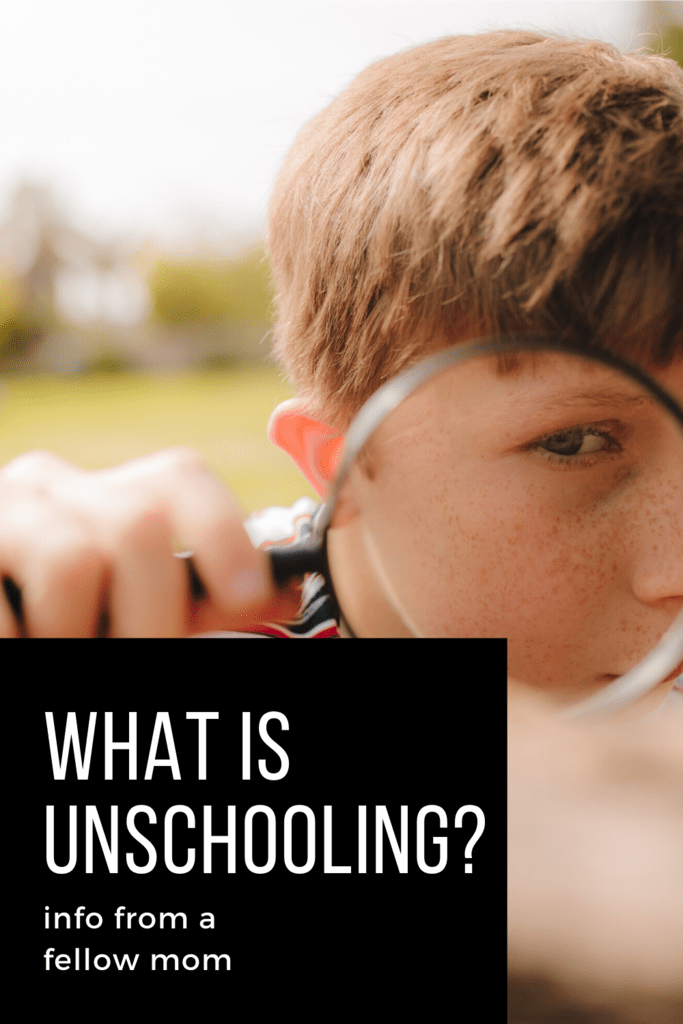
What is Unschooling?

What is Unschooling?

Recently I did a Q & A with mom and Unschooling expert Andi Lambert. Andi is homeschooling her two boys, and yet she does not use the typical homeschool curriculum. Andi instead chooses to Unschool her children. Unschooling is a completely different way of teaching. Read below to learn more about this unique way of education and learning.


Q:  What is the Unschooling educational philosophy?

My unschooling philosophy is above all, child centered.  I believe real world experiences can create a richer learning environment and that studies should be interest led and student driven.


Education Options

This collection has been created to shed light and answer questions surrounding different types of schooling and education. We are not trying to compare, but rather give you insight into the differences. Each family will need to make their own decision regarding what works best for their child and family. There are no “right” answers. It is an individual decision that needs to be made based on your student’s individual needs, learning style, abilities, and resources. Read below to learn more about Unschooling.

Our goal of this Education Options collection is to allow you to dive a little deeper into the possibilities and opportunities around you!

Public | Private | Homeschool/Cyber | Montessori | Waldorf | Classical | Unschooling


Q:  What are some similarities and differences in comparison to traditional schooling?

I’m not sure there are any similarities! Unschooling is vastly different from traditional schooling.  We don’t do any tests, worksheets or busy work of any kind.  Instead of the teacher telling the student what they will be learning, the student tells the teacher what they would like to learn.  There are no set learning times or limits.

The best thing about unschooling is the absence of rushing.  I’m not concerned with fitting in six subjects a day or meeting arbitrary curriculum requirements.  There is no stress, and plenty of time to really delve into material and immerse ourselves into the subject at hand.  We may take a full two weeks to fully learn about tides and moon phases.  But instead of just touching on a subject briefly, to be tested, and then move on; we get a fuller understanding that will last long term.

And if we want to take two weeks to focus on mental clarity and physical health, that is not eschewed but encouraged!  Those times might include focusing on nutrition and spending the days at the beach or traveling, which provide mental and physical boosts that not only improve overall learning capacity, but are full of natural learning opportunities as well.  I believe those breaks are vital to life-long learning.


Q:  How does Unschooling benefit the students?

Students have unfettered ownership over their learning.  They are invested in their learning outcomes and their high interest increases retention of material as well as understanding.  The alleviation of stress factors creates calmer, more confident learners.


Q. What does a day in the life of one of your students look like?

My children wake on their own and together we prepare breakfast, as we do with all meals.  The real life experience of cooking involves math, reading, time management and an understanding of nutrition that they will need throughout life.  We have usually discussed what they would like to learn for the month, and we’ll choose an activity that reflects that interest.

YouTube

For example:  My son has a high interest in animals, so one of his long term projects includes his YouTube channel, where he creates informative videos about animals and conservation.  The YouTube channel alone has provided a rich learning experience. Science and social studies are easily equated with animals and the environment, math is taught as it pertains to views/earnings/ad rates/demographics/etc. There’s a lot of math involved if he desires to be successful. Reading and language are a part of every facet. Creating the videos involves script writing, communication skills, storyboarding, etc.

It has also led to many speaking engagements and interviews outside of YouTube.  Those unique opportunities have provided an unparalleled real life education on the impact of preparation, confidence and clarity.  It’s amazing how much can be accomplished in life if one can convey their ideas with confidence and clarity.  That’s a lesson we learn daily!

Practical activities

A short term activity might include grabbing a pair of binoculars, our bird identification guide, and a picnic lunch.  We can spend the better part of a day sitting in the grass and walking the birding trails, identifying birds, talking about species classification, migratory patterns, weather influence, etc. If there are any errands or household tasks to be handled, from grocery shopping to doing taxes, the children are directly involved.  I want them to not only be comfortable, but also fully prepared! I also want them to have realistic expectations of how adults communicate and navigate the world around them. This way they are confident and productive once they are on their own. We’re also part of local unschooling groups so the day often involves a social meet-up or field trip.  Our days can vary greatly from one to the next.


Q:  How can families find more information about this style of learning?

I include snippets from our unschooling journey on my blog and there are many others who blog about unschooling as well.  I’ve found unschooling facebook groups to be a wonderful source of shared energy. Those groups are a fantastic resource for anyone thinking about or wanting to know more about unschooling.  The biggest obstacle when thinking about unschooling, is setting aside other people’s expectations.  You have to trust your own instincts and your own judgement as to whether your kids are happy, learning, and thriving while unschooling.  Mine sure are.


Our goal of this Education Options collection is to allow you to dive a little deeper into the possibilities and opportunities around you!

Public | Private | Homeschool/Cyber | Montessori | Waldorf | Classical | Unschooling


Featured Contributor: Andi Lambert

I’m a mom of two boys (one with special needs), I homeschool, my husband and I are currently remodeling our entire home by ourselves, I work as an interior designer, I film and produce a youtube channel, and I write…….so I’m pretty busy!  But busy does not have to feel hectic and stressed.  I’m always looking for ways to make my day flow better, to slow down, to take time for myself, to fully immerse myself in life without feeling overwhelmed.  I started small and found that even little things contributed to my overall sense of peace.

  • Facebook: @lavenderhouseandco
  • Instagram: @lavenderhouseandco
  • Website: lavenderhouseandco.com


Filed Under: Education Options

Watermelon Sorbet

watermelon sorbet

Summer watermelon is always refreshing. This frozen watermelon sorbet is a delicious cold treat for any day!
…

Read More

Filed Under: Recipes, Summer Safety and Activities

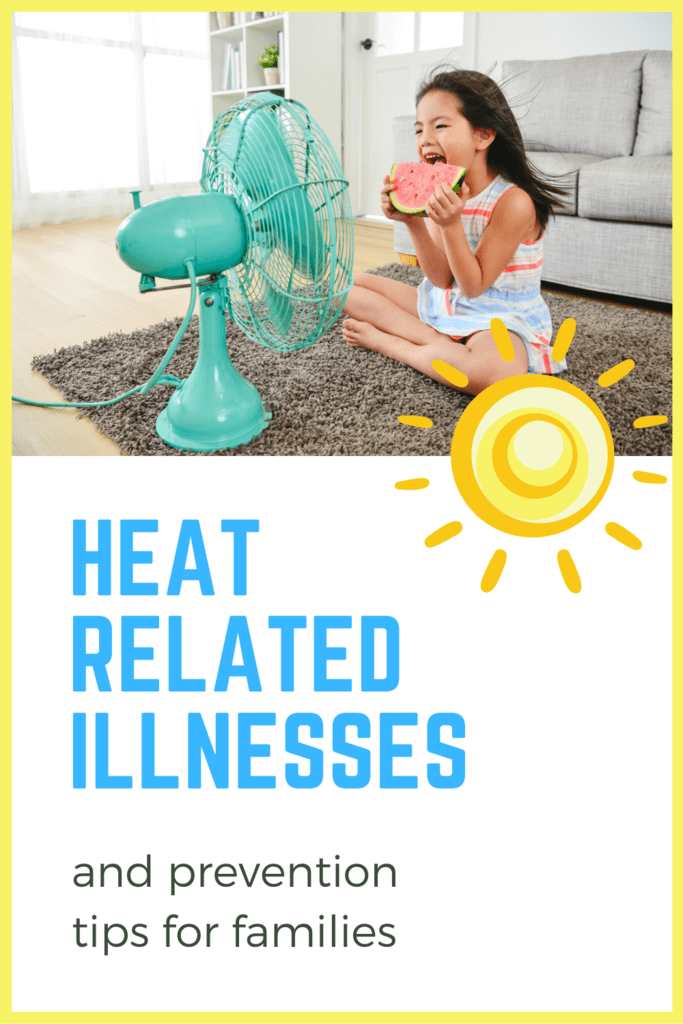
Heat Related Illnesses and Prevention Tips for Families

June 1, 2020

heat related illnesses

Heat related illnesses are a dangerous complication of hot summer days, but they unfortunately often go unnoticed in children. While an adult may notice that they aren’t feeling well and will start to slow down or try to cool off, kids often push themselves further and keep playing beyond a safe point. Kids are also more subject to heat related illnesses so just because you feel okay does not necessarily mean that your child is doing okay too.


For more on this topic, check out the full Summer Safety & Activities collection

Throughout these posts, we are talking about all things Summer Safety. These posts contain information and resources that I have been able to compile as a fellow parent, but I am not a medical professional, and you should always seek professional help for any concerns. I also encourage you to use these resources as a starting point and do more research on any of your particular concerns as well. All of that being said… it’s summer, have fun!


child's hands playing in the sand


Heat Related Illnesses

Children under four years old are at a higher risk for heat related illnesses. Even adults can suffer from the same things if they overdo it in hot weather!

Prevention Strategies for Heat Related Illnesses

  • Never, ever leave children in a parked car (even if the windows are open).
  • Dress children in lightweight, loose, & light-colored clothing.
  • Avoid the heat of the day by doing outdoor activities in the morning or evening hours.
  • Cool off with cool showers or baths (think pool temperature water)

Symptoms of Heat Related Illnesses:

Heat Exhaustion

  • Heavy Sweating
  • Muscle Cramps
  • Weakness
  • Cold, pale, clammy skin
  • Fast, weak pulse
  • Nausea or vomiting
  • Fainting


Heat Stroke

  • High body temperature (above 103 F)
  • Hot, red, dry or moist skin
  • Rapid & strong pulse
  • Possible unconsciousness


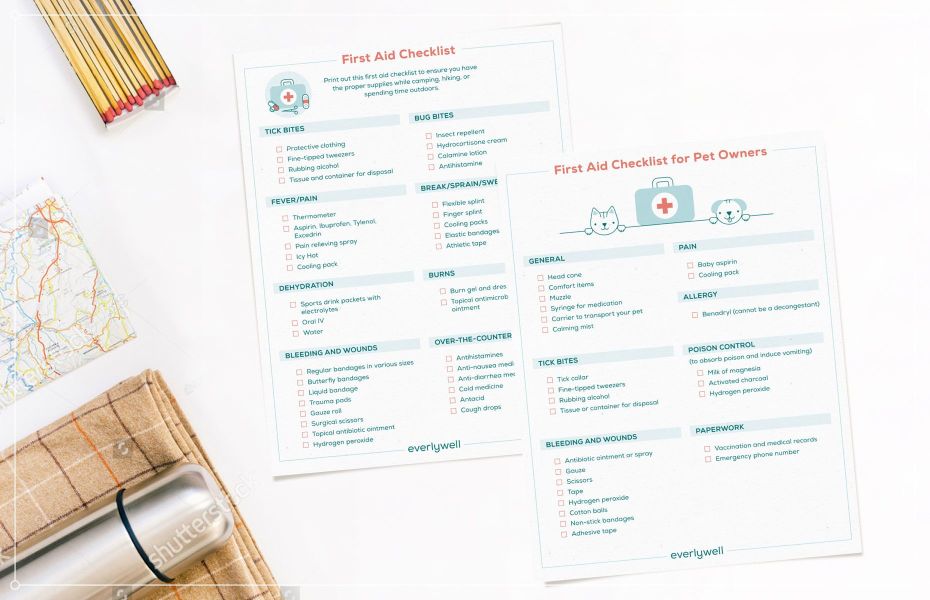
First Aid Checklist Printables for the Summer


mom putting sunscreen on daughter


Sun Protection for Kids

We all know that we need to apply sunscreen to ourselves & our children before heading out into the sun, but what exactly do we need to do to prevent skin damage & protect ourselves against skin cancer?

According to the CDC, “the sun’s ultraviolet (UV) rays can damage your skin in as little as 15 minutes,” which is way faster than I would have thought! You can seek out shade while you are outside, but it is safer to use sunscreen and/or protective clothing while you’re outside because shade does not always offer complete protection.


Sunscreen

You can get sun damage even on cloudy or cool days so it is recommended that you always put on sunscreen of at least SPF 15 before going outside.

Sunscreen Reminders:

  • An even, thick layer is key to maintaining protection so try your best to apply well.
  • Higher numbers of SPF indicate more protection, but you should at least use SPF 15.
  • Sunscreen wears off with swimming, sweating, toweling off, or even just the passage of time. Reapply every two hours or after swimming, sweating, or toweling off.
  • Sunscreen expires! Most sunscreens list an expiration date, & if it doesn’t, it still won’t last more than three years. High temperatures can also affect your sunscreen & how well it protects you so it is a good idea to simply buy a fresh batch of sunscreen each year.
  • Some makeup, moisturizers, lotions, lip balms, etc have SPF protection; however, if that SPF level is less than 15, you still need something else.

[ Read: The Science of Sunscreen ]


Protective Clothing

Interestingly enough, clothes offer a wide variety of protection & aren’t always reliable on their own. For example, your standard t shirt actually has an SPF rating of less than 15! Other factors also contribute to how protective your clothing may be such as…

  • Tightly woven fabric is better
  • Dry clothes are better than wet ones
  • Darker colors are better than light ones

Normal clothes & coverups are fine if you are also wearing sunscreen, but you can also buy protective clothing meant to specifically block UV rays. Sunglasses & hats are also a great way to protect yourself from the sun & still have a great time!


Preventing Heat Related Illnesses in Kids

More than anything, keep a close eye on your kids when you are out and about. If they suddenly seem more sluggish, overheated, or just not themselves… then quickly help them cool down using the tips mentioned in this article. You know your kids best so don’t ignore you gut instinct when it is telling you to worry!

For more on this topic, check out the full Summer Safety & Activities collection


heat related illnesses

Filed Under: Summer Safety and Activities

Water Safety for Kids and Families

June 1, 2020

Water Safety for kids

Water safety for kids becomes a much bigger issue for those of us on the East Coast in the summer months – compared to those of you who may live in warmer weather year-round. This means that headed into pool season, it is always good to remind ourselves to be aware & prepared. Below is a list of common concerns when it comes to water safety partnered with some resources…


For more on this topic, check out the full Summer Safety & Activities collection

Throughout these posts, we are talking about all things Summer Safety. These posts contain information and resources that I have been able to compile as a fellow parent, but I am not a medical professional, and you should always seek professional help for any concerns. I also encourage you to use these resources as a starting point and do more research on any of your particular concerns as well. All of that being said… it’s summer, have fun!


Signs of Drowning in Kids

It is important to spread awareness that drowning does not necessarily look the way that it is presented in movies. People who are drowning are not able to call for help or wave their arms; the body is focusing on trying to get any gasps for air that they possibly can. When drowning, a person’s head will bob up & down trying to get the mouth above water before sinking again. It is also instinct for a person’s arms to go out to the side & try to press down on the surface of the water. When drowning, the body resorts to instinctive movements, & there are not conscious thought patterns or purposeful movements or speech. It is strictly survival mode, & people are not able to reach out for help.

“Sometimes the most common indication that someone is drowning is that they don’t look like they’re drowning. They may just look like they are treading water and looking up at the deck. One way to be sure? Ask them, “Are you all right?” If they can answer at all—they probably are. If they return a blank stare, you may have less than 30 seconds to get to them.” – Slate.com

View more details here…


Signs of Dry Drowning

Information about dry drowning (or secondary drowning) is thankfully making it’s way around the internet, raising awareness to this issue.

“With dry drowning, water never reaches the lungs. Instead, breathing in water causes your child’s vocal cords to spasm and close up after he’s already left the pool, ocean, or lake. That shuts off his airways, making it hard to breathe.” – WebMD.com

“Secondary drowning happens a little bit differently. Your child’s airways open up, letting water into his lungs, where it builds up, causing a condition called pulmonary edema. The result is the same: trouble breathing.” – WebMD.com

The scary thing about these issues is that they can have a delayed effect where you may not see symptoms until up to 24 hours later. Symptoms may include trouble breathing, chest pain, coughing, & feeling very tired. Of course, children who have been swimming all day may display signs of being very tired & irritable anyway so it is something to keep an eye on & check with a doctor if you have any concerns. These situations are very rare, but it is always good to be aware.


First Aid Checklist Printables for the Summer


boy in a pool looking up at camera


Swimmer’s Ear in Kids

Swimmer’s Ear is common over the summer because water can stay in the outer ear canal & breed bacteria. The best treatment is to prevent the condition from occurring or getting worse. There are prescription ear drops available for later stages of swimmer’s ear, but you can also create an ear drop solution to be used regularly at home to prevent this condition.

Ear Drop Solution Recipe: Half white vinegar & half rubbing alcohol

Read more about symptoms & treatment here…

Life Jackets for Kids

Whether you are heading out on a boat or simply going to the neighborhood pool, proper life jackets are so important!

Life Jacket Safety Checks:

  • U.S. Coast Guard approved life jacket
    • Products packaging often states when a life jacket is Coast Guard approved
  • Make sure the life jacket fits properly
    • Have child lift their hands above their head. If the life jacket, hits the child’s chin or ears, it might be too big.
  • Make sure that the straps are tightened well
  • Check the weight minimums & maximums for your child’s particular life jacket

Our family’s top pick for life jackets are the puddle jumpers. The puddle jumper shown below is U.S. Coast Guard approved, & they are so comfortable for kids! My boys hated wearing life jackets until we found these. They help them swim more naturally & give them more control over their bodies. Some traditional life jackets tip your forward making it hard to keep your head above the water, & arm floaties by themselves can be very dangerous because they can fall off or deflate. These puddle jumpers combine the chest flotation with the arm floaties so that kids can get around & stay safe.

You can purchase a puddle jumper via our Amazon affiliate link…


little girl in a puddle jumper


Pool Floats can be dangerous

Rafts, inflatable boats, tubes, etc can be a lot of fun to play with in the water, but they can be dangerous! People can get stuck under rafts, lose their bearings, & have trouble resurfacing. Inflatables seem lightweight & easy to maneuver, but if you are underneath one of them, you can’t press it up off your head because you don’t have any leverage to press against (you just sink down instead of the inflatable going up).

If you are using these types of toys & rafts, be extra vigilant about watching your children. They can be a lot of fun, but as with anything else… caution is needed.

[ Read: How to Prepare for the Pool as a Family ]


Boating with Kids

Life jackets are crucial any time you are going boating, but it is also important to teach your kids general boat safety before heading out.

Boat Safety to Review:

  • Don’t lean over too far (you could fall over or if you are in a kayak/canoe you could capsize it)
  • Remember that there is a boat motor (you cannot jump off the back or dip a toe in off the back of the boat if there is a motor running)
  • Ropes are not toys (there could be waterskiing rope, tow ropes, or dock ropes  in the boat, & they can be dangerous to get tangled up in)
  • Children must wear life jackets at all times
  • Floating paddles/oars should be on the boat as back ups
  • Do NOT swim under the boat

For more information, you can download the Coast Guard Foundation’s Boating Safety Guide here…


For more on this topic, check out the full Summer Safety & Activities collection


Water Safety for kids

Filed Under: Summer Safety and Activities

Kindergarten Readiness Checklist – Free Printable for Parents

Free Printable Kindergarten Readiness Checklist for Parents

When my first son was approaching Kindergarten, I emailed the Director of Elementary Education in our school district to ask about Kindergarten assessments and Kindergarten readiness. We were doing a lot of preschool activities at home together, but I wanted to make sure that I was on the track with what I was teaching him….

Read More

Filed Under: Education Options

Make the Most of Small Space Living With Kids

small living space with kids

When you have children, you will suddenly realize just how little space you have, no matter where you live. Small space living becomes difficult as dishes can pile high and toys can be found in every corner of every room. Add in a few larger items like a bouncer or changing mats, and it can suddenly feel like there is little space for much else. If you live in a small home or an apartment, then it can be a real struggle to make sure that you have space for everything.

So, what should you do if you live in an apartment or condominium with children? One of the first things to do is to make sure that you are organized. From storage space that you make the most of in your children’s bedroom, to decluttering your kitchen’s drawers. There are a variety of areas to look at, and thankfully lots of wonderful solutions in order to declutter a smaller living space. Keep reading below for steps that you can take to get organized, and make the most of the space that you have.


For more on this topic, check out the full Get Organized collection


Light and Airy Spaces Feel Bigger

Adding a baby into the home can be a complete whirlwind! While it is a joyful celebration, it can also feel a little overwhelming. Suddenly there are a lot of things that you need for such a tiny person. You probably will find yourself searching for storage solutions for all of those baby essentials. But you do have options! Search around on Pinterst, or turn to HGTV for some fresh inspiration.

And after doing a little research, you will most likely find that the experts recommend keeping the decor in your home as light and airy as possible. Light colors will help to make a room look bigger than it actually is. And lighter colors can even can go a long way to lighten the mood!

[ Find great parenting resources for Baby’s 1st Year ]


Drawers Help Small Space Storage

In your child’s room, drawers are going to help a lot! While hanging space in a closet is nice, not everything a child needs can be hung up. Drawers can house clothes, as well as diapers, blankets, wipes, and toys. If the bedroom does not have a lot of extra space for a dresser, consider placing one in the closet under the hanging rack, or look for smaller drawer units that can fit under cribs or beds.

[Read: 4 Simple Steps to Organize Your Kid’s Closet]


flat lay of colorful toys


Minimize Toys for Small Space Living

If you have a small urban home, then it is likely that you have a lot of open space, and perhaps no dedicated playroom. If this is the case, then you need to come up with a toy strategy before they take begin taking over your space.

You might be amazed to discover how just a few cabinets in one room, a couple of shelves in another, and a few nice large totes, can neatly offer a lot of options! And from there you will be able to get creative and find even more corners to create something that encourages play.

[ Read: How to Organize Kids’ Stuff at Home ]


Acknowledge lack of space

It can be hard living in a smaller space with children, but you do need to acknowledge it for what it is. Of course, having large playpens, toy kitchens, and yard toys can be great! But if there really isn’t the space for them, don’t bring them in. Talk to family and friends about this before they buy something oversized for your home or for your child’s birthday. If you don’t want a home full of toys, especially large ones, then you need to work with what you have, and just don’t bring them into your space in the first place. Children will have plenty of chances to play with these kinds of things elsewhere.

[ Read: Gifting Experiences (instead of toys) ]


flat lay of scattered women's shoes


Shoe organizer for more storage

Shoes, because everyone has them, and will have two on at a time, can really pile up. If you take them off near the door, then there can be mounds of them at any one time. That is why it is a good idea to make sure that shoes are organized. But you will need to work with what you’ve got. For some people, it will mean an Ottoman-style bench in the hallway that shoes can go in. For others, there will be a closet in the hallway, and shoes can go on shoe racks. Decide now what you will do, and make sure that you implement it. Your child might need a few reminders, but eventually they will remember where there shoes need to go.

[ Check out this step by step guide to an Organized Entry Closet ]


Deep clean your small spaces

When you are living in a smaller space, dirt and mess can build up quite quickly. If you don’t take control of it, then it can become overwhelming and feel like too much to handle. So it can be a good idea to have a super deep clean once or twice a month, and then do smaller daily and weekly cleans in between. It shouldn’t take long when you have a smaller home. But if you don’t do it, then it will become a bigger challenge. I have always found that it is much easier to maintain when there is order to begin with, then it is to deal with the result of complete chaos that has gotten out of hand.

[ Read: 30 Days to Clean House and Simplify Your Life ]


wall of bookshelves


Use the vertical space you have

The floor space that we can have in smaller homes can often be a little limited. And if there are too many things on the floor, then it can feel super cluttered and messy. So think about the vertical space in the home, and use that. If you have a child’s bike just in the hallway, for example, could it be mounted on the wall, or hung from the ceiling with hooks? When it is up and off from the floor, you’d be surprised just how much more spacious it can feel. So look for new options that can be hung and free up your floorspace.

For more on this topic, check out the full Get Organized collection

small living space with kids

Filed Under: Get Organized

Family Activities that Also Teach Life Skills

May 29, 2020

family activities that teach life skills

When it comes to your family, your main goal is to raise them the right way and allow them to flourish in what they love. You have to then prepare them for what life might throw at them so that they can head into adulthood with all the maturity and prowess they can possibly muster. During that time, however, you have lots of space to play around with. It’s not all about the serious things in life; you can also have a little fun as they grow, and fun family activities that teach life skills are a great way to do that!

Doing things as a family not only boosts your endorphin levels, but it also creates an even stronger bond between all of you. Even if you feel it couldn’t be any tighter than it is right now, it’s always beneficial to spend more family time together.

Doing family activities together can even improve cognitive and specific skills that can later be used productively. Sure, sometimes you can get a little worn down, and the idea of being active after taking care of your children all day can feel like a lot. But the majority of the time, you will all be able to enjoy these types of family activities together. Keep reading below for a few fun ideas that will help encourage family bonding, while stimulating your minds, and adding to your skill sets.


For more great family activity ideas, check out the Summer Activities collection


little girl playing piano

Playing Music as a Family

Music is a beautiful pastime to be involved in. Not only does it soothe one or make someone feel any kind of emotion they choose, but it can also increase their brainpower and hand-eye coordination. We’re not suggesting you should immediately strive to become an amazing band – even though that would be cool! Simply learning the basics together through trial and error can be a fun little experience.

[ Get more insight with this guide to choosing after school activities ]


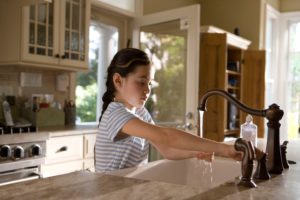
girl at sink

Cooking And Baking with Kids

Making food is obviously a necessary skill in life as we all need to eat. It’s another thing that can be quite relaxing – unless you’re in the kitchen with Gordon Ramsay! Getting together and making things like brownies and cakes will put smiles on everyone’s faces. If your kids are avid enough, they might want to take it up more often, and that’s only going to benefit them as they grow.

[ View family friendly recipe ideas ]


First Aid Checklist Printables


kid dad feet hiking

Exercising as a Family

Opportunities for exercising can be a little trickier at different times. But that doesn’t mean we can’t get out of the house every now and again and play a few games. Even going for walks would be a good idea. We all need to exercise, after all. Soccer, catch, hockey – any sport or activity you can think of will boost some of your physical skills while you share in some laughs.

[ A family photo walk is a great way to get outside together ]


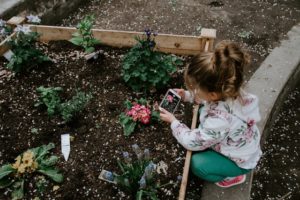
little girl taking picture of a flower in a garden

Garden Work

This might sound like a chore, and for many it might be. But it’s yet another hobby that people can really get a lot out of while increasing physical and creative skills. Kids like building forts and treehouses to hide in (this is a fun one to let Dad take charge of). So this could provide another opportunity to also have some fun! Keeping the garden and yard looking pristine is always a work in progress. And it would be nice if the kids could recognize it and help out with it too!


For more great family activity ideas, check out the Summer Activities collection

family activities that teach life skills

Filed Under: Summer Safety and Activities

  • « Go to Previous Page
  • Page 1
  • Interim pages omitted …
  • Page 88
  • Page 89
  • Page 90
  • Page 91
  • Page 92
  • Interim pages omitted …
  • Page 134
  • Go to Next Page »

Copyright© 2026 · Brunch Pro Theme by Shay Bocks

We use cookies on our website to give you the most relevant experience by remembering your preferences and repeat visits. By clicking “Accept”, you consent to the use of ALL the cookies.
Cookie settingsCLOSE and ACCEPT
Manage consent

Privacy Overview

This website uses cookies to improve your experience while you navigate through the website. Out of these, the cookies that are categorized as necessary are stored on your browser as they are essential for the working of basic functionalities of the website. We also use third-party cookies that help us analyze and understand how you use this website. These cookies will be stored in your browser only with your consent. You also have the option to opt-out of these cookies. But opting out of some of these cookies may affect your browsing experience.
Necessary
Always Enabled
Necessary cookies are absolutely essential for the website to function properly. This category only includes cookies that ensures basic functionalities and security features of the website. These cookies do not store any personal information.
Non-necessary
Any cookies that may not be particularly necessary for the website to function and is used specifically to collect user personal data via analytics, ads, other embedded contents are termed as non-necessary cookies. It is mandatory to procure user consent prior to running these cookies on your website.
SAVE & ACCEPT