• Skip to main content

Adore Them Parenting

Practical Positive Parenting Advice and Resources

Practical Positive Parenting

Go here for our book!

  • About Us
  • Our Book
  • Parenting Advice
    • Raising Children
    • Family Life
    • Seasonal
    • View All Topics
  • Free Printables
  • In the Media
  • Shop

Karissa Tunis

Child Identity Theft Beyond the Digital Realm

August 12, 2023

We’ve all heard about the dangers of identity theft online – it’s a common headline, a familiar warning. As parents, we’ve become vigilant gatekeepers of our children’s digital world. But did you know that the risk of child identity theft extends beyond the computer screen? It seeps into our everyday, offline life as well, hiding in places you may not expect, like school records and misplaced documents.

This article looks at this less-acknowledged aspect of child identity theft, arming you with the knowledge to safeguard your child’s identity in every corner of their life.


For more helpful resources, check out the full Home Safety collection


Understanding Child Identity Theft

From virtual learning to social media, different platforms can be treasure troves for identity theft. It might sound like a plot from a high-stakes thriller, but it’s a very real, everyday threat. In the simplest terms, it’s when someone uses another person’s identifying information, usually for financial gain. This could mean using someone’s name and social security number to open credit card accounts, take out loans, or even get medical treatment.

The effects of child identity theft can be far-reaching. It can destroy a child’s credit before they’re old enough to have a credit card. It can also result in false medical records or false criminal records tied to the child’s name. Most insidiously, it can go undetected for years, only coming to light when the child applies for their first loan or job.

Identity theft protection software plays a significant role in our battle against this pervasive issue. These digital guardians are like modern-day knights, constantly monitoring and protecting your child’s personal information online. Aura and Identity Guard are two examples of identity theft protection software. Do your research and see the difference between the two to help you decide which one can offer better protection.

Aside from diligent monitoring, identity theft protection software can also help implement a proactive resolution. For instance, with software like ID Watchdog, you can freeze and unfreeze credit within a few clicks. This way, it’s easier to manage the situation and prevent the issue from escalating.

Nonetheless, child identity theft extends beyond the digital world. It’s not just the unseen hackers or phishing scams we need to be wary of. Rather, it’s a multifaceted problem that seeps into the physical and administrative aspects of our children’s lives, exploiting the unlikeliest of loopholes. Understanding this broader landscape is vital in ensuring comprehensive protection for our children.

Common Sources of Child Identity Theft Beyond the Digital Realm

Child identity theft extends its tentacles far beyond the digital frontier. Offline spaces offer a trove of information that can be misused, and understanding these sources is the first step toward comprehensive protection.


School Records

One of the unsuspecting sources of child identity theft is school records. These documents hold a plethora of personal information, from birth dates to addresses, and even Social Security numbers. While schools maintain stringent protection measures, breaches can still happen, either through unsecured paper files or staff negligence.


Medical Records

Medical records also hold vast amounts of personal and identifiable information. In the wrong hands, this data can be used for medical identity theft, leading to a misrepresentation of your child’s medical history. Even a misplaced insurance card could give a thief enough data to cause damage.


Lost or Stolen Documents

Every day documents like birth certificates, Social Security cards, or passports contain valuable information for identity thieves. A lost or stolen document can lead to disastrous consequences if it falls into the wrong hands.


Keep an Eye on these Signs of Victim of Identity Theft

Understanding the signs of child identity theft is just as crucial as knowing the sources. The damage caused by identity theft can often be mitigated if detected early.


Unusual Mail or Calls

Receiving mail or calls for your child regarding financial matters can be a significant red flag. If your child starts receiving credit card applications, bills, debt collection notices, or calls from debt collectors, it might mean that their identity has been compromised.


Denied Government Benefits

Denial of government benefits is another possible sign of identity theft. This could mean that the benefits are being paid to another account under your child’s Social Security number. This could mean that someone else is using your child’s identity.


Credit Report Issues

If your child has a credit report before they should, it can be a sign of identity theft. Similarly, if your child’s credit report shows accounts or debts that you did not initiate, someone may be using your child’s identity.

How to Protect Your Child from Identity Theft

Protection is paramount, especially when it concerns our children. Knowing the risks and signs of child identity theft is essential, but proactive measures can significantly reduce the chances of your child becoming a victim.


Limit Sharing of Personal Information

The first step is being mindful about where and when you share your child’s details. Whether it’s for school, sports, or extracurricular activities, always ask why the information is needed and how it will be protected.


Secure Important Documents

Place vital documents like birth certificates, Social Security cards, and passports in a secure location, such as a safe or a lockbox. Only take them out when necessary.


Shred Sensitive Documents

Invest in a shredder and ensure that all documents containing personal information, even if they seem insignificant, are destroyed before disposal.


Monitor Mail and Online Activity

Regularly check the mail addressed to your child and be wary of unsolicited offers or communications. For older children with online activities, educate them about the importance of strong, unique passwords and the dangers of oversharing on social media.


Request a Credit Freeze

Consider placing a credit freeze on your child’s Social Security number. This prevents any new accounts from being opened in their name until the freeze is lifted.


Educate Your Child

In the same way we teach children to be compassionate, do basic responsibilities, and treat others with respect,  there’s one thing we should not miss – teach them about the importance of privacy. Make them aware of the tactics scammers might use and the importance of never sharing personal details without consulting a trusted adult.


Conclusion

In our digital age, the threat of identity theft looms large, but it’s crucial to remember that risks also persist in the tangible, everyday world. By understanding the myriad sources of child identity theft, recognizing the signs, and taking proactive measures, we can fortify our children’s identities against potential threats.

As parents, guardians, and caregivers, it’s our responsibility to remain vigilant, always prioritizing our child’s safety in every realm. After all, in the journey of parenting, protection, and preparedness are two of the greatest gifts we can offer our children.

For more helpful resources, check out the full Home Safety collection


Filed Under: Home Safety

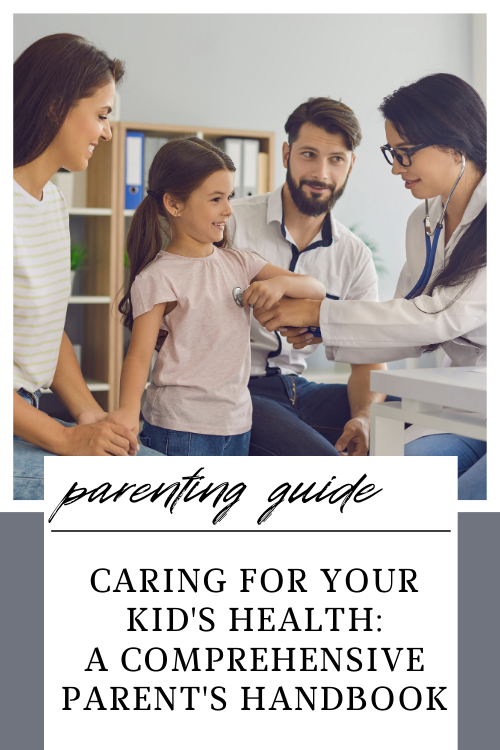
Caring for Your Kid’s Health: A Comprehensive Parent’s Handbook

Caring for Your Kid’s Health: A Comprehensive Parent’s Handbook

As parents, we find ourselves embarking on an incredible journey of nurturing, guiding and cherishing our children. And a key aspect of this is guaranteeing their health and well-being. But in today’s fast-paced world where information abounds, it can feel really daunting at times.

Don’t worry; we’ve developed this extensive parent’s handbook full of expert guidance that combines practical wisdom with some expert advice and a lot of positivity!


For more on this topic, check out the full Staying Healthy collection


Laying a Solid Foundation

The most important thing we can do as parents is lay a good foundation our kids can capitalize on later in life.

Nutrition plays a really central role here, with the balance being of utmost importance. Think of each meal as a canvas where colorful fruits, veggies, whole grains and lean proteins come together to achieve maximum nutrition for little ones. And oh yes, don’t forget hydration. It’s easy to forget as adults but drinking plenty of water is integral for growing bodies.

Physical activity should also play an important role. But what if kids just want to stay in a veg in front of screens? Encourage your children to embrace nature with outdoor play activities like tag or bike riding. They’re much more likely to get out if they’re doing an activity. And they’re great ways of staying physically fit while simultaneously developing creativity and socialization skills. While screens can still play their part, nothing beats running free under the sun.

But these are just the basics. What else goes into laying a foundation of good health?


Building Immunity

A healthy immune system for your child’s well-being is like having their own guardian angel. Nutritious foods, like colorful fruits and veggies, are immunity heroes. Let’s not forget vaccinations either. These regular immunizations provide invaluable protection from a whole host of different illnesses so your little one can explore life with full confidence!


Nurturing Mental and Emotional Well-Being

Just like physical health is vitally important, mental and emotional wellness is just as essential. Children today are exposed to so many external sources that their emotions can sometimes feel overwhelmed. Create an atmosphere in which your children can safely express themselves while simultaneously receiving your unconditional support. Activities like family game nights or having meaningful dialogue can do wonders for building up resilience in them.


Assuring a Safe Environment

A secure environment is absolutely necessary for kids’ development. Childproofing your home should cover every base; each sharp corner and electrical outlet needs its tailor made cover. And once they venture beyond home boundaries, teach them important safety rules like looking both ways before crossing streets or wearing helmets while biking.

Adopt Healthy Habits for Life

As parents, we hold the incredible responsibility of shaping our children’s futures. Every lesson and example that we impart becomes part of their lives forever. None more so than when it comes to healthy habits that pave the way towards vibrant and fulfilling existences.

Here are a few habits worth instilling in your little ones.


Dental Hygiene: Nurturing Pearly Whites

A sparkling smile is more than aesthetic; it is also an indicator of overall health. Instilling proper dental hygiene practices at an early age sets the stage for strong teeth and gums throughout life. Make brushing and flossing part of your daily ritual, viewing it more as an adventure than an obligation. Maybe choose a toothbrush featuring their favorite cartoon character for a splash of fun!


Sleep: Not Just for Weary Bodies

Restful nights for our kids are essential in building up healthy minds and bodies that can take on new adventures throughout their days. Establishing an effective bedtime ritual can turn evenings into peaceful rituals. Remember, well-rested children make for happier people that can take on every new day with enthusiasm!


Regular Hand Washing: Protect Your Health

Hand washing’s one of the most effective defenses against germs and illnesses. Teach your children the importance of hand washing prior to meals, outdoor playtime, using restroom facilities, and after using restroom facilities. You can even make it fun with singing while you scrub.


Proper Posture: Standing Tall for Life

Nowadays, we spend most of the time hunched over computers, phones and laptops. But maintaining it can have significant effects on spinal health and general wellness. Encourage your children to stand and sit up straight with shoulders back and chin up. Teach them that an aligned spine not only promotes physical fitness but can also boost their self-assurance.


Mindful Eating: Nourish Body and Soul

Food can be more than fuel; it’s also a celebration of life and a connection to ourselves. Teach your children the art of mindful eating by encouraging them to enjoy each bite, listening for their body’s hunger cues, making choices that nourish rather than deplete, and cultivating a better relationship between them and food.


Managing Common Health Concerns

Parenthood can be an exciting journey of joyous milestones and unexpected turns. Ones you won’t experience again as your little explorer progresses along their developmental path. While we can’t cover them entirely with bubble wrap, as parents we can arm ourselves with the knowledge and tools necessary to managing everyday health challenges.

A Well-Stocked Arsenal: Your First Aid Kit

Your first aid kit will be your lifeline. A properly equipped kit can quickly transform tears to laughs again in no time. Include essential items such as adhesive bandages of various sizes, antiseptic wipes, gauze pads, adhesive tape, tweezers, scissors and a digital thermometer.


First Aid Tips for Minor Injuries

Children will suffer minor injuries at some point in their life, and knowing how to administer first aid is an invaluable experience for both parent and child alike.

  • Cuts and Scrapes: For scrapes and scratches, clean the area gently using water and mild soap before applying an antiseptic ointment or cream to avoid infections before covering with sterile bandaging.
  • Splinter: Should they bring home souvenir splinters from outdoor adventures, use clean tweezers carefully extract them, followed by careful cleansing and bandaging afterwards.
  • Bumps and Bruises: Bumps and bruises are part of growing up and something as simple as a cold compress may help relieve swelling. For anything more serious than just bumps, watch for persistent vomiting or behavioral changes, in which case seek medical assistance as soon as possible.
  • Fever and Sniffles: Coughs and fevers are part and parcel of growing up; be ready for them by providing extra comfort, rest and hydration as necessary. Over-the-counter fever reducers or saline nasal drops might give temporary relief, but if they stick around, head to your family doctor.

Parenting often means treading uncharted waters, and sometimes it’s best to seek professional guidance. Healthcare providers are your partners in caring for the well-being of your child; they offer invaluable reassurance and assistance during times when you need help the most.


Exploring Digital Health Resources

Information accessible in today’s digital era can both benefit us and challenge us. Now you can check your symptoms online, get a Bactrim prescription online, and get advice from experienced parents. The web provides us with plenty of resources that help navigate children’s health maze. But as we navigate these virtual depths, it’s imperative that the data accessed is factually accurate.


Sorting Fact From Fiction in Digital Form

With just a few keystrokes or swipes of your smartphone screen, you have access to an abundance of articles, blog posts and videos covering virtually every health topic imaginable. But not all sources are created equal since the internet provides an open forum where anyone can freely express their ideas without rigorous fact-checking processes in place.

So how can you identify credible information versus mere speculation online?

Here are a few helpful strategies for navigating the digital health landscape with confidence:

Trustworthy Websites

To establish credibility when seeking health advice online, it’s essential to rely on trustworthy websites. Reputable medical institutions, government health agencies and renowned pediatric associations all provide accurate and evidence-based advice. These could be AAP or the Centers for Disease Control and Prevention’s websites which offer valuable insight into children’s healthcare.

Expert Articles

To identify authoritative articles that offer reliable health information for children and parents alike, seek those written or reviewed by medical professionals, experts in their fields or experienced parents. These pieces undergo stringent scrutiny before publication so you know that all the data provided by them is current. Peer-reviewed medical journals like the Journal of Pediatrics offer in-depth research findings which may shed new light on complex topics.

Verified Online Communities

Parenting forums and communities online can provide invaluable sources of real-life experiences and advice. But, please use them only as starting points for conversation rather than as authoritative sources for guidance. Don’t act on advice received here without first checking it against trusted medical sources.

Fact-Checking Tools

There are various fact-checking organizations dedicated to verifying online content’s accuracy, such as Snopes, FactCheck.org and Health Feedback. Websites offering transparent evaluation of health-related claims online and providing assessments on credibility evaluation. Utilize these tools when making health-related decisions online that involve your child.

Your Healthcare Provider is the Ultimate Authority

While internet resources may provide valuable advice for parenting your child, healthcare providers remain the ultimate authority on matters relevant to them. Whether you don’t know how to talk to your kids about their health or have encountered unclear advice online or elsewhere, consult them first.


Conclusion: Empowered Parents and Thriving Children

As we come to the end of this comprehensive parent’s handbook for kids’ health, remember that you’re not alone. Armed with knowledge and love, you’re equipped to foster an environment of well-being for your children. Learning, adapting, and cherishing every moment is part of living healthy, happy lives. So embrace each moment with open hearts and healthy minds!

Always consult a healthcare provider for recommendations tailored specifically to your child’s needs. This handbook serves only as general advice.

For more on this topic, check out the full Staying Healthy collection


Filed Under: Staying Healthy

How to Choose A Stunning Wedding Dress that Reflects Your Personality

wedding dress personality graphic

For most women, a wedding is about two things: finding the man of their dreams, and the wedding gown to match the day. When it comes to choosing a perfect wedding dress, there are so many factors to consider. One of the things you should keep in mind is that you should choose a wedding dress that matches your personality. However, it is much easier said than done. So if you want to choose a stunning dress that reflects who you are, the following tips should be immensely helpful!


For more on this topic, check out the full  Navigating Marriage collection


wedding dress

Keep an Open Mind

It is common to see brides who go into bridal shops with a long list of features that they would want their wedding dress to have. Doing so usually leads to a lot of stress when choosing a wedding gown.

Instead, it would be better to keep an open mind. Not all brides can afford to have a unique dress designed for their special day. But most brides will be shopping for one. Therefore, finding the perfect wedding dress involves a lot of trial and error. The search is usually half the fun, and finding it is the other half. If you can keep an open mind, usually the perfect dress will find you.


Research

If you want a stunning wedding dress that reflects your personality, then you will have to do your research. It is much easier to find what you are looking for if you know what that is.

The good news is that you can do as much research as you need online as there are so many sources of information. On the other hand, you should know that there is a time limit on the research, and a choice eventually has to be made.

You should already have an idea of what dress type matches your personality by the time you enter a bridal shop. Otherwise, you will be at the mercy of the sales techniques the persuasive shop employees will utilize.


Shop Early

You will have adequate time to shop for a wedding dress from the time of your engagement to your wedding day. However, you should not leave it until the last minute as you will probably make the wrong decision.

You should know that the best time to shop for a wedding dress is as early as possible. Some wedding dresses take up to eight months to be made, which means you will need to order in plenty of time before the wedding day.

Moreover, there will be additional time needed to make certain modifications such as size alterations and accessorizing. The more time you have to choose your wedding dress, the higher the chance of getting exactly what you want.


Have a Budget

One of the first things you should do before choosing a wedding dress is create a budget. It will definitely save you a lot of heartbreak later when you are searching for a wedding dress. The prices of wedding gowns vary widely and some could end up putting you in significant debt. You want a dress that reflects your personality, but not at the risk of financial ruin.

The ideal dress will meet the balance between affordability and aesthetics. If it does not, then it is not the perfect wedding dress.

Shopping early for a wedding dress is a great idea because it allows you time to find deals that can really offset the price. No matter how uncomfortable it is to talk about numbers, you should do it if you are to get the perfect wedding dress.

[Read: Saving Money]


Wedding Theme

If you are to choose a wedding dress that is quintessentially you, then you need to know the wedding theme beforehand. It will help avoid making mistakes that will dampen your special day. The last thing you want is your wedding dress to clash with your wedding style. For example, if you are having an outdoor wedding, a stunning vintage or elegant preowned engagement ring combined with, long sleeve wedding dresses by Jovani will be a fantastic choice. The wedding style will have to match the wedding dress and you might have to make some accommodations to accomplish that.

Therefore, as you are in the planning stages of the wedding, choose the theme and venue as early as you can. Keep it in mind while you do your research and shop for a wedding dress if it is to match your personality.


Shopping Crew

You will probably not be shopping alone when choosing a wedding dress. You will have a shopping crew who will have a significant influence on the dress you choose to wear on your big day. Therefore, it is paramount that you choose your shopping crew wisely. Though you may love your mother, sister, and friends; some of them will be a bad choice for your shopping crew.

You want a crew that will have your best interest at heart and who will not be biased in their choice. It will also be crucial to have a crew that will give you an honest, objective opinion. Therefore, choose a crew whose opinion matters to you and you know you can trust.

[Read: Friendships]

Trust Your Gut

Choosing a wedding dress can seem overwhelming, especially considering all the factors that you need to take into account. However, there is one factor that surpasses them all; your instincts.

If you want to choose a wedding dress or gown that truly reflects your personality, it is paramount that you follow your instincts. It is all well and good to do your research and have an objective view. But, if the feeling within is not congruent with the dress, you will not like it.

You should remember that the sale of most wedding dresses and their accessories is final. Therefore, you don’t have the luxury of returning a dress that you don’t like.

The only way to be certain about your choice is to trust your instincts. Everything else is secondary and will matter little in the end.

Choosing a wedding dress that reflects your personality is much easier said than done. However, if you can follow the tips above, you should have a good chance of choosing a dress that you will remember for the rest of your life. You deserve to shine and be comfortable on your wedding day and choosing a dress that is quintessentially you is the best way to do so.

For more on this topic, check out the full  Navigating Marriage collection


wedding dress personality graphic

Filed Under: Navigating Marriage

The Importance Of Power Of Attorney In Estate Planning

August 9, 2023

Estate planning is complex, challenging, and vital to protecting your assets and ensuring your wishes are carried out accurately after passing. A pivotal tool in this critical process is granting power of attorney (POA). Understanding this concept and how it serves as an integral component in estate planning is essential if you intend to preserve your legacy.

However, you might wonder why you need someone else to make decisions for you. The answer to this question lies in the unpredictability of life. Illness, injury, or unexpected circumstances may render you incapable of managing your affairs. In such cases, the POA serves as a safety net by ensuring that competent, trusted individuals can step in and act in your best interests.

This article will explore how a power of attorney can help streamline estate planning. Read on to learn more.


For more helpful resources, check out the full Home Safety collection


Understanding The Power Of Attorney

Before familiarizing yourself with the importance of POA in estate planning and management, let’s first explore its definition and some essential things you need to know, including the different types. Primarily, a power of attorney refers to a legal instrument that assigns the authority to decide on someone else’s behalf.

When the POA is granted, the person giving this authority is known as the ‘principal’, while the person given the power to act on their behalf is referred to as the ‘agent’ or ‘attorney-in-fact.’ Depending on the specific type of power of attorney document created, the principal can delegate a wide range of powers to the agent.


Types of POA

Typically, there are different types of power of attorney, including the following:

  • Durable power of attorney: This is the most common type of power of attorney. This gives your agent the authority to act on your behalf for as long as you’re alive, even if you become incapacitated.
  • Springing power of attorney: This doesn’t go into effect until a specified event occurs, such as when you become incapacitated.
  • General power of attorney: This grants your agent authority to act on your behalf in all matters, financial and non-financial.
  • Special (or limited) power of attorney: This provides your agent with a particular authority to act on your behalf in a limited number of matters. For example, you could give someone a special power of attorney to sell your house or manage your investment accounts.

With all that said, the type of power of attorney you need may depend on your circumstances. Therefore, you should work with an attorney to create a specific POA that suits your needs. They can help you understand the various types and choose the right one for you. They can also help you draft the document and ensure it’s valid and enforceable.


Power of Attorney: A Pillar Of Estate Planning

Having understood what a power of attorney is, it’s now important to grasp its pivotal role in estate planning. Below are the reasons why a POA is essential in creating an estate plan:


Helping You Manage Your Financial Affairs More Effectively

Firstly, the power of attorney plays a significant role in asset management. Should the principal become incapacitated, the agent can step in to manage your investments, pay bills, file taxes, and take care of other financial obligations. This ability to continue financial management is crucial to avoid any potential complications, losses, or interruptions in the flow of your financial affairs. Because of this, you should include a POA in your estate plan to protect your financial health.


Helping You With Healthcare Decision-Making

The power of attorney also plays a role in making healthcare decisions. Through a healthcare POA, the agent can make medical decisions if you can’t. This component is important, especially when you have specific wishes about your medical treatment that need to be communicated and adhered to when you can’t express them. For example, if you don’t want to be kept alive on life support if you’re in a vegetative state or have a terminal illness, you may appoint a healthcare POA to make this decision if you can’t.


Preventing Potential Abuse

While the power of attorney is a valuable tool in estate planning, it also opens the door for potential abuse. Therefore, it’s crucial to take steps to mitigate such risks. You should select an agent you trust implicitly and who understands your preferences and values. Legal safeguards can also be implemented, such as requiring the agent to regularly account for the principal’s finances.

Moreover, you can use the POA document to set clear limits on your agent’s authority. For example, you might give your agent the power to manage your finances but not the power to make medical decisions for you. By doing this, you can prevent abuse in estate planning.

Navigating Future Uncertainties

Estate planning, by its very nature, prepares you for the unknown. The power of attorney documents can provide peace of mind by ensuring that someone reliable and competent is in place to handle your affairs when you can’t. This proactive approach is beneficial not just for you but for your loved ones as well. It helps eliminate uncertainties and potential conflicts during challenging times, offering everyone involved clear guidance on how to proceed.


Conclusion

The importance of the power of attorney in estate planning can’t be overstated. It’s a critical tool that offers protection and control over your assets and healthcare decisions in case life’s unpredictability turns into reality.

By understanding this legal instrument and its importance in estate planning, you can ensure a comprehensive, robust estate plan that stands the test of time and delivers on its intended purpose: to preserve your legacy and ensure your wishes are upheld.

For more helpful resources, check out the full Home Safety collection


Filed Under: Home Safety

How to Plan Your Dream Trip to Australia: 6 Steps for a Memorable Adventure

Not many people can say they are planning a trip to Australia, and as we’ve heard, you’re one of them. It’s crucial that before you hop on the plane and head over to Australia, you do what it takes to plan the trip the right way and ensure that everyone on the trip with you is ready for the vacation of a lifetime.

Australia is one place many people want to visit, but when you get there, if you’ve not planned accordingly, you’re not going to know what to do or where to start. Get ready to plan your trip after reading through our brief guide.


For more on this topic, check out the full Travel Tips collection


1. What’s the Best Time to Go

Before you get there, you’ve got to determine the best time to visit Australia. If you want to go during a time when it’s neither too hot nor cold, you’re going to want to choose some time between September to November. Another great time to go is anytime between March and May.

Both are great timelines and will ensure you get to do and see the things you want without getting caught in adverse weather. The best way to see Australia is by walking around and taking in the sights front and center.

After you determine the best time of year to go, the next thing you should do is secure your plane ticket. We recommend you buy your plane ticket early because it means you can secure a lower ticket price than buying during pique times.

For example, if you’re going to Sydney, it’s the best place to visit, no matter what time of year you’re visiting. Southern Australia is another destination spot that many travelers seek to visit. However, if you’re going to visit, ensure you do so during the warm months.

Or if you want to go to South-Western Australia, doing so in August or perhaps September is going to be the best to do so.

2. Think About Transportation

Next, you need to think about the transportation you’re going to use as you move about Australia. If you want to give everyone the VIP treatment, you might consider a private bus hire in Sydney with a driver. That way, you don’t have to worry about driving like a local while you’re visiting the area.

Transportation can become costly and, depending on where you’re going, can mean a long transit time. However, if you plan ahead of time, you can determine the cost of different types of transit and reserve things like a car or secure tickets for your transport.


3. Have a Budget

While you want to enjoy your trip, the last thing you want to do is spend more money on your trip than you’re able to afford. You need to take some time to determine the budget you’re going to allot to your trip and ensure this is discussed with everyone that will be taking the trip with you.

This will help to determine what everyone can afford, and determining the budget you’re going to use will help plan things like transportation and other activities. Ensure you keep your schedule flexible because something last minute you want to do could come up that you’ll want to pay for as well.


4. Secure Your Passport

Without a passport, you’re not going to be able to get to Australia or get back once you’re there. If you don’t have a passport or need to renew the passport, you’re going to have to visit your nearest passport provider and take care of this.

Ensure you review the website first so that you can meet all the requirements in place for people applying for or renewing their passports. While you’re doing this, look into travel insurance because it can be used to protect you while you’re on your travels.

5. How Much Time to Stay and Where to Stay

Before you visit, determine how much time you’re planning to visit the area. The longer you stay, the more time you have to visit each area you want to see and immerse yourself in everything the area offers you.

However, one thing you’ve got to keep in mind is that when you visit Australia for a long time, you’re going to spend more money on lodging and meals. But, if you do things the right way, you can ensure you’re able to bundle some parts of your trip and get a deal on your stay.

Speaking of where to stay, there are several ways to do this. There are hotels, resorts, Airbnb, and more. You’ve got to determine where you want to stay, and if you plan to hop from place to place, visiting different areas, you’re going to want to choose various places to stay across Australia.

Some places you stay might provide a deal where you pay for a specific number of nights and then get an additional night for free.


6. What To Do

There are tons of things you’re going to want to do when you get to Australia. And if you’ve never been to Australia, you’ve got to ensure you cover every activity you want to do before you leave the area, but this will be determined based on how long you plan to stay.

One such thing that is a must to do is heading over to Lucky Bay to take in some sun rays, but at the same time getting to soak up that sun alongside some of the cutest kangaroos you’ve ever seen in your entire life. But be careful. You still have to remember they are animals, and if threatened, they will act accordingly.

You could also take some time to sit and learn the history of the Red Centre. In this area, you’re going to learn a ton of information about the Aboriginal culture from the people of that culture who have been in the area for over 22,000 years.

If you want to take things a step closer, you’re going to want to take part in the Tali Wiru, which is a chance to have dinner under the stars with the Uluru in the back.


Planning Your Dream Trip to Australia

When you’re planning your dream vacation to Australia, there are several things you need to consider ahead of time. Think about the transportation you’re going to use while in the area, and don’t forget to determine the best time of the month to visit.


Are you ready to head to Australia? Before you hop on the plane, don’t forget to check out some of the other posts in our blog section.

For more on this topic, check out the full Travel Tips collection


Filed Under: Travel Tips

Make Your House The Home That You Have Always Dreamed Of

August 4, 2023

Have you been thinking about all of the ways that you could change your home? There are so many, and often it can be overwhelming to think about all of the possibilities. Instead of just making this list of possibilities in your head, you should start making a move on actually completing them. Change can be scary even when it’s the good kind, and this is what causes a lot of people to hold off on doing big projects like this. Having said that though, if you make your house the home that you have always dreamed of, then you have got to ensure that you’re willing to actually take action instead of just coming up with fantasies.

We know that there is a lot to go through, so we’re going to break it down into some smaller steps in this article. Once you have finished, you should have a few ideas about where you can start with the home transformation. If you’re interested in learning more, then stay with us.


For more on this topic, check out the full Family Home collection


Write Down The Plan

First on the list, we’re going to recommend that you write down the plan. As we said, there is a lot to keep track of and there are a lot of things that need doing, which means that you want to have some kind of written plan to keep up with it all. Of course, this does not mean that this is the final plan, just that you have a foundation that you can work from going forward. You can build on it, change bits before you make any permanent changes to your home, look into different ideas and so on.

Coming up with the plan is the first accomplishment. It’s what you are going to need to show all of your contractor’s so that everyone is on the same page. Some of them might have some suggestions or issues with the plan, but these can be amended and reworked as necessary. As long as you have got something down, you have a good place to start.

Is There Enough Space?

It’s important that you ask yourself whether there is currently enough space in your home as it is. When you are considering this, think about whether or not you have enough space to expand your home if you decide that you need more room. If you do have the room, and you want to add an extension, you need to know that this can be a long, tough, expensive process. It might be worth taking your time and going through all of the pros and cons before you make a final decision.

If you have decided that you want to go ahead with the extension, then you need to think about a few things. First, you need to think about how big you want it to be, and what is a reasonable size. You then need to think about your budget for the extension, and find a contractor who is going to be able to get as close to it as possible. Always have a purpose for the extension in mind before you have it built, just so that you have a good idea of what the best way to create it is.


What Color Makes You Happy?

Painting! Wallpaper! These are your two main options when it comes to decorating your walls, at least for the base of the wall. Some people choose paint and some people choose wallpaper, and the choice is entirely down to you and your personal preference. Paint is easier to change if you decide that you want to change it in the future, but wallpaper has some pretty patterns available that bring any room together. It’s all going to be about thinking about what color makes you happy, and what gives off the kind of vibe that you are going for.

When you imagined your dream house previously, what color was it? Most people’s dream houses are white on the walls, or shades of off-white, simply because they hadn’t thought about this little detail. Of course, there’s nothing wrong with sticking with the neutral shade, but if you want something that is a little more out there, then different colors are something for you to consider.

Do You Want A Theme?

There is more to decorating your home than just choosing a color, we know. Some people like to have a theme throughout their home, and this looks awesome if you are able to execute it properly. You have got to think about the theme carefully before you make a final decision, because you don’t want to go through ages of hard work just to decide that you don’t actually like it.

For example, one of the most common themes that people go for is the monochrome design. This looks amazing, modern and sleek, giving your home major luxury vibes. But, other people want something a little more cozy and homey, and you can use things like adhesive wood paneling to create many different themes and styles throughout the home. Think carefully through all of your options here.


The Exterior Of The Property

It’s not just about the inside of the property though, is it? It’s also about the outside. When you ask people what their dream home looks like, it’s common for them to mention a pool, but they don’t really mention the exterior of the property beyond that. What color do you want the siding to be painted if you have it? Do you want flowers in the garden? Do you want a vegetable patch? Who is going to pull out all of the weeds? All of these are important questions, and ones that need answering so that you can come up with the best plan.

If you want a pool then this is fine as long as you have space for it, but perhaps you want some other kind of main attraction as well. Fire pits are becoming increasingly popular, so that might be an option worth looking into.

What Kind Of Flooring Do You Like?

Then comes the flooring! What are your preferences when it comes to flooring? If you like hardwood, then this is a beautiful and practical option. They’re pretty easy to maintain, they are durable, and you shouldn’t really have any problems with them, other than the fact that they may need varnishing again down the line. Or, you might be a carpet person. A lot of people like to have carpet in their home because it gives a more comfortable vibe and it looks amazing. The only issue with carpet is that it can be incredibly tough to clean, especially if you don’t do it regularly.

Generally people who have carpet in their home don’t have it in the kitchen as this is dangerous, so just make sure that you’re aware of that when you are planning things out. Polished stone is a fantastic option for all over the house, other than in the bedrooms where carpet is probably the best choice.


A Bedroom You Adore

Creating a bedroom you adore is absolutely essential when you are creating your dream house. Think about all of the little details like what kind of storage you want. If you want a walk-in closet, you need to assess whether there is room for one of these or not. You need to think about the colors, the way that things are arranged, you need to think about getting a new bed and mattress if you want a new start and so on. Little details like whether you want blinds and curtains are going to be important when creating a bedroom that you adore, though the main thing is that it is comforting for you to sleep in.

A Beautiful Kitchen

The final piece of advice that we have got for you is to never forget about the kitchen. The kitchen is the heart of the home, and you want to turn it into exactly what you picture in your head. If you want a breakfast island because you have seen them on TV, get one. If you want to completely rip out your kitchen and get a new one fitted, save up and get one. Or, you might want to go for the budget version and update the kitchen that you already have by changing the countertops and the cupboard fronts.

There are plenty of options available when it comes to creating a beautiful kitchen! Consider the oven, the hob, where the fridge is going to go, and so much more. Make the picture in your head come to life.

Well, there you have it! Each of these things will help turn your house into the home that you have always wanted, ensuring that you are living in a home that you love. The thing that you have got to remember about things like this is that they take time, and if you try to rush them, that is when you are going to make mistakes. You’ve got to allow yourself the time it takes to turn your house into something special: a home for you and those that you love.


For more on this topic, check out the full Family Home collection


Filed Under: Family Home

Navigating the Learning Curve: A Parent’s Guide to Teaching Teenagers How to Drive

Learning to drive a car is a rite of passage for many teenagers across the world. But it also comes with some deep worries and concerns for parents. After all, adolescence can be an uncertain time in a person’s life, and you wouldn’t be alone if you wanted to watch over your child’s driving every step of the way. However, teaching teenagers how to drive doesn’t have to be a totally stressful experience.

With this parent’s guide, we’ll explain everything from finding the right instructor to safety tips and more so that you can focus on helping them reach their milestone instead of worrying about what might happen. Let’s take a closer look!


For more on this topic, check out the full All About Teens collection


Hire a professional

Teaching your teenager how to drive may come with some bumps along the road — literally and figuratively. In the event of an accident, you’ll want to make sure that you have a car accident lawyer on retainers who can protect your family’s rights quickly and efficiently. This professional will help you navigate any legal issues that might come up, giving you the peace of mind you need to focus on teaching your teenager how to drive safely. After all, your son’s safety should be your top priority!


Know when to start teaching

Teenagers can’t wait to get behind the wheel of a car. For some, it’s a rite of passage to adulthood. But just because a teen reaches the legal age to start driving, it doesn’t mean they’re ready for it. As parents, it’s important to respect your teen’s readiness for driving as they must be emotionally and intellectually mature enough to handle the responsibility that comes with driving.

Jumping into driving lessons before your teen is ready can lead to feelings of anxiety and frustration. Our pro tip: have an open dialogue when teaching teenagers to drive and encourage them to be honest about their level of comfort behind the wheel. If you wait until they’re ready, you will all feel more confident and safe on the road.

Establish the ground rules for driving

It’s no secret that teenagers are excited to get behind the wheel and hit the open road. However, it’s crucial that we establish clear ground rules for driving and the consequences that come with breaking them. Here are some of the ground rules you must teach your child even before getting the license:

  • Follow all traffic laws.
  • Obey speed limits.
  • No reckless driving or speeding.
  • Texting and driving are off-limits at all times.
  • Passengers are not allowed until your teen has mastered the basics.

Now let your teen know that following these ground rules comes with certain privileges. For example, if they practice safe driving habits consistently for a period of time, you may consider rewarding them with something like extra driving hours or even a road trip.


Provide a safe practice environment

As a new driver, one of the most important aspects of your training is to practice in a safe environment. But where should you go to hone your skills? Research has shown that the best areas for learning and practicing driving are typically large, empty parking lots and quiet residential streets. These spaces offer ample room for you to maneuver your vehicle without the added pressure of navigating traffic or pedestrians. And that’s not it. Make sure you remain in the car with your teen as they practice driving. Even if they’re a quick learner, having you there will increase their confidence and give them a sense of security.


Teach defensive driving techniques

Have you ever been driving down the road, lost in thought, and suddenly a car swerves in front of you? That’s why it’s important to teach your teens defensive driving techniques. Defensive driving is a set of skills that allows drivers to anticipate and avoid dangerous situations on the road.

For example, when teaching them how to make left-hand turns, remind them to always look both ways before entering an intersection and scan the area for any potential hazards. You should also teach them to be aware of their speed, how to merge with traffic, and how to handle emergencies. Remember, these techniques may sound basic, but they are essential for making sure your teen is prepared for any potential risks on the road.

Explain the basics of vehicle maintenance

For many teens, driving is the first step to independence. But with that independence comes responsibility. Before they hit the road, you should make sure that your teen understands the basics of vehicle maintenance. Teach them how to check fluid levels, when to fill up with gas, and other essential skills like changing a tire or checking tire pressure.

These simple tasks may seem like basic knowledge, but they can be the difference between a minor issue and an expensive repair. The last thing you want is for your teen to get stuck on the side of the road with no idea how to fix their car!


Know when it’s time for a test

Once your teen has mastered the basics of driving and understands the importance of following traffic laws, you’ll want to make sure they are ready for their driving test. It’s important to not rush them into taking the test — make sure that they have all the skills and knowledge needed to be successful.

Be there with your teen on the day of the test and offer them support and encouragement. It will put them at ease and help them stay focused on the task at hand. With your guidance and support, they’ll be well-prepared to take the next big step in their driving journey!


Teaching Teenagers How To Drive Conclusion

Teaching your teenager how to drive can seem intimidating, but with a bit of preparation and patience, you can make sure they reach this milestone safely and confidently. Be sure to establish clear rules and expectations for your teen, practice driving in a safe environment, and explain the basics of vehicle maintenance. Lastly, don’t forget to have a car accident lawyer on retainers just in case! Now that you have done all the prep work, you can sit back and watch your teen take off on the open road.


For more on this topic, check out the full All About Teens collection


Filed Under: Teen

Tips & Tricks for Car Maintenance That Every Mom Should Know

We all know that feeling when the “check engine” light comes on in the car. It’s a sinking feeling in the pit of your stomach, and it usually comes at the most inconvenient time. When that light comes on, most of us have no idea what to do or where to start. But don’t worry, we’re here to help! Here are tips and tricks for car maintenance that every mom should know.


For more on this topic, check out the full Travel Tips collection


Invest in an extended warranty

If you’re a busy mom trying to keep up with car maintenance, investing in an extended warranty may be a wise decision. Many car makers offer extended warranties that will cover major repairs for a certain period of time, usually after the standard factory warranty has expired.

While an extended warranty will add to the overall cost of your car, CarShield cost is reasonable and it can ultimately save you money if something goes wrong.

In addition, having an extended warranty can give you peace of mind on the road, knowing that you have a safety net in place if something goes wrong. So if you’re a busy mom trying to juggle everything, an extended warranty may be worth the investment.


Check your oil

Check your oil regularly and change it when necessary. This is one of the most important things you can do to extend the life of your car engine. Most mechanics recommend changing your oil every 5,000 miles or so, but it’s a good idea to check it more frequently than that.

You can check your oil level by opening the hood of your car and pulling out the dipstick. Wipe it off with a clean rag and insert it back into the engine. Then, pull it out again and check the level. If it’s low, add more until it reaches the full line

Watch your tire pressure

Keep an eye on your tire pressure and inflate them as needed. This is something you can do easily at home with a handheld air compressor or by taking your car to a gas station with an air pump. Most cars have a recommended tire pressure listed either in the owner’s manual or on a sticker inside the driver’s side door frame.


Inspect your brakes for wear

Inspect your brakes regularly and replace them when necessary. Brake pads typically need to be replaced every 30,000 miles or so, but it’s a good idea to inspect them more frequently than that to make sure they’re in good condition. You can inspect your brakes by removing the wheel and looking at the pads. If they’re worn down to less than 1/4 inch thick, it’s time for new ones!


Wash your car regularly

Taking care of your car can also be a form of self care. Get your car washed frequently and waxed at least once a year. This will help protect your paint job from salt, sand, and other road debris that can damage your car’s finish over time. It’s also a good idea to wax your car before winter hits to give an extra layer of protection against all that salt on the roads.

Any car owner knows that washing their car is important. Not only does it make the car look nicer, but it also helps to protect the paint and prevent rust. However, few people realize that washing their car can actually improve its performance.

Over time, dirt and debris can build up on the surface of the car, making it more difficult for air to flow smoothly over the vehicle. This can increase drag and reduce fuel efficiency.

In addition, dirt and grime can accumulate on the sensors and other electronic components of the car, causing them to malfunction. By keeping your car clean, you can help to keep it running smoothly and efficiently.

Additionally, secure a touchup paint kit to fix any road scratches and keep your car’s appearance pristine, enhancing its overall value and longevity.

Don’t ignore rust spots

Rust spots on your car may seem like a small problem, but if left untreated, they can cause serious damage to your vehicle. Rust is created when iron oxidizes, and it can spread quickly if not treated properly. Not only will rust cause your car to look unsightly, but it can also weaken the metal, making it more susceptible to damage.

If you notice rust on your car, it’s important to take care of it as soon as possible. You can remove rust with a wire brush or sandpaper, and then treat the area with a rust-resistant paint or sealant. By taking care of rust spots early, you can protect your car from further damage and keep it looking its best.

Rust can spread quickly and damage your car’s body if left unchecked. To remove rust, first sand down the area until you get rid of any loose flakes of rust. Then, apply primer and paint over top. For best results, have this done professionally.


Get your car regularly seen by a professional

Get regular tune-ups according to manufacturer recommendations. This includes things like changing your spark plugs, checking/replacing fluids, etc. Getting tune-ups regularly will help keep your car running smoothly and prevent bigger (and more expensive) problems down the road.


As a busy mom, taking care of your car may not be at the top of your list of fun things to do, but it’s definitely worth it in the long run! By following these simple tips and tricks for car maintenance, you can extend the life of your vehicle and avoid costly repairs down the road. And isn’t that worth a little bit of time and effort?

For more on this topic, check out the full Travel Tips collection


Filed Under: Travel Tips

When to Seek Out a Pediatric Social Worker

When to seek out a pediatric social worker

I recently had the opportunity to speak with Liz Disterhoft and ask her a whole bunch of questions about the field of social work. Liz received her MSW from Simmons School of Social Work, and she has been working as a social worker in community health for eight years. Currently, she is a social worker at a unique pediatric practice that utilizes a team-based approach to care. This experience made her the perfect person to talk to about concerns that many parents have regarding their children and social work services. Continue reading below to learn when to seek out a pediatric social worker.…

Read More

Filed Under: Autism Awareness, Mental Health, Special Needs

When Can I Resume Exercising After Breast Surgery?

Breast surgery, whether it’s a breast augmentation, reduction, or reconstruction, requires proper healing and recovery. One common concern among individuals who undergo this cosmetic surgery is when they can safely resume their exercise routine. Engaging in physical activity too soon can potentially hinder the healing process and lead to complications. However, once the appropriate healing time has passed, exercise can actually contribute to smoother recovery and improve overall well-being. In this article, we will discuss the timeline for resuming exercise after breast surgery and provide guidelines to help you navigate this important aspect of your recovery.


For more on this topic, check out the full Staying Healthy collection


First Week – Take Proper Rest

Before determining when it’s safe to resume exercise after breast surgery, it’s crucial to understand the healing process. Immediately after surgery, your body needs time to recover from the trauma of the procedure. During this initial healing phase, your surgeon will likely advise you to rest and limit physical activity. This period may last for several weeks, during which your body will focus on repairing damaged tissues, reducing swelling, and preventing complications such as infection or bleeding.


Second Week – Do Light Walking

Typically, you should start feeling ready to return to your regular routine around two-week after surgery. This includes being able to go back to work. If your surgeon determines that your recovery is progressing well, he/she may give you the green light to start engaging in light exercise. If he/she allows for light exercise, you should focus solely on your lower body and abdominal region. This means avoiding any activities or movements that strain the upper body, especially the area around your breasts.

Third Week – Time for Gentle Cardio

For the initial one to two weeks, focus on engaging in light exercises to ease back into your fitness routine. Afterward, gradually increase the intensity and incorporate gentle cardio activities. A stationary bike can be an excellent option for low-impact cardio, or you can gradually extend the duration of your walks. During this phase, always go for low-impact exercises while avoiding exercises like squats that put pressure on the surgical area or any upper-body workouts.


Fourth Week – Resume Moderate Exercise

After approximately four weeks post-surgery introduce moderate exercise into your routine. However, follow the guidance of your surgeon and wait for their approval before incorporating any specific activities. The timing of resuming certain exercises may vary based on individual healing rates.

In most cases, after four weeks, you can typically resume full cardio workouts and incorporate yoga into your exercise regimen. However, heavy lifting and exercises targeting the chest area should still be avoided, as your breasts will still be in the healing phase. During this stage of recovery, wearing a supportive bra while exercising is good for your body. This provides the necessary support and helps minimize any discomfort or potential strain on the healing surgical area.


After Eight Weeks – Potential Return to Gym

Based on the healing process, most individuals can gradually resume weightlifting exercises at the gym approximately eight weeks after their Breast Augmentation.

However, you are still in the recovery phase, and your body may have become less conditioned during the past few weeks. Therefore, it is crucial to listen to your body and avoid pushing yourself through any pain. Instead, focus on gradually rebuilding your strength and gradually transitioning back to your regular gym routine over the next few months.


In Summary

The timeline for resuming exercise after breast surgery varies depending on the procedure and individual factors. Patient compliance with the surgeon’s recommendations and gradual re-introduction of physical activity are keys to a successful recovery. By allowing your body sufficient time to heal and gradually building up your exercise routine, you can safely return to your regular workouts and promote your overall well-being after this cosmetic surgery.


For more on this topic, check out the full Staying Healthy collection


Filed Under: Staying Healthy

  • « Go to Previous Page
  • Page 1
  • Interim pages omitted …
  • Page 42
  • Page 43
  • Page 44
  • Page 45
  • Page 46
  • Interim pages omitted …
  • Page 133
  • Go to Next Page »

Copyright© 2025 · Brunch Pro Theme by Shay Bocks

We use cookies on our website to give you the most relevant experience by remembering your preferences and repeat visits. By clicking “Accept”, you consent to the use of ALL the cookies.
Cookie settingsCLOSE and ACCEPT
Manage consent

Privacy Overview

This website uses cookies to improve your experience while you navigate through the website. Out of these, the cookies that are categorized as necessary are stored on your browser as they are essential for the working of basic functionalities of the website. We also use third-party cookies that help us analyze and understand how you use this website. These cookies will be stored in your browser only with your consent. You also have the option to opt-out of these cookies. But opting out of some of these cookies may affect your browsing experience.
Necessary
Always Enabled
Necessary cookies are absolutely essential for the website to function properly. This category only includes cookies that ensures basic functionalities and security features of the website. These cookies do not store any personal information.
Non-necessary
Any cookies that may not be particularly necessary for the website to function and is used specifically to collect user personal data via analytics, ads, other embedded contents are termed as non-necessary cookies. It is mandatory to procure user consent prior to running these cookies on your website.
SAVE & ACCEPT