• Skip to main content

Adore Them Parenting

Practical Positive Parenting Advice and Resources

Practical Positive Parenting

Go here for our book!

  • About Us
  • Our Book
  • Parenting Advice
    • Raising Children
    • Family Life
    • Seasonal
    • View All Topics
  • Free Printables
  • In the Media
  • Shop

Karissa Tunis

It’s Time For The First Family Garden Party of The Year

It’s Time For The First Family Garden Party of The Year

Exciting times! The weather is warm and pleasant, and the cold winter is finally a forgotten memory. Spring is the best season to throw a garden party for the family. However, if you are in the process of planning your first garden party of the year, you may want to consider these little tips to create a wonderful event for your loved ones.


For more on this topic, check out the full Party Planning collection


Make sure the garden is safe

Bugs, spiders, and ants are the first to come back to your garden when the weather improves. While a little wildlife in the backyard is always a nice sight, you don’t want bugs and insects to take over your garden. It’s worth checking for signs of insect infestation, such as excessive spider web presence or aggressive ants in the garden. Residential pest control services can help you reclaim your garden and keep everybody safe.

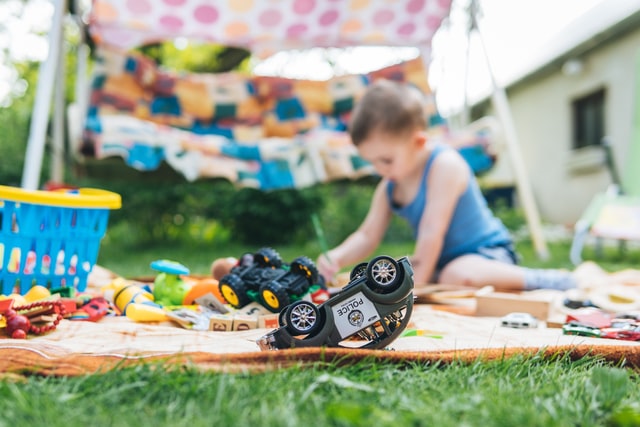
Plan kid-friendly activities

A garden party needs to serve different purposes for adults and children. Children may want to enjoy the day and play games. On the other hand, adults would prefer a quiet time to relax in the sun. So, it can be a good idea to plan some games for the younger ones. Beware, though. If you pick elaborate games or complex activities, an adult will need to be in charge. Instead, simplify activities and bring out toys for kids to play together.


Don’t forget sunscreen protection

The sun shines all the time, even on a cloudy day. More importantly, you don’t need to wait for the summer heat to wear sunscreen protection. According to skin health experts, it takes approximately 20 minutes for your unprotected skin to experience damage, even if you can’t see it. So, if you are planning on enjoying a day outside with your family, it’s essential to encourage everyone to protect their skin. Here are simple tips to remember:

  • Don’t wait until the last minute to apply sunscreen. You need to put it on at least 15 minutes before heading outside.
  • Keep sunscreen lotion accessible when you are in the garden. You will need to apply it more than once during the day.
  • Know, a t-shirt doesn’t provide enough coverup. You can get sun exposure through thin clothes. So better be safe than sorry!
Encourage everyone to bring something

If you are inviting friends and relatives to your garden party, there is no reason for you to prepare everything. You can delegate tasks between yourself. Nobody needs to cook all the dishes alone. Instead, it’s the right weather to throw a BBQ party. So, why not ask your guests to bring each some meat, fish, or vegetables, so there is plenty for everyone?

Alternatively, you can focus on simple, time-saving tasks, such as bringing disposable plates and glasses, soft drinks, or creating a party playlist. Everyone can join in to create a fun and enjoyable day. To avoid confusion, it can be a good idea to share a list of things you need so your guests can decide what to bring!


It’s time to reclaim the outdoor space and turn your backyard into a party venue! Whether you decide to throw a garden party to celebrate a birthday or to welcome spring, it is entirely up to you!

For more on this topic, check out the full Party Planning collection



Filed Under: Party Planning

Safe Driving Tips for All of Your Family’s Vehicles

safe driving tips family

Safe Driving Tips for All of Your Family’s Vehicles

Transportation can often be a challenge for families. Some adults may require their own individual car. Big families may need a van to transport children. And other families may want to add some excitement into their lives with a motorcycle. With all of these different vehicles in play, some members of the family may not be as familiar with one vehicle type compared to others. And there may come a time when they have to operate a vehicle they do not feel as comfortable driving.

While it may seem like you can drive all vehicles the same way, there are certain things to keep in mind depending on the size and type of vehicle. We’re here to provide you with all of the necessary tips and tricks for driving the cars you may have in your family so that you can get behind the wheel with confidence.


For more on this topic, check out the full Travel Tips collection


Safety Tips for Sedans/Coupes

A sedan or coupe is the most standard vehicle found on the market and is often the first type of vehicle that people learn to drive. There aren’t many surprises when it comes to sedans or coupes. But there are still some things to keep in mind across makes and models.

Just because two sedans fall into the same category, it doesn’t mean they are built exactly the same. Some may be longer than others, while other sedans are wider and take up more space within driving lanes and parking spots. If you’re driving a sedan or coupe that is new to your family, take the time to evaluate how its size differs from what you may have been driving before. Practice driving in your local neighborhood before taking to any busy roads so you can get an idea of how your car takes turns, accelerates, and handles overall.

[Read: The Ultimate Guide To Traveling With Kids]

Safety Tips for Driving Pickup Trucks/Family Vans

Pickup trucks and vans are great for bigger families that need to carry large loads or big groups of children. These vehicles often drive differently from smaller cars, however, and must be driven with careful discretion towards these differences.

Adjusting your turns is standard for larger vehicles like trucks and vans, but it’s also important to ensure you’re making an effort to brake earlier than you might in smaller vehicles. Depending on the size of your vehicle, it may not stop or slow as quickly as a sedan or coupe, for example, due to the additional weight and resulting momentum as you drive. By braking a few seconds earlier than you usually do, you’ll prevent any damage to you and your vehicle.

An important thing you should know is that van or truck accidents are not so common but in case they happen, they tend to be serious and complicated. You should always have an experienced truck accident attorney kept in mind, who will be by your side in any such situation. These lawyers have the experience and knowledge to ensure that you receive the compensation you deserve. They can help you navigate the insurance claims process, and they can also help you recover damages for pain and suffering.


Safety Tips for Driving Motorcycles

Driving a motorcycle comes with many thrills, but it also comes with several risks. While you may be in control at all times, it’s often other drivers who you need to concentrate on the most. When driving a motorcycle, it’s best to keep a healthy following distance and only turn out of stop and yield signs when you have ample room. This will give other motorists enough time to see you, brake, and avoid catastrophic accidents.

Because driving a motorcycle is so dangerous, another way to ensure your personal protection is to become familiar with a motorcycle accident lawyer. Philadelphia and other cities can be dangerous to ride a motorcycle in. But that doesn’t mean you should have to sacrifice the enjoyment that comes with it. If something ever happens while you’re on the road, an experienced lawyer should be able to get you the help you need to make a full financial recovery.


Family Vehicle Conclusion

A vehicle of some kind is an absolute necessity for most families. From transporting children to picking up groceries, it is important that you have a car that will meet your needs and keep you safe. These tips we provided will help you do just that!


For more on this topic, check out the full Travel Tips collection


About the Author

Jenn Walker is a freelance writer, blogger, dog-enthusiast, and avid beachgoer operating out of Southern New Jersey. She writes for EliteFacial Plastic Surgery, a renowned center for rhinoplasty in Tampa.


safe driving tips family

Filed Under: Travel Tips

Help Teens Have Better Sportsmanship 

Help Teens Have Better Sportsmanship graphic with overhead picture of sports equipment on turf

Sports are brilliant. Physical exercise, socialization, improved vision, healthier weight, increased self-confidence… There’s almost no limit to sports’ benefits way beyond running around a field or pitch. But while sports are important to young people, it’s vital to teach your kids how to lose and win well. It’s also crucial to teach our young athletes to have better sportsmanship.

Good sportsmanship can be a tricky term to define. But we all understand when someone is or is not a good sport. Help your teenagers win without boasting. Respect their opponents and teammates. And, lose gracefully so they can grow up well-rounded and more capable of dealing with disappointment (and triumphs).

Remember, in life, sometimes we win, sometimes we lose, and sometimes keeping score isn’t the point. By reinforcing these values in a game, your kids will be prepared for everything the future has in store.


For more on this topic, check out the full Sports collection


Lead by Example

Although they probably won’t admit it, teenagers are heavily influenced by the adults they know and respect. This includes their parents, teachers, and sports coach. With this in mind, it’s vital to keep your own competitiveness under control when it comes to the next high school soccer game!

If you think the ref made a mistake, keep it to yourself. If you’re upset that another kid seemed to trip yours, take yourself away from the bleachers for 5. Cheer for your kid’s team, but don’t badmouth their opponents. Exercising respect and control is the best way to teach your kids how to be good sports.

Dr. Joel Fish, author of 101 Ways to Be a Terrific Sports Parent, reminds parents to emphasize things in their control and to not worry too much about what ESPN is saying. Teach your kid “the importance of playing by the rules, shaking the hands of the opponent, and helping him up if he falls.” Also, remind them that even if the other team isn’t displaying good sportsmanship, that doesn’t mean they shouldn’t be the better person.

Practicing at home with your kids can also help demonstrate good sportsmanship in your own backyard. Try picking up a Lacrosse Rebounder (like the ones from Victorem), a soccer goal, or a basketball hoop and get out with your teen. They’ll appreciate the time spent with you and learn a lot from how you showcase sportsmanship (even if they don’t say it; they are a teenager after all!).

[Read: 10 Things Parents Can Do To Help Their Athlete]


Meet the Coach

No matter what sport your kid is interested in, it’s always worth meeting the coach to determine what principles they value and what they’ll be teaching your kids.

The following three questions are a great way to establish what sort of coach you’re getting. There isn’t necessarily a right answer, but it’s a good starting point to ensure you find a coach who will respect your priorities.

  1. How will they teach sportsmanship? Look for how they deal with trash-talking, how they respect opponents, and their policies on keeping score.
  2. How is playing time determined? Are players picked based on skill, seniority, how hard they work in practice, or is it divided evenly amongst the players?
  3. What are the team goals? Is the coach totally focused on winning, or are they there to introduce new players to the sport? Are they focused on physical activity? Is it all about social interaction? What are the team’s priorities?

[Read: What You Need to Know Before Registration]


Personalities Matter

Generally, kids can be broken down into four main personality types, with one dominating feature. Figuring out what personality type your teen fits into will make communicating good sportsmanship values a little easier.

Emotional

Emotional personality types may take losing as a personal hit. So you’ll want to focus on teaching them strategies for calming down and lightening up. Counting to 10, deep breaths, and taking a brisk walk can help improve an emotional type’s sportsmanship.

Conscientious

This personality type strives for perfection. While there’s nothing wrong with that, watch it doesn’t progress into perfectionism. Help your conscientious teens focus on “areas for improvement” rather than “things they did badly.”

Aggressive

Aggressive kids need clear consequences and boundaries. Give them clear expectations of what is/isn’t good sportsmanship and follow through if rules are broken.

Social

Social types are heavily influenced by their peers, which can be used to your advantage in sportsmanship. Stress how essential it is to cooperate with teammates and brainstorm ways team members can help each other when someone feels down or frustrated.


Team Sports Matter

There are so many wonderful ways of getting your children involved in sports, and teaching them about the important elements that play a role in this. A big part of the parenting process is to make sure you teach your children about how to have better sportsmanship. This is one of the best ways of being able to give your children valuable life lessons, and this is something you should make the most of right now. You need to focus on the best ways of giving your children these lessons, and team sports are an excellent way of being able to achieve this.

So, you need to come up with some of the best ways of helping you work on this moving forward. Boarding school sports and weekend team sports are excellent ways of being able to achieve and improve your child’s teamwork skills. There are so many factors to keep in mind when you are going to be able to help your teenager learn about teamwork, sports, and how they can take these lessons forward to help them grow and thrive in later life.


Benefits of Teaching Better Sportsmanship

Tailoring the focus to your kids’ personality will massively help them figure out the benefits of good sportsmanship. It will also enable them to grow into well-rounded adults ready to deal with the triumphs and challenges of daily life.

Remember, you won’t always get what you want, and sometimes you’ll be disappointed in the outcome. But that doesn’t mean you should mistreat other people or take it out on your ‘opponent’ when they out-perform you. Instead, focus on what they can learn from others and the additional benefits of sport – not just winning or losing.


For more on this topic, check out the full Sports collection


Help Teens Have Better Sportsmanship graphic with overhead picture of sports equipment on turf

Filed Under: Sports

Helping Your Children Adjust to a New Start: 5 Tactics To Try

April 5, 2022

If you are moving somewhere new, or you are looking to make certain changes in your family’s life, it can be a big challenge for your children. No matter our intentions, it can be difficult to ensure our children are able to deal with changes as effectively. Below we will show you some approaches that can make a big difference when you’re trying to make the most of a new start.


For more on this topic, check out the full Moving Tips collection


Planning and Preparation

It’s important to speak to your child about goals and expectations. But you should also think about doing things step-by-step. Your children can help you in so many ways. For example, if you are moving, they can help you pick out overseas removalists and have a hand in the process. Rather than making everything a mystery for them by doing everything yourself, you can help your children to demystify the changes, which also helps you in the process as you have less to do.


Giving Them Enough Time To Come Around to the Change

Making big changes will always take a period of adjustment. Helping your children figure out how to make the most of the situation is crucial. By letting them know as soon as possible what is going on, your children can learn more about the changes. So if you are moving somewhere else, giving them as much information about the place as possible and letting them get to grips with it in their own time is a good way to help them through the process.

Providing Positivity

It’s always better to have a positive frame of mind when you are undergoing major changes. While positivity can be almost annoying to a certain extent, when you are making a big change in your life, embracing the feelings of being upbeat and showing your children you have faith in their abilities to overcome these obstacles is always going to benefit them. You can always ask them to exercise their mindset by speaking about the positives of a certain situation. There will be times when they won’t want to speak to you about what is going on. But as long as you plant the seeds and highlight certain things that really would capture their imagination is going to help them come around to the idea.


Give Your Child Breaks

Giving your children more opportunities to relax and play helps them to consolidate certain thoughts. Rather than bombarding them with information about a new school or their new home. You’ve got to gauge the situation and make sure that they have enough time to consolidate their thoughts.


Having Patience

If you want to benefit from a new start, the fact is that positive changes are not going to happen overnight. What you can do, as a parent, is become responsive and available if they need a sounding board. Rather than being a helicopter parent or trying to fix everything, take a step back and let them know you are there for them. It’s not easy but a new start should be a positive thing. When it comes to our children, they may need a bit more time.


For more on this topic, check out the full Moving Tips collection


Filed Under: Moving Tips

Tips For Lazy Chefs: How To Make Cooking More Enjoyable And Your Food Yummier

No matter whether you are a foodie or not, you will likely cook most meals for yourself. If you are not a keen chef, then you might lack the interest in making your meals fun and enjoyable. But it doesn’t matter if you can afford organic foods, or wish to keep your food costs low. There are so many simple ways that lazy cooks can make their meals tastier and on budget.

Follow these tips below to find out how to rediscover your love for cooking and how to elevate your meals. Especially if you are lazy in the kitchen!


For more on this topic, check out the full Recipes collection


Utilize Sauces

If you are someone that often feels unsatisfied after a meal, then it might be because it lacks flavor. If you do not utilize sauces, then your food is likely not going to be as yummy and fulfilling as you had hoped for.

And, if you think about restaurant food, it is almost always satisfying. The reason for this is that chefs always utilize flavors through their sauces.

Therefore, it is a great idea to start utilizing sauces in your own simple dishes to make them more enjoyable. For instance, you could try this shrimp with garlic sauce recipe to elevate your dish. Instead of serving plain and unsatisfying meals, you can jazz them up and make them much more enjoyable by adding a simple sauce.

Invite Over Some Guests

Should you be someone that dislikes cooking or sourcing ingredients and ideas for meals, then why not ask for some company? You could ask your partner, a friend, or your children to accompany you to the grocery store. Help you find new recipes. And perhaps even participate with the cooking itself.

Having company will help you socialize while cooking, and also take your mind off of the fact that you feel it is boring. Likewise, you could also cook for someone instead of yourself. If you mostly cook for yourself, then cooking for someone else can make it more challenging and therefore, more fun.


Take time with batches

If you are someone that lacks the interest in cooking each meal from scratch, then it might make sense to prepare your meals ahead of time. That way, you can choose a good time where you can focus and enjoy the cooking. Then, you can eat the delicious pre-prepared meals throughout the week.

Cooking in batches is a great idea if you lack the time or the excitement for cooking. You could spend an hour or two at the weekend, when you are most relaxed, exploring new recipes and utilizing more flavors. Then, you can cook in batches so that you can have yummy and satisfying meals to feed yourself with throughout the week.


Lazy chefs have so many useful ways to make cooking more enjoyable. You simply need to cook at the right time and cook in a way that suits you. You don’t have to follow the traditional ways of sourcing, preparing, or cooking foods. Instead, you could grow your own produce. Try cooking with friends. And explore unique recipes to find a new sense of fun in cooking food.


For more on this topic, check out the full Recipes collection


Filed Under: Recipes

Baby’s First Year: A Comprehensive Feeding Guide

Baby’s First Year: A Comprehensive Feeding Guide


As a new parent, your baby’s safety and well-being are your top priority. Whether this is your first child or your tenth, it’s easy to feel overwhelmed trying to ensure they are healthy and receive everything they need to thrive.

Some of the top questions parents have revolve around feeding their infant. Knowing whether to breastfeed or use formula. When to introduce solid foods. And what foods are safe for your baby’s age can be confusing.

That’s why this comprehensive guide will tell you everything you need to know about feeding your baby for the first year, so you don’t have to worry any longer!


For more on this topic, check out the full Baby’s First Year collection


Breastfeeding Vs. Formula

Breastfeeding

There’s no doubt that the breast is best when it comes to feeding your baby! Breastmilk offers infants complete and total nutrition, allowing them to receive the nutrients they need to nourish their rapidly growing bodies. From the moment your little one is born, allow them to eat every two to three hours as their hunger cues demand.

To ensure your baby ingests the nutrient-rich hindmilk, alternate which breast you begin feeding them with, allowing them to completely empty it before switching them to the other side. In the first month, don’t worry about setting a feeding schedule since your infant is adjusting to life in the outside world and growing rapidly. A schedule isn’t necessary as long as they’re eating a full meal at each feeding and not snacking.

If you’re pumping, store it in a container made explicitly for breastmilk like these, and keep it frozen until ready for use. Never microwave your milk; instead, thaw it in warm water, using an appropriate temperature guideline to ensure safety.


Formula Feeding

For various reasons, many women find they cannot breastfeed their babies. Although breastmilk is the ideal choice, many European organic baby formulas offers complete nutrition with all the vitamins they need. Your baby’s age determines how much formula they need, so always ensure you double-check the bottle to ensure they receive the correct amount. Here is a general guideline for how much formula a typical infant needs (as always, consult with your pediatrician with any questions you may have.)

Baby’s Age

Formula Amount Per Feeding Feedings Per Hour
1 Month 2 to 4 Ounces Six To Eight
2 Months 5 to 6 Ounces Five To Six
Three To Five Months 6 To 7 Ounces

Five To Six

[Read: Fed is Best – Breastfeeding versus Formula Feeding]

Solid Food

Four To Six Months

Once your baby reaches four to six months old, you may introduce solid food into their diet. You should continue predominately feeding them breastmilk or formula such as Holle Stage 1, but by four months, their digestive tracts have developed enough to begin introducing select solid foods. You’ll know they’re ready for stage one foods when they start showing interest in eating more than simply milk.

Ensure everything is thoroughly pureed with no chunks to guard against choking. Suitable options include:

  • Peas
  • Sweet Potato
  • Butternut Squash
  • Green Beans
  • Apples
  • Peaches
  • Bananas
  • Liquid Oat Or Barley Cereal (avoid rice cereal)


Six To Eight Months

By six to eight months, your baby can begin eating meat if you choose to include it in their diet. As with the previous months, most foods should continue to be in pureed form. However, once they begin crawling, they may start eating easily dissolvable foods designed specifically for infants.

Foods to introduce at this age include pureed:

  • Apricot
  • Pumpkin
  • Plum
  • Carrots
  • Peas
  • Turkey
  • Chicken
  • Tofu


Eight To Ten Months

By eight to ten months, your little one is on the go, crawling around and burning a ton of calories. Don’t be surprised if their appetite increases as they gain mobility and begin exploring the world around them. Adding more substantial foods into their diets along with breastmilk and formula can help keep them energized and ready to see what the world is all about. By ten months, you can begin introducing solids cut into small pieces; just ensure the foods are soft enough for them to chew thoroughly with their gums. Foods to introduce at this age include:

  • Melon
  • Blueberries
  • Eggplant
  • Leeks
  • Asparagus
  • Broccoli
  • Beef
  • Eggs
  • Pork
  • Flax
  • Pasta
  • Quinoa
  • Millet
  • Yogurt
  • Cottage Cheese


Ten To Twelve Months

Your baby has grown by leaps and bounds by the end of the first year. They may be standing and trying to take their first steps, saying one or two words (mostly babbling), and getting their first teeth. Their digestive systems also developed impressively from when they were born, allowing them to eat more solid foods. Continue breastfeeding and offering formula for the remainder of their first year to ensure they receive all the nutrients their little bodies need to continue developing. Foods to introduce at this age include:

  • Strawberries
  • Citrus
  • Lentils
  • Beans
  • Tomatoes
  • Spinach
  • Corn
  • Fish (consult with your pediatrician)
  • Cow’s Milk


Conclusion for Baby’s First Year: A Comprehensive Feeding Guide

The first year of your little one’s life is full of exciting milestones and adventures. Ensuring they receive the right food at the proper time doesn’t have to be a guessing game; this guide can give you the confidence you need to feed your baby the new foods they (may or may not) love!


For more on this topic, check out the full Baby’s First Year collection


Filed Under: Baby's First Year

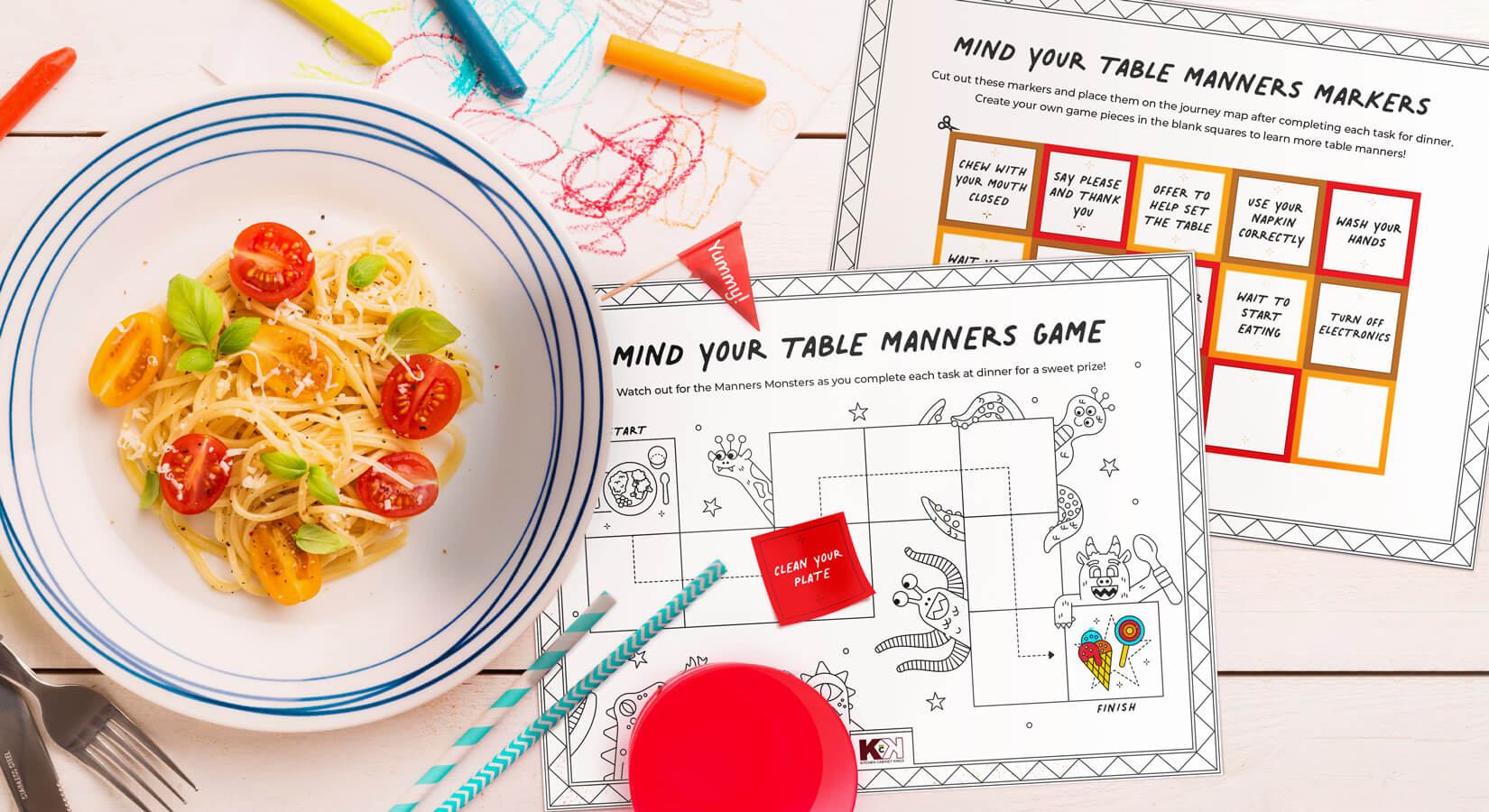
Free Printable Placemats to Teach Table Manners

free printable placemats for kids

Free Printable Placemats to Teach Table Manners

Teaching your child good manners is a lifelong skill that can help them with any social situation in the future. It also makes mealtime much more enjoyable when your little ones learn to politely stay in their seat and know how to engage in fun conversations.

Since table manners aren’t an inherent trait, it can be hard to determine which ones are most important. Here are just a few to help your child master table etiquette:

  • Chew with your mouth closed
  • Say please and thank you
  • Offer to help set the table 
  • Don’t criticize the food

These free printable placemats from Kitchen Cabinet Kings feature a fun “mind your table manners” game to encourage good manners at the dinner table. Don’t forget to show your kids patience throughout the process and motivate them along the way. 


Free Printable Placemats to Teach Table Manners

free printable placemats mockup


For more on this topic, check out the full Child Behavior collection

free printable placemats for kids

Filed Under: Child Behavior

Essential Remodeling Projects for People With Disabilities

March 23, 2022

A house remodeling is a big event, no matter the circumstances. Whether you’re renovating a house you just bought, or the place you’re currently living in, it takes an abundance of time, money, patience, and effort. However, the value of comfort, which people usually aim for during the remodels, is especially important when working on a house for those living with impairments or disabilities. It’s essential for both them and their families, to have the appropriate aids and support they need in daily life.

Even with the same root cause, two people can experience different limitations. So there’s no one-size-fits-all solution that will work for every remodel. Fortunately, there’s a variety of resources out there that can help you during the planning process. For instance, it’s worth focusing your efforts on a few key areas. These include the kitchen, bathroom, as well as entrances and stairways.

If you ever need help visualizing something, don’t try to eye-ball it. Use it to see your plans come to life. The article below will guide you through the most common home modifications for disabled needs. Continue reading and learn more.


For more helpful resources, check out the full Home Safety collection


Kitchen Renovations

The kitchen is the most significant area in the house. It’s where you gather with your family, friends, and loved ones, to prepare meals and share stories. Therefore, kitchen remodels of people with disabilities should be well-thought-out. This way everyone in the household can feel comfortable and safe.

Many things can be done to make the kitchen safe and accessible for people with disabilities. When planning out the changes, you might be interested in trying out 3D renderings. They can really come in handy if a layout change is involved in your project. Both the layout and design of your kitchen should allow for easy access.

You’ll need to ensure that there’s enough space for a wheelchair. It might also be useful to leave a furniture-free area designated for getting in and out of it. To make the kitchen more accessible, you should aim to have plenty of space around the work surfaces such as the counters. Consider installing an island that’s not mounted in place. But one with wheels instead can be moved around the kitchen easily when necessary.


Bathroom Renovations

Bathrooms are also an important part of house remodels. When disabled people are living in the house, consider adapting bathrooms to fit their needs. For instance, if your existing bathroom isn’t big, but there’s a tub and shower in there. Then it might be worth getting rid of the tub for the sake of building a wide walk-in shower that can fit more than one person and a sturdy shower chair. You can also widen doorway thresholds so a person that’s using a wheelchair can access the bathroom without someone else’s assistance.

Remember about adding grab bars near sinks, toilets, and showers to help users maintain balance and prevent falls. If you decide to install grab bars, make sure that they are securely mounted. If you have a bigger bathroom, you can think about ripping out the old sink and installing one that has space under it so people in wheelchairs can wash hands and teeth without assistance. The storage cabinets can be located on the sides and be accessible to everyone. You can also reduce a fall risk by getting a bidet converter kit.

Stairway Accessibility

Another aspect that should be addressed during house remodels for disabled needs is stairways. If you live in a house that’s elevated, you might need to build an exterior ramp for wheelchair accessibility. The costs of building such a ramp vary and can greatly depend on the materials you use, the size of the project, etc.

Ripping out the whole staircase inside your home and replacing it with an elevator might not be possible. That’s why you should look into stairlifts which typically don’t require any major remodeling at all and are a more budget-friendly option. This kind of lift is mounted onto the stairlift track which runs the length of the staircase. It is possible to buy a straight stair lift as a do-it-yourself installation. But considering the fact that you might need to hire an electrician, it might be better to leave such a project for professionals.


Entrances

When it comes to entrances, one of the most popular modifications that allow for greater accessibility is changing the way entrance doors open. In most houses, they open inwards, which can leave very little space for a person using a mobility aid to come inside. When the door opens outwards, there’s plenty of room to enter even when someone’s in a wheelchair.

While on the remodeling journey, you can also take a closer look at your floors. Consider investing in surfaces that are non-slippery and easy to maintain. Wood flooring, such as engineered wood and solid wood, provides a great surface for wheelchair users. With a hard surface, this allows for smooth and comfortable movability, and helps avoid any restrictions and slipping. You might install it only in the entrance and hallways, or consider replacing them in the whole house. Everything depends on your needs and the budget.


Conclusion

As you can see, there are plenty of changes you can make to your house during the renovation process, so it can be more comfortable for people with disabilities. Even the simplest additions, such as installing grab bars or investing in a kitchen island that you can move around can improve the quality and comfort of a disabled person’s life.

Ditching the bathtub for the sake of a walk-in shower can also be a great idea, and, if your budget allows it, consider installing a stairlift inside your house and a wheelchair ramp outside for improved accessibility.


For more helpful resources, check out the full Home Safety collection


Filed Under: Home Safety

How To Protect Your Children With An Estate Plan

March 23, 2022

Thinking of the future can be both exciting and sobering. The realization of your mortality quickly comes into view when you see your kids growing up. Of course you know you’ll do anything to secure your loved ones’ future, but if you are stuck on how exactly to do that, this article will help you navigate an estate plan and more!



As parents, we take many measures over the years to make sure our kids are safe and secure. From baby-proofing in their early stages of life, to moving to a more peaceful neighborhood that they can run around in. This becomes doubly challenging if one of your kids has special needs and requires more resources to keep up with their lifestyle. And, if you’re looking for another way to ensure their lives should you pass away, then it’s high time to create an estate plan. In essence, an estate plan is a legal document that outlines your wishes in case of incapacitation or untimely death.

If you’ve been stalling for a long time for reasons only you know, here’s how to protect your children with an estate plan.


For more helpful resources, check out the full Home Safety collection


Appoint Your Agent With Durable Financial Powers Of Attorney

One of the first things you should do to protect your children is to designate your agent with durable financial powers of attorney. Your agent is a person you assign who makes financial decisions on your behalf. The person who will fulfill this role must be someone you trust to take care of your financial responsibilities should you become incapacitated.

It’s best to consult with professional estate planners like the Johnson Law Group, LLC  in granting these powers to someone who is consistent in making sound judgments and shares your financial philosophy.

The role of this agent can be as broad or as limited as you deem necessary.  You can even establish restrictions and conditions on how and when your agent can use your assets. Some typical responsibilities of an agent with durable financial powers of attorney include:

  • Using your assets to cover daily expenses for you and your family
  • Filing and paying your taxes
  • Managing your retirement accounts
  • Handling transactions with your banks or credit unions
  • Transferring properties to a created trust

Name Your Children As Secondary Beneficiaries

Another logical way to protect your children using an estate plan is to make them secondary beneficiaries. Designating them after your primary beneficiary ensures that your assets, life insurance, and retirement savings will be passed on to your children should an unlikely event happen where you and your partner pass away at the same time.

One important thing to note is that children below the ‘majority age,’ which is 18 in most states, won’t be able to cash in on your insurance. And they will need a court-appointed guardian in case your estate’s primary beneficiary is also unavailable. This is why it’s essential to have some people short-listed to become possible guardians of your children.


Add A Guardian For Your Children In Your Will

As mentioned above, having a guardian is very important for the security and safety of your children. In the unlikely chance you and your spouse become disabled or, worse, pass away, then your children will benefit from you having all of this figured out ahead of time for them. Typically, a family member becomes the top-of-mind option when selecting a guardian. However, it may be better to choose someone based on certain factors first before defaulting to a family member.

A guardian should be someone who:

  • Agrees and fully commits to the guardianship
  • Shares the same values and priorities you have in raising your kids
  • Capable of providing safe and stable living conditions for your children
  • Have sound judgment and are physically capable of parenting your kids
  • Has a good relationship and is respected by your kids


Draft Your Living Will

Drafting a living will or advance healthcare directive as early as possible is another pre-emptive action you can take before anything unfortunate happens. Having healthcare arrangements appropriate for your family’s lifestyle and needs are good pre-emptive actions you can take to protect your kids.

A living will is a legal tool that outlines instructions on what to do in the unfortunate event you become unable to make sound decisions due to incapacitation. Having a living will in place lifts the burden of making life-changing or life-prolonging decisions by your children. Examples of directives found in living wills are ‘do not resuscitate (DNR) or ‘do not intubate’ (DNI) orders to medical professionals enforced only in particular situations.

Setup A Trust With Contingencies And Limits

Setting up a trust for your children is an excellent way to protect your kids from certain taxes and probate. Another benefit of setting up a trust is to shield your family from trouble if any lawsuits are thrown at you.

Moreover, a trust gives you the power to set conditions and limits on your children when receiving their inheritance. An example is opting to disburse funds to your kids only when they reach a certain age. Or to space out trust payments to avoid any crazy and irresponsible spending.

Parents usually establish revocable living trusts so they can be changed according to their wishes before they pass away. However, for some, an irrevocable living trust suits their needs. And they agree that this type of trust can’t be changed unless under extreme situations.


A Final Word

It’s always good to remember that no two estates are the same. This is why you should tap reliable and experienced estate planning lawyers to help you come up with an estate plan that is appropriate for your family. It pays to start this process early to have peace of mind and avoid family strife and stressful legal battles for your loved ones down the road.


For more helpful resources, check out the full Home Safety collection


Filed Under: Home Safety

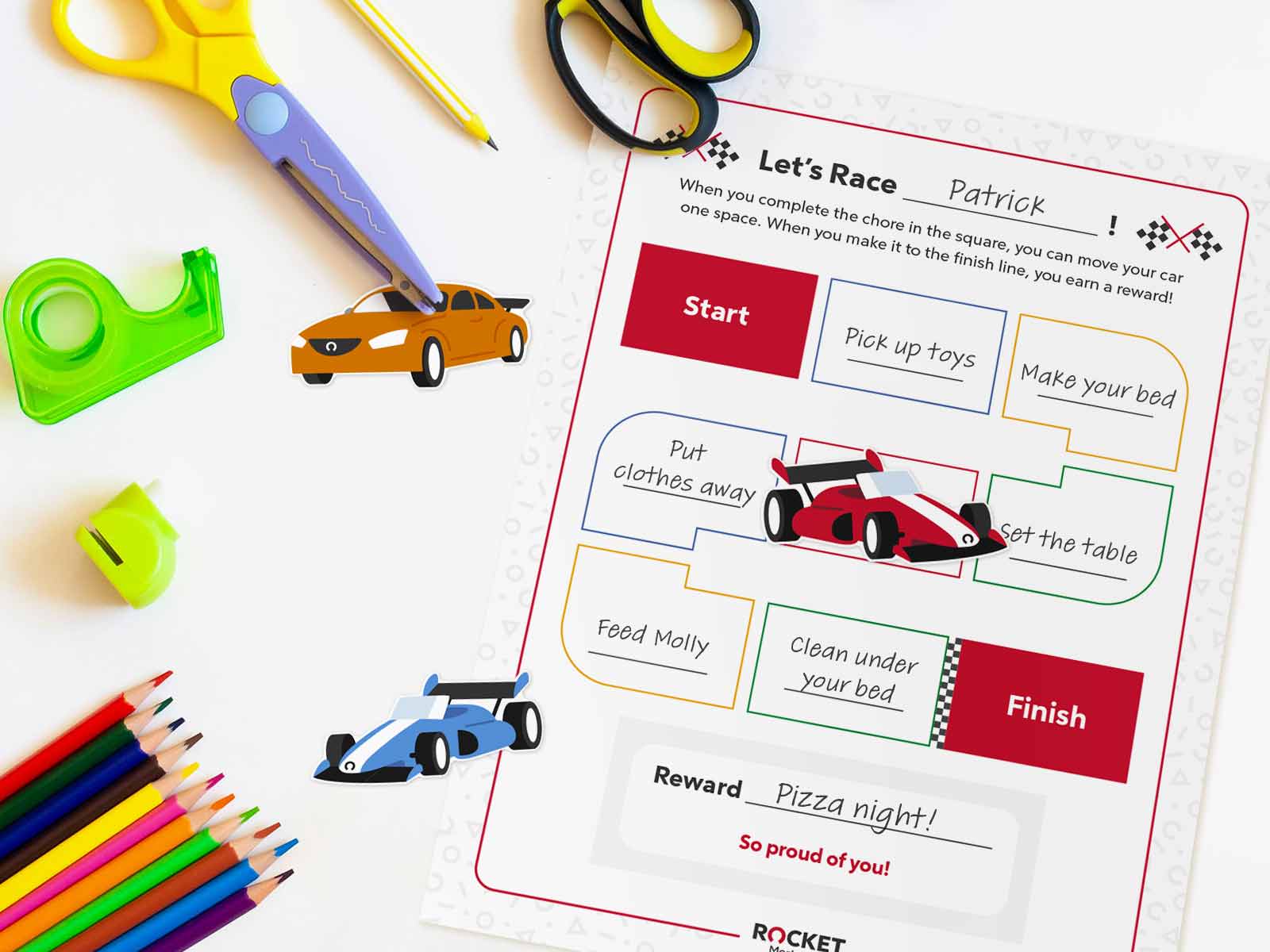
How To Involve Your Kids With Household Chores

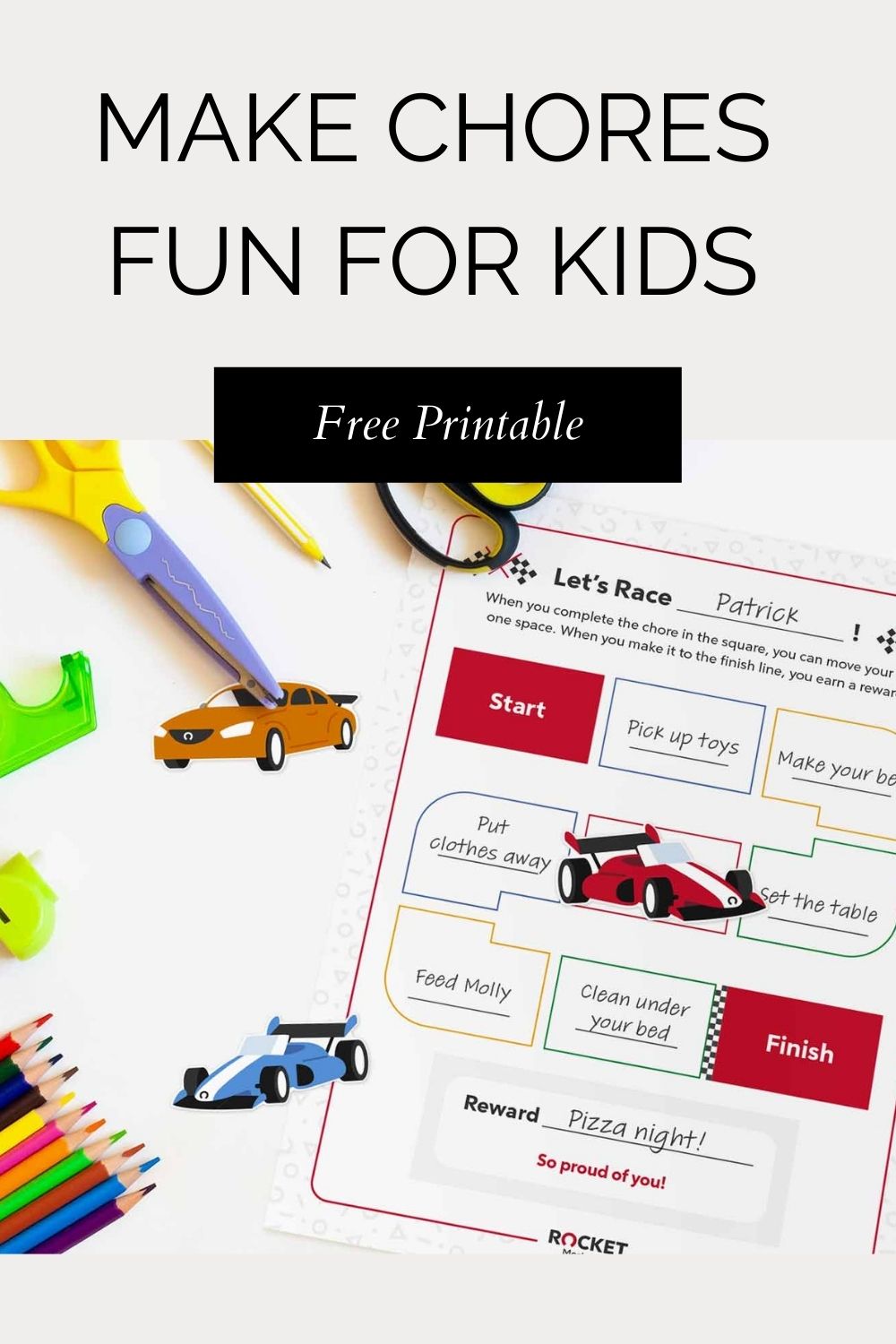
Make Chores fun for kids graphic

How To Involve Your Kids With Household Chores

It’s no secret that parenting while maintaining a household is hard, and the last thing you probably want to do is argue with your kids over chores. You may even wonder if their participation is necessary – after all, isn’t it your responsibility as the parent to take care of the household? Shouldn’t kids be allowed to just be kids?

The truth is that kids can just be kids while also having responsibilities at home. In fact, there are many benefits kids can gain from helping around the house. 

So as you prepare to tackle your spring cleaning checklist, consider the advantages of including your kids in the process.


For more on this topic, check out the full Child Behavior collection


Why Should Kids Help With Chores?

Though they may complain at first, there are plenty of reasons why children of all ages should start helping with housework. 


They Learn Responsibility

What better way to teach your kids how to be responsible than by holding them accountable for certain age-appropriate tasks? For example, younger children can practice picking up their toys or brushing their teeth before bed, while older kids can help with tasks like emptying the dishwasher or vacuuming the floors. Chores can also help kids build a strong work ethic and become more self-reliant.


Chores Teach Life Skills

Doing laundry, cooking and cleaning are all important skills your kids will need to know how to do once they leave home. When kids are required to handle school, extracurricular activities, social responsibilities and housework, they’ll quickly learn how to effectively manage their time. You’ll be setting your children up for success by encouraging these habits early on. 


It Makes Your Life Easier

Once your kids start to help with chores regularly, you’ll notice that your own workload is more manageable. This encourages your family to work as a team to get things done so that you can spend more time having fun together.


Free Printable to Make Chores Fun

chore chart for kids on table (5)


How To Make Chores Fun

You may run into some resistance from your kids when you first talk to them about doing chores. But there are ways to make chores more fun. Here are a few suggestions to get the whole family involved:

  • Use a reward chart: Implementing a reward system, like a chore chart or game, can help encourage your children to complete their tasks. Incentives could include a small allowance, special privileges or an opportunity for them to pick the next family activity. 
  • Keep it playful: Let your kids pick a few songs to listen to while they complete their tasks. Who knows – it may even turn into a friendly dance competition! Encouraging playfulness through music while doing chores can make housework much more enjoyable for everyone. 
  • Switch it up: If your child tends to get bored easily, mix things up by rotating chores every week or month. Or you might pick a larger project, like cleaning the windows, for the whole family to work on together. 
  • Express your gratitude: Remember to thank your kids for their hard work. Making them feel appreciated for their efforts can help them associate positive feelings with doing chores. 


Getting your kids involved in helping out around the house offers advantages for the whole family. Use the opportunity to not only teach them important values, but to spend quality time together and enhance your relationship.

For more on this topic, check out the full Child Behavior collection


Make Chores fun for kids graphic

Filed Under: Child Behavior

  • « Go to Previous Page
  • Page 1
  • Interim pages omitted …
  • Page 60
  • Page 61
  • Page 62
  • Page 63
  • Page 64
  • Interim pages omitted …
  • Page 134
  • Go to Next Page »

Copyright© 2026 · Brunch Pro Theme by Shay Bocks

We use cookies on our website to give you the most relevant experience by remembering your preferences and repeat visits. By clicking “Accept”, you consent to the use of ALL the cookies.
Cookie settingsCLOSE and ACCEPT
Manage consent

Privacy Overview

This website uses cookies to improve your experience while you navigate through the website. Out of these, the cookies that are categorized as necessary are stored on your browser as they are essential for the working of basic functionalities of the website. We also use third-party cookies that help us analyze and understand how you use this website. These cookies will be stored in your browser only with your consent. You also have the option to opt-out of these cookies. But opting out of some of these cookies may affect your browsing experience.
Necessary
Always Enabled
Necessary cookies are absolutely essential for the website to function properly. This category only includes cookies that ensures basic functionalities and security features of the website. These cookies do not store any personal information.
Non-necessary
Any cookies that may not be particularly necessary for the website to function and is used specifically to collect user personal data via analytics, ads, other embedded contents are termed as non-necessary cookies. It is mandatory to procure user consent prior to running these cookies on your website.
SAVE & ACCEPT